






Redefining Core Strength
For many, the goal of an abdominal workout is a visible 'six-pack'. But true core strength goes much deeper than surface-level muscles. Your core is a complex system of muscles that wraps around your entire torso, including your deep abdominals, back
muscles, glutes, and pelvic floor. This system acts like a natural corset, providing stability for your spine and pelvis. Strong core stability is crucial for good posture, balance, and preventing injuries, as it supports virtually every move you make. Unlike traditional exercises like sit-ups, which primarily target the superficial muscles, yoga focuses on engaging this entire integrated system.
The Science of the Stillness
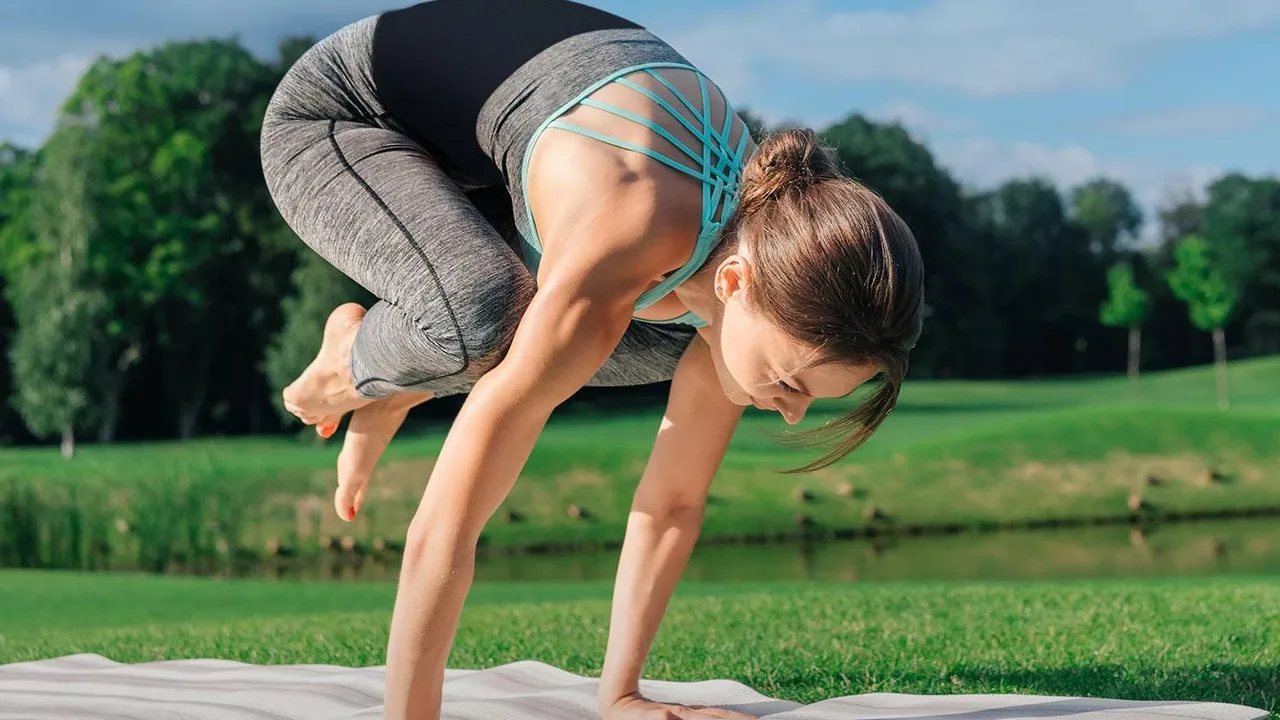
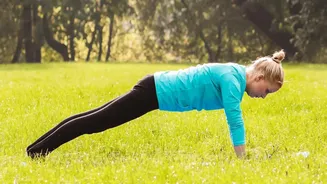
How can holding a seemingly simple pose build serious strength? The magic lies in isometric contraction. An isometric exercise involves contracting a muscle without any visible change in the joint angle or muscle length. When you hold a yoga pose like Plank, your core muscles are firing continuously to maintain the position. This sustained time under tension is incredibly effective for building muscle endurance and deep stability. This method specifically targets deep core stabilisers, such as the transverse abdominis, which are often missed in dynamic exercises. Over time, this practice not only builds strength but also enhances your body's awareness and ability to engage these muscles efficiently in daily life.
Three Foundational Poses to Hold
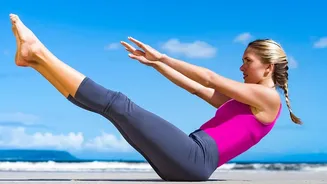
You don’t need complex sequences to start. Begin by incorporating a few key poses into your routine, focusing on form and breath. A great starting point is Plank Pose. From a hands and knees position, straighten your legs back, keeping your body in a straight line from head to heels and engaging your belly muscles. Another excellent pose is Boat Pose (Navasana). Seated on the floor, lean back, lift your feet, and balance on your sitting bones, keeping your spine straight. You can keep knees bent to start. This pose intensely engages the abdominal muscles and hip flexors. Finally, Bird-Dog Pose is fantastic for beginner-friendly stability training. On all fours, extend one arm forward and the opposite leg back, using your core to keep your spine steady and your hips level.
Your Breath is a Superpower
In yoga, the breath is just as important as the posture itself. When holding these core-focused poses, your breathing pattern can dramatically increase the engagement of your deep core muscles. Instead of taking shallow chest breaths, focus on deep, diaphragmatic breathing. As you inhale, feel your belly expand. As you exhale, actively draw your navel in toward your spine. This 'zipping up' sensation helps to further engage the transverse abdominis, your deepest core muscle. Integrating conscious breath control not only strengthens your core but also builds mental resilience, helping you stay calm and focused when the pose becomes challenging.
Building a Consistent Practice
Consistency is more important than intensity. You don't need to hold poses until you are shaking uncontrollably to see benefits. Start by holding each pose for 3-5 deep breaths, focusing on maintaining proper alignment. As you get stronger, you can gradually increase the duration. Aim to practice these poses a few times a week rather than doing one long, exhausting session. Listen to your body and avoid pushing into pain. The goal is to build strength without strain, creating a sustainable practice that supports your long-term health, improves your posture, and enhances your overall stability and movement efficiency.