



The Fragile Business of Flowers
For India's small and marginal rose farmers, the race against time begins at dawn. Once plucked, a rose is a highly perishable product. Without access to a cold chain, its life is measured in hours, not days. This creates immense pressure to sell immediately,
often flooding local markets in the morning and driving prices down. Farmers are frequently forced to accept whatever rate is offered by intermediaries to avoid a total loss. In India, post-harvest losses for flowers are estimated to be as high as 30-40%, a staggering figure driven primarily by inadequate storage and transportation infrastructure. This not only represents a massive loss of income but also a waste of the resources—water, labour, and land—invested in cultivation. For many growers, the dream of accessing more lucrative urban or export markets remains just that: a dream, blocked by the logistical nightmare of keeping their delicate product fresh.
A Sun-Powered Solution Arrives
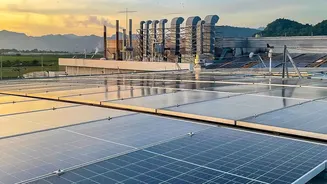
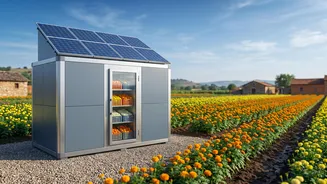
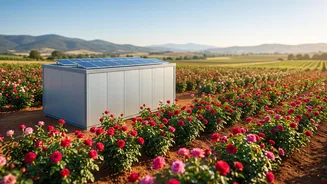
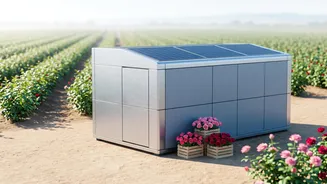
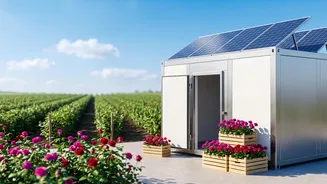
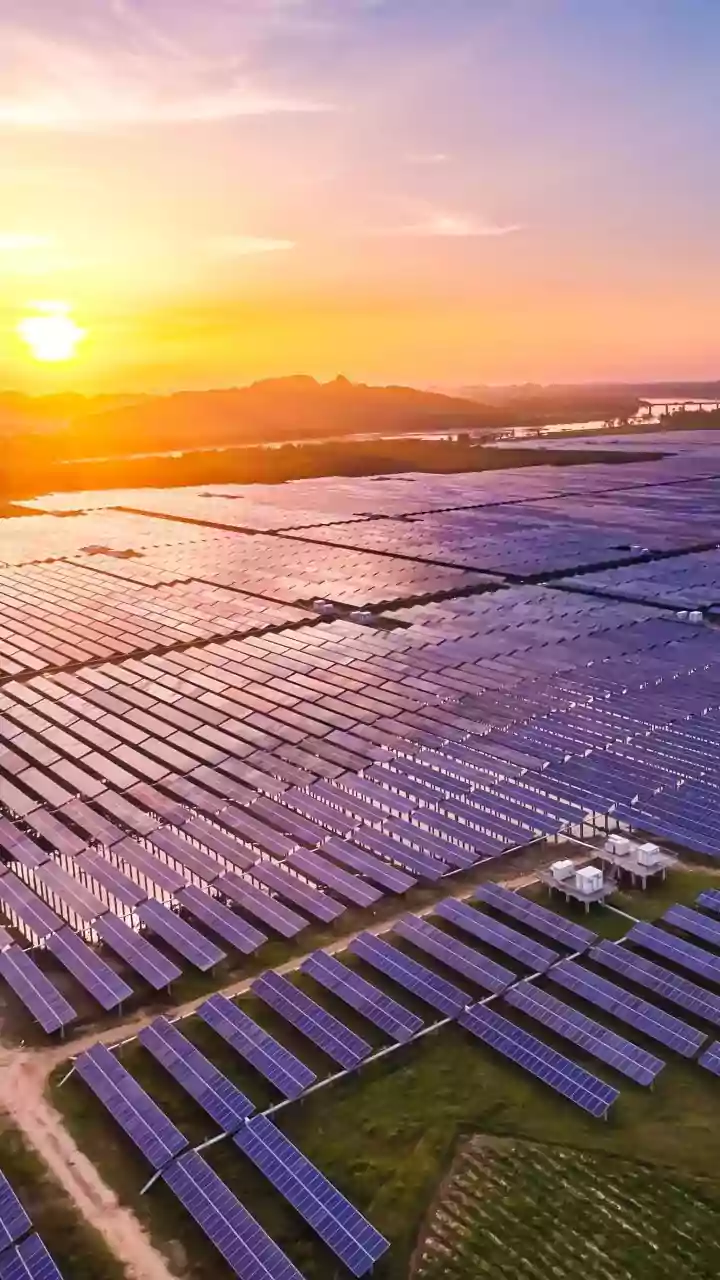
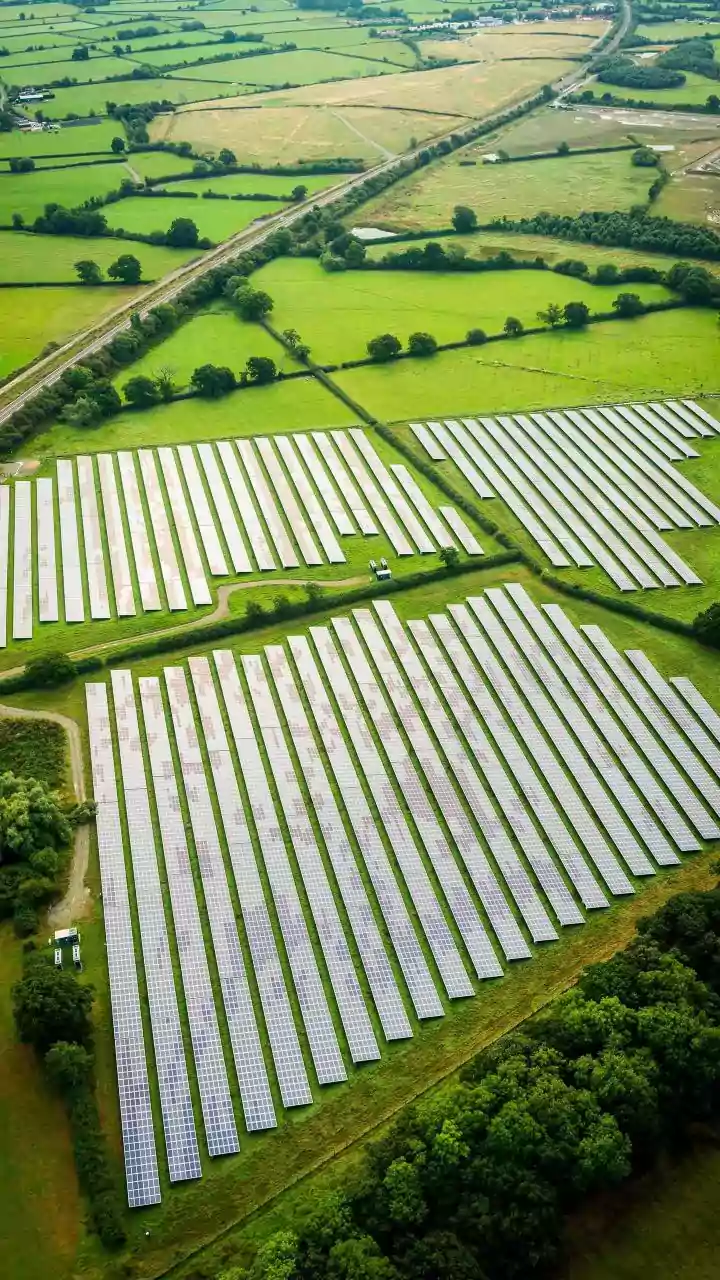
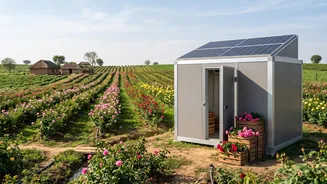
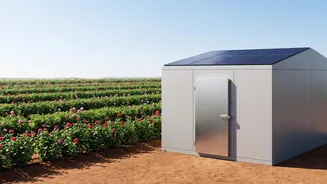
The solution is proving to be as abundant as the problem is persistent: the sun itself. Solar-powered refrigeration units are emerging as a game-changing technology for Indian agriculture. These are typically walk-in cold rooms or smaller portable units that use photovoltaic (PV) panels to generate electricity. This energy powers a refrigeration system, often using thermal energy storage or, in some cases, hybrid systems that can switch to grid electricity if needed. Crucially, many of these solutions are designed to be off-grid, making them perfect for rural areas where electricity is unreliable or non-existent. By eliminating the need for expensive diesel generators or unpredictable grid power, these solar units offer a sustainable and cost-effective way to create the cold-chain infrastructure that has long been missing at the farmgate level.
From Spoilage to Market Stability
The impact of on-farm cold storage is immediate and transformative. Instead of being forced into a distress sale within hours of harvest, rose farmers can now safely store their flowers for several days. This seemingly simple change completely alters their market power. They can wait out the morning price slump and sell later in the day, or aggregate their produce to transport it to larger city markets where prices are higher. A farmer in Karnataka, for example, can now store roses and other horticultural products, turning potential waste into reliable income. This newfound flexibility allows growers to become price-setters rather than price-takers, breaking their dependence on local middlemen and improving their profit margins significantly. The technology effectively extends the flower’s life, and with it, the farmer’s economic opportunity.
The Economics of Keeping Cool
While the initial investment for a solar cold storage unit can be significant, the long-term economics are compelling. Government subsidies and initiatives like the Mission for Integrated Development of Horticulture (MIDH) are helping to make the technology more accessible. Furthermore, Farmer Producer Organisations (FPOs) are playing a key role, creating collective models where farmers can lease space or share ownership of a unit, drastically reducing the cost for individuals. Once installed, the operational costs are extremely low, with no diesel bills and minimal maintenance. The return on investment comes from two directions: the sharp reduction in produce lost to spoilage and the ability to command higher prices by timing market entry. Reports from various projects show farmers increasing their income by 25-35% and reducing losses by over 80%.
A Blooming Opportunity for Rural India
While this innovation is solving a critical problem for rose farmers, its potential extends far beyond floriculture. The same technology is being used to preserve fruits, vegetables, milk, and other perishable goods across the country, from strawberries in Maharashtra to tomatoes in Bihar. By decentralizing the cold chain and placing it directly in the hands of rural communities, solar refrigeration empowers farmers, enhances food security, and promotes sustainable development. It creates resilience against market shocks and climate volatility, turning agricultural communities into more robust economic hubs. This technology isn't just saving flowers from wilting; it's cultivating a more prosperous and self-reliant future for a huge segment of India's agricultural workforce.