





1. Citrus Fruits: The Vitamin C Classics
When you think of immune support, Vitamin C is probably the first thing that comes to mind, and for good reason. This powerful antioxidant is crucial for the production and function of white blood cells, which are the body's primary infection fighters.
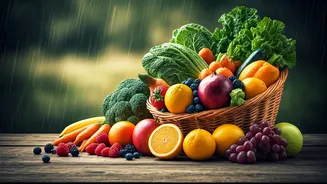
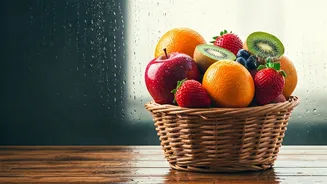
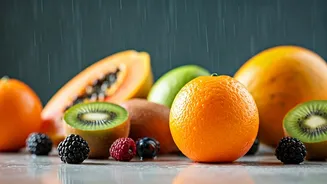
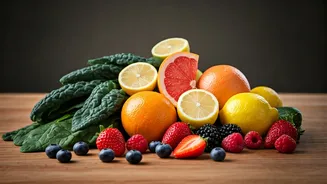
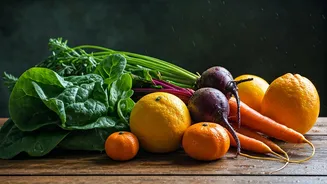
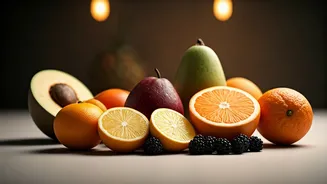
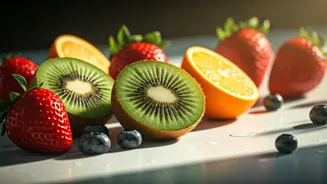
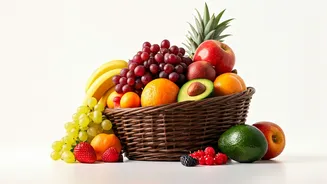
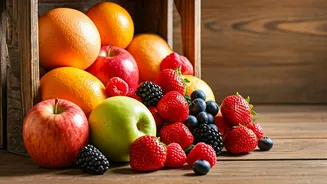
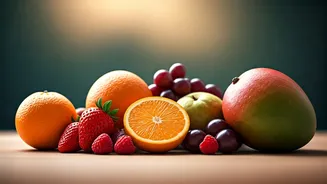
As fall and winter roll in, so does the peak season for citrus fruits like oranges, grapefruits, clementines, and lemons. A single medium orange can provide nearly all of your recommended daily Vitamin C. Enjoy them as a simple snack, squeeze fresh juice over salads for a bright dressing, or add zest to roasted vegetables for a burst of flavor. They are nature's perfectly packaged dose of sunshine during the shorter days of the year.
2. Winter Squash: A Vitamin A Powerhouse
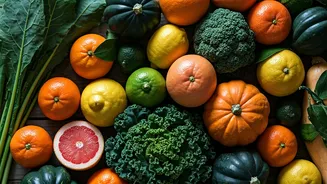
Don't let the festive decorations be the only reason you pick up a pumpkin or butternut squash. These vibrant gourds are nutritional powerhouses, loaded with beta-carotene. The body converts beta-carotene into Vitamin A, an essential nutrient that helps maintain the integrity of mucosal barriers in our respiratory tract and gut—our first line of defense against pathogens. Roasting cubes of butternut squash with a little olive oil and cinnamon brings out its natural sweetness, making it a perfect side dish. You can also puree it into a velvety soup or even sneak it into baked goods like muffins for a moist, nutrient-dense treat.
3. Dark Leafy Greens: More Than Just Salad
Kale, spinach, and Swiss chard are at their best in the cooler months. These greens are packed not only with Vitamin C but also Vitamin E and other antioxidants that help protect cells from damage. For best results, it's better to eat them lightly cooked rather than raw. A quick sauté with garlic and olive oil helps make their nutrients more bioavailable. Toss a generous handful of spinach into your morning smoothie, add chopped kale to soups and stews in the last few minutes of cooking, or make a warm Swiss chard salad with a vinaigrette dressing. It's an easy way to get a concentrated dose of vitamins and minerals.
4. Cruciferous Vegetables: Your Daily Detoxifiers
Broccoli, Brussels sprouts, and cauliflower are stars of the fall and winter produce aisle. They are rich in Vitamin C and contain compounds that support the body's natural detoxification processes. Roasting is arguably the best way to prepare them; it caramelizes their natural sugars and turns even the most ardent sprout-hater into a fan. Toss them with a little oil, salt, and pepper, and roast at a high temperature until tender and slightly crispy. They also contain sulforaphane, a compound with potent antioxidant properties that becomes more active when the vegetables are chopped or chewed.
5. Pomegranates: The Antioxidant Jewels
These brilliant red fruits, available from fall through early winter, are filled with hundreds of juicy seeds called arils. Pomegranates are exceptionally rich in a group of antioxidants called punicalagins, which have been shown to have potent anti-inflammatory effects. While getting the arils out can seem daunting, the payoff is worth it. Sprinkle them over yogurt, oatmeal, or salads for a sweet-tart crunch and a stunning visual pop. They add a touch of elegance and a significant nutritional punch to both sweet and savory dishes, providing a dose of fiber and Vitamin C along the way.
6. Garlic and Ginger: The Aromatic Defenders
While available year-round, these pungent roots feel especially comforting in cool-weather cooking. Garlic contains allicin, a compound known for its immune-supporting properties, which is released when cloves are crushed or chopped. Ginger is a go-to for soothing an upset stomach and is prized for its anti-inflammatory and antioxidant compounds, like gingerol. Use them as a flavor base for almost any savory dish—from soups and stir-fries to marinades and sauces. A warm mug of fresh ginger tea with lemon and honey isn't just a comforting ritual; it's a simple, traditional way to deliver these beneficial compounds right where they're needed.