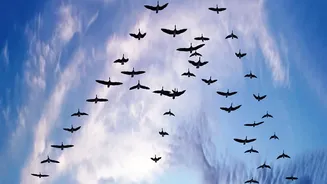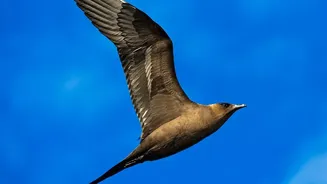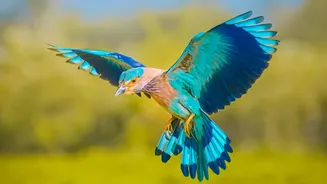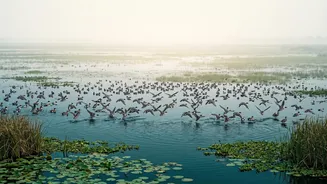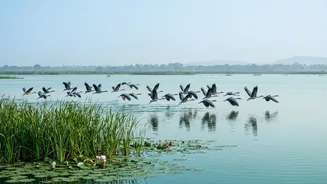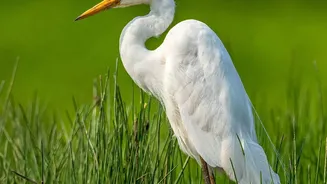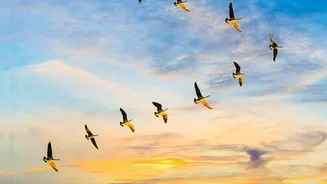




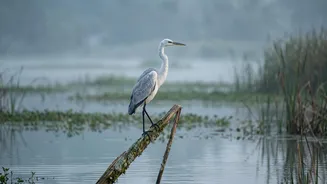
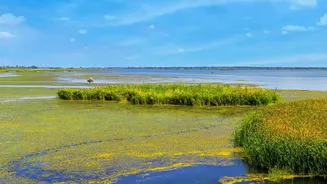
As a chill settles in the air across northern plains, India’s wetlands, lakes, and coastal shores begin to stir with the arrival of their annual guests. It’s a spectacular transformation, as vast flocks of birds complete epic journeys to make India their winter
home.
The Great Avian Odyssey
Every year, as the biting cold descends upon Siberia, Central Asia, and Europe, millions of birds embark on an arduous journey south. This mass movement is one of nature's greatest marvels. Following ancient routes known as flyways, these birds travel thousands of kilometers to escape harsh weather and find food. India, strategically positioned along the Central Asian Flyway, becomes a crucial sanctuary for over 370 of these migratory species. Birds like the Bar-headed Goose are famous for their high-altitude Himalayan crossing, a feat of endurance that continues to astonish scientists. Their arrival, typically from October through March, signals a seasonal shift and a celebration of life.
India's Welcoming Wetlands
So what makes India such an attractive winter destination? The country’s diverse geography offers a rich tapestry of habitats. From the vast brackish waters of Chilika Lake in Odisha to the freshwater marshes of Keoladeo National Park in Rajasthan, these ecosystems provide the perfect blend of temperate climate and abundant food. The extensive wetlands, river deltas, and coastal mudflats teem with fish, insects, and vegetation, offering a lifeline for weary travelers. These sites are not just temporary shelters; they are vital feeding grounds where birds rest and build up energy for their long journey back to their breeding grounds in the spring.
The Feathered Stars of Winter
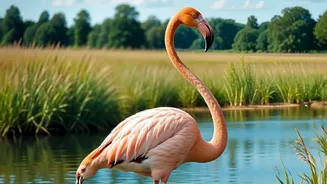
Among the hundreds of species that arrive, a few capture the imagination with their beauty and charisma. The Greater Flamingo, with its striking pink plumage, descends in large flocks upon the Rann of Kutch and the wetlands near Mumbai, turning the landscape into a vibrant canvas. The elegant Demoiselle Crane finds a unique home in the village of Khichan, Rajasthan, where local communities have famously protected and fed them for generations. Others, like the Northern Pintail, Rosy Starling, and various species of ducks and pochards, arrive in vast numbers, filling the air with their calls and creating a dynamic, ever-moving spectacle for birdwatchers and nature lovers alike. The arrival of the critically endangered Siberian Crane, once a regular at Bharatpur, is now a rare and precious event.
Where to Witness the Spectacle
For those eager to witness this phenomenon, India is dotted with worldclass birding destinations. Keoladeo National Park in Bharatpur, a UNESCO World Heritage Site, is arguably the most famous. Chilika Lake in Odisha hosts one of the largest congregations of migratory waterfowl in the world. Further north, Harike Wetland in Punjab and Pong Dam Lake in Himachal Pradesh are critical habitats for geese and ducks. Near the national capital, Sultanpur National Park in Haryana offers an accessible getaway to spot a variety of winter visitors. In the northeast, Deepor Beel in Assam is another vital stopover on the flyway.
A Fragile and Threatened Journey
This timeless migration, however, faces modern threats. Climate change is a significant concern, altering weather patterns and affecting the timing of migration. Rising temperatures can lead to a 'phenological mismatch', where birds arrive at their breeding grounds after their primary food sources have already peaked. Habitat loss due to urbanisation, pollution of water bodies, and the degradation of wetlands also puts immense pressure on these birds. Conservation efforts are underway, with India establishing numerous protected areas and enacting laws like the Wild Life (Protection) Act, 1972, to safeguard these species and their habitats. Citizen science initiatives, like the State of India's Birds report, play a crucial role in monitoring population trends and identifying species that need urgent help.