




A New Era for an Old Reserve
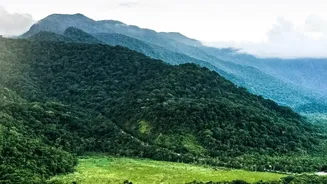
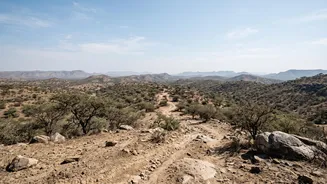
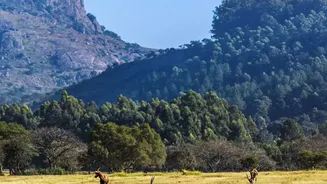
Located about 100 kilometres from the famous Gir National Park, the Barda Wildlife Sanctuary is stepping into the national spotlight. Historically a private hunting ground for the royal families of Porbandar and Jamnagar, it was declared a sanctuary in 1979.
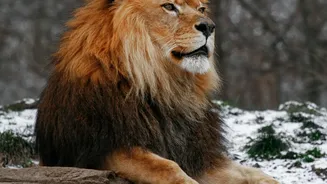
For decades, it remained a biodiverse but relatively quiet protected area, home to leopards, blue bulls (nilgai), wild boars, and a rich variety of plant life. But the sanctuary's destiny changed dramatically in January 2023, when a lone male lion naturally migrated from the overcrowded Gir landscape into Barda, a place his ancestors had not walked since 1879. This pioneering journey confirmed what conservationists had long hoped: that Barda could serve as a viable second home for India's precious Asiatic lions.
Why a Second Home for Lions?
The need for another habitat for Asiatic lions has been a pressing concern for years. Concentrating the entire wild population in the single Gir landscape left them vulnerable to potential disasters like disease outbreaks or extreme weather events. With the lion population in Gujarat growing significantly—from 674 in 2020 to a reported 891 in 2025—Gir has become crowded, leading to increased human-wildlife conflict as lions venture out in search of territory. The 'Project Lion' initiative, announced in 2020, formalized the goal of establishing new, safe habitats. Following the male lion's natural dispersal, the Gujarat Forest Department introduced five females to Barda to help establish a breeding population, officially designating it a satellite lion habitat. By late 2026, the sanctuary was home to a growing pride of 17 lions, including 11 cubs.
The Ripple Effect on Local Wildlife
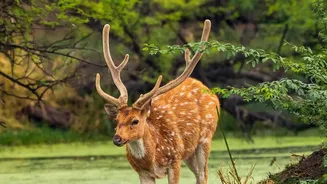
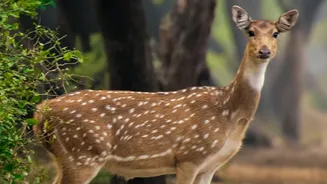
The arrival of an apex predator like the lion inevitably changes the existing ecosystem. The immediate focus has been on ensuring a sufficient prey base. Studies revealed that the lions' initial diet in Barda consisted heavily of wild pigs (55%) and, concerningly, domestic cattle (17%), highlighting a shortage of their preferred natural prey. To address this, conservation efforts have ramped up. The forest department has been actively augmenting the herbivore population by translocating hundreds of spotted deer (chital) and sambar from Gir and captive breeding centres. Recent research indicates that Barda has a prey density of about 15 animals per square kilometre, dominated by wild pigs and nilgai. While considered a decent starting point, the long-term goal is to boost the populations of spotted deer and sambar, which are crucial prey not just for lions but also for the sanctuary's existing leopard population.
A Carefully Managed Transition
Making Barda a successful lion stronghold involves more than just moving animals. It requires proactive management to balance the needs of all species and the local human communities. Researchers are using radio-collars to track the lions' movements, studying their home ranges and social structures to understand how they are adapting. One study found the average lion's home range in Barda was around 70 square kilometres, with the animals preferring mixed forests and grasslands. To support the ecosystem, habitat restoration projects are underway, covering thousands of hectares to improve grasslands and manage water sources. Furthermore, to mitigate potential conflicts and boost the local economy, ecotourism initiatives were launched in 2024, training residents as guides and safari operators. These measures aim to create a harmonious environment where wildlife and people can coexist.