





The Original Recipe for Success
Cloud kitchens, also known as ghost or dark kitchens, surged in popularity across India by offering a simple, effective model. By ditching expensive dining rooms and front-of-house staff, entrepreneurs could launch food brands with lower investment, focusing
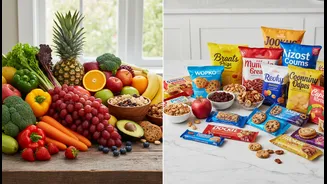
solely on production and delivery. This model was perfectly timed with the explosion of online food delivery platforms like Zomato and Swiggy, which gave these digital-first brands instant access to millions of hungry customers. The initial strategy was clear: target high-demand, high-margin items. Think pizzas, burgers, and biryanis—comfort foods that travel well and satisfy immediate cravings, especially late at night. This convenience-driven approach allowed brands to scale quickly, but it also created a market saturated with similar, often indulgent, offerings.
A Growing Appetite for Wellness
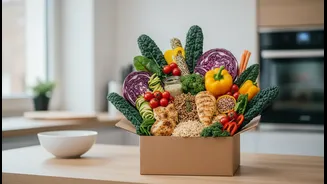
While the convenience model thrived, a parallel shift was happening in consumer behavior. A growing number of Indians, particularly in urban centers, are becoming increasingly health-conscious. This trend, accelerated during the pandemic, has seen consumers prioritizing nutrition, food safety, and transparent ingredients. According to a recent report, a staggering 86% of Indian consumers now consider protein an important factor when choosing snacks. There's also a rising demand for clean-label products, with many willing to pay more for healthier options, such as those sweetened with natural ingredients over refined sugar. This pivot towards wellness isn't just about avoiding unhealthy food; it's an active search for functional foods that offer benefits like immunity support, creating a significant market opportunity. Food brands are taking notice, with many established companies and startups alike focusing on health-centric portfolios to meet this evolving demand.
On the Menu: Salads, Soups, and Strategy
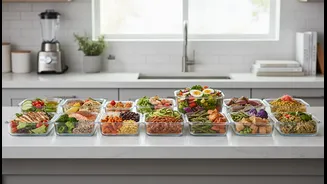
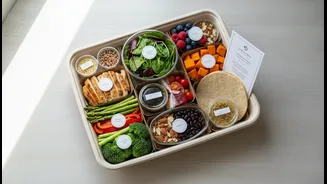
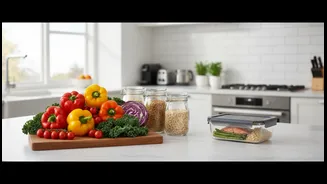
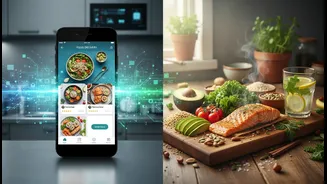
In response, the cloud kitchen landscape is beginning to transform. The new frontier is not just about satisfying cravings but about integrating into a daily, healthy lifestyle. Companies like Curefoods have built a significant presence by focusing on brands such as EatFit, which offers calorie-conscious and protein-rich meals. Even brands known for more traditional fare are introducing healthier alternatives. We now see multi-brand kitchens offering everything from comfort-food khichdi bowls to gourmet salads and curated chef-style meals from the same facility. This multi-brand strategy allows operators to cater to diverse tastes—a family can order a pizza, a biryani, and a quinoa salad from different virtual brands that all originate from a single kitchen. This diversification is a strategic move to capture a wider customer base and encourage higher order frequency beyond just weekend treats.
Overcoming New Challenges
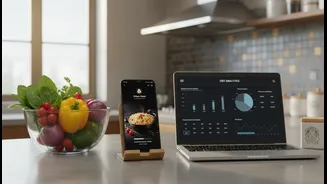
Pivoting to health is not without its hurdles. For one, the economics are tougher. Healthy ingredients, especially organic and high-quality produce, often cost more, which can squeeze already thin profit margins. Furthermore, building trust without a physical storefront is a major challenge. Consumers want assurance of freshness and quality, and cloud kitchens must work harder to provide that through transparent sourcing and impeccable safety standards. The market also remains intensely competitive. Dependence on delivery aggregators means high commissions and marketing costs to gain visibility. To succeed, healthy cloud kitchens must build a strong brand identity that resonates with consumers, encouraging direct orders and fostering loyalty beyond just discounts. Consistency in quality and delivery is paramount, as a single bad experience can easily deter a health-focused customer.