





The New Digital Sous-Chef
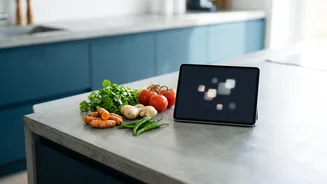
The most significant change AI brings to the Indian kitchen is not in the form of a robot, but as intelligent software and connected appliances. AI-powered apps like CookMithra and Indian Kitchen Genie act as personal recipe generators. They can look
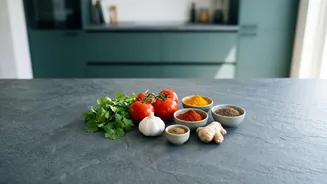
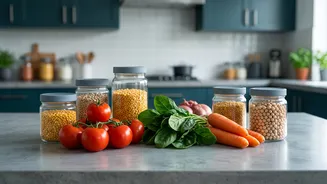
at the ingredients you have—that last bit of paneer, a handful of tomatoes, and some capsicum—and instantly suggest a viable dish, like a quick Kadai Paneer. This solves the daily dilemma of 'what to cook?' and helps reduce food waste by using what's already in your fridge. These platforms are specifically being tuned to understand the nuances of Indian home-style cooking, moving beyond generic recipes to cater to regional tastes and dietary needs.
Perfecting Everyday Meals
For daily cooking, from a quick breakfast to a wholesome dinner, AI is simplifying routines. Smart kitchen appliances are becoming increasingly common in urban Indian homes. For example, AI-powered ovens and air fryers now come with preset modes specifically for Indian dishes like tandoori chicken or samosas, ensuring consistent results with less oil. Smart refrigerators from brands like Samsung and Haier can track the food items inside, suggest recipes, and even monitor expiry dates. For busy professionals and novice cooks, all-in-one smart cooking assistants like the delishUp by Upliance.ai can handle everything from chopping and stirring to pressure cooking, guiding users through recipes step-by-step.
Streamlining Festive Feasts
The chaos of cooking for festivals like Diwali or a large family gathering can be overwhelming. This is another area where AI is proving to be a valuable assistant. AI tools can help with menu planning, suggesting a balanced and impressive spread that caters to various tastes. Some AI models can even help create fusion recipes, blending flavours from different Indian states for a unique festive meal. For commercial cloud kitchens, which see a surge in orders during festivals, AI helps predict demand based on past trends, weather, and even cricket matches, ensuring they are well-stocked and staffed. This same logic can be applied at home, helping cooks prepare for big events with greater efficiency.
Beyond Convenience: Health and Accessibility
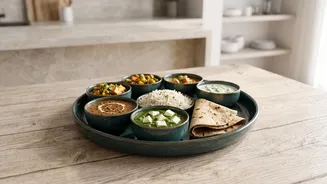
The benefits of AI in the kitchen extend beyond just saving time. For health-conscious individuals, these tools are becoming indispensable. Researchers are developing computer vision technology that can analyze a picture of an Indian thali and estimate its nutritional value—a complex task given the nature of Indian meals. AI can also help customize recipes to be healthier, suggesting low-oil cooking methods or healthier ingredient swaps. Furthermore, this technology makes cooking more accessible. For someone with a disability or a complete beginner in the kitchen, voice-activated appliances and guided cooking apps can provide the confidence and support needed to prepare a home-cooked meal.
Preserving Tradition in a Digital Age
A common concern is whether AI will diminish the art of cooking and erode family recipes passed down through generations. However, many experts see it differently. AI is seen as a tool, not a replacement for human creativity. While AI can generate thousands of flavour combinations, it lacks the human touch, intuition, and cultural context that define great cooking. It cannot replicate the taste of a dish inspired by a childhood memory. Instead, AI can act as a framework or a starting point, helping home cooks experiment and learn. It can also play a role in preserving culinary heritage by digitally mapping India's vast and diverse food culture for future generations to explore.