
The Battle of Heat and Nutrients
At the heart of this issue are antioxidants, beneficial compounds like vitamin C and various polyphenols found abundantly in fresh produce. These molecules are praised for their ability to combat oxidative stress in the body. However, many of these powerful
nutrients are delicate. The three biggest threats to their survival during cooking are high temperatures, long cooking times, and large amounts of water. When vegetables are exposed to intense heat, as they are in a sizzling wok, the chemical structure of these compounds can begin to break down. Similarly, boiling vegetables can cause water-soluble vitamins, like vitamin C, to leach out into the cooking water, which is often discarded.
Why Stir-Frying Loses the Fight
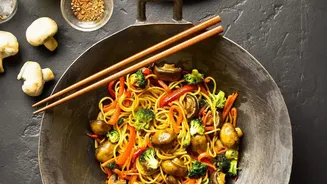
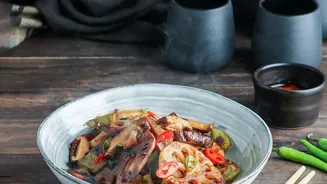
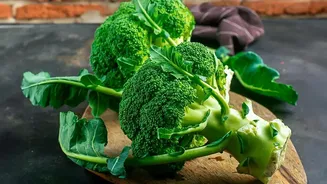
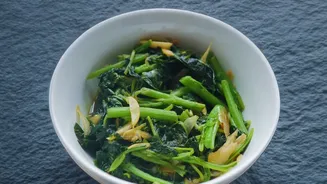
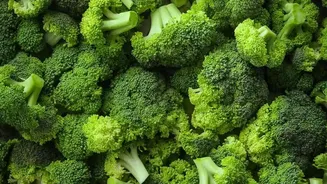
Stir-frying is a popular and quick cooking method, but its high heat can be particularly harsh on certain antioxidants. Research has shown that stir-frying can cause significant losses of compounds like vitamin C and polyphenols in vegetables such as broccoli. One study found that stir-frying broccoli resulted in a greater loss of vitamin C compared to steaming. Frying, in general, has been shown to reduce the polyphenol content in leafy greens and other vegetables more than methods like steaming or boiling. While the browning that occurs during frying can create some new compounds with antioxidant properties, it often comes at the cost of destroying other well-known beneficial ones, such as the glucosinolates in broccoli which are linked to cancer protection.
The Gentle Power of Steaming
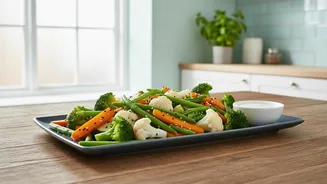
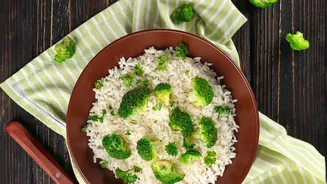
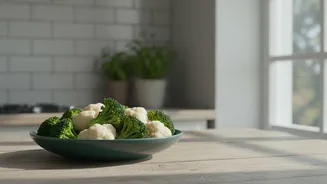
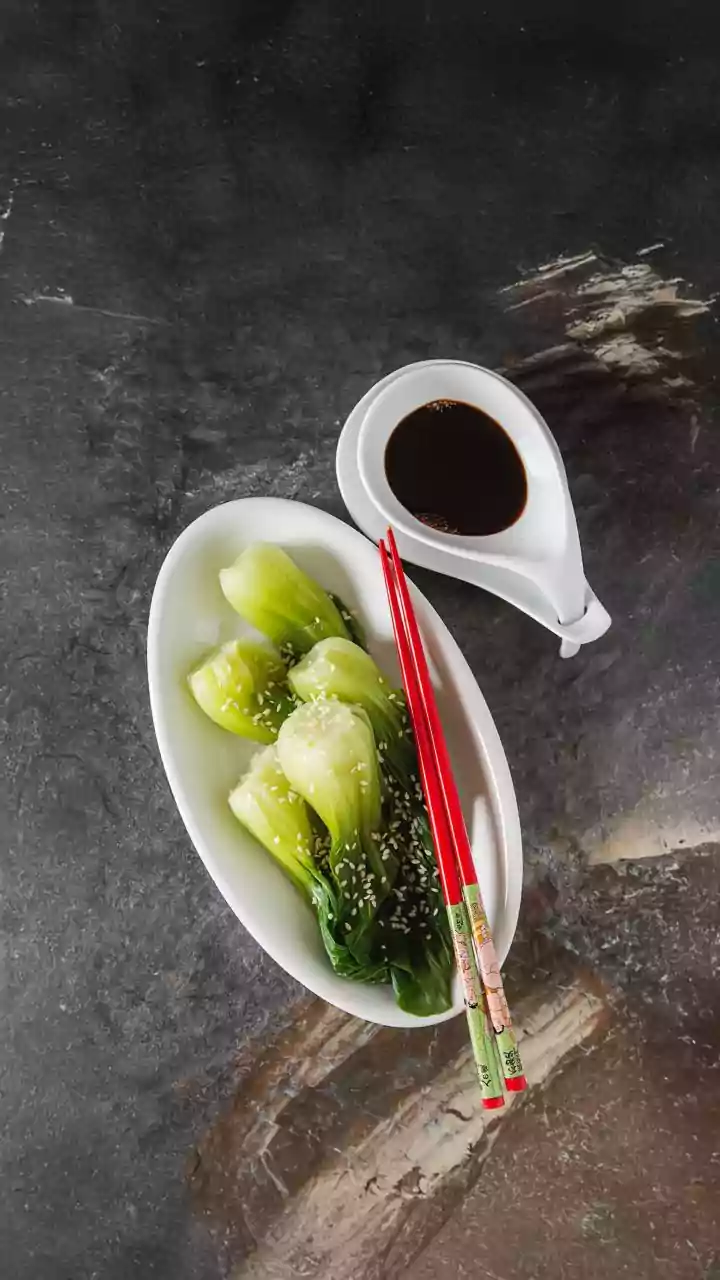
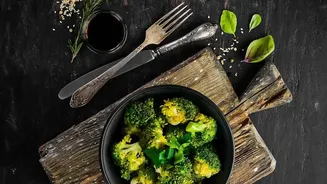
Steaming, on the other hand, is emerging as one of the best ways to preserve the nutritional integrity of your vegetables. This method cooks the food using hot vapour without direct contact with boiling water. This prevents water-soluble nutrients from being washed away. Because steaming generally uses lower temperatures than frying, it is gentler on heat-sensitive compounds. Studies have consistently shown steaming to be superior for retaining vitamin C in vegetables like broccoli, spinach, and lettuce compared to boiling and even microwaving. For broccoli, in particular, steaming appears to be the best cooking method for retaining not only vitamin C but also chlorophyll, soluble proteins, and important glucosinolates. A brief steaming of three to four minutes is often all that is needed to get broccoli tender-crisp while keeping it bright green and full of nutrients.
How Other Methods Stack Up
So, where do other common cooking methods fit in?
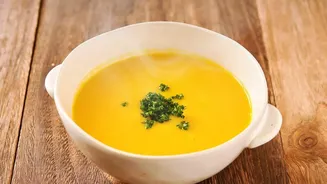
Boiling: This method consistently ranks as one of the worst for nutrient retention, especially for water-soluble vitamins. Boiling can lead to losses of over 50% of the vitamin C in some vegetables. If you do boil, using the leftover nutrient-rich water in a soup or sauce can help reclaim some of those lost vitamins.
Microwaving: Surprisingly, microwaving vegetables is one of the better methods for preserving nutrients. Its short cooking times and minimal use of water help retain high levels of vitamin C and other compounds.
Roasting: A dry-heat method like roasting can be a good choice. Some studies show it preserves antioxidants in vegetables like red pepper better than boiling or steaming. However, the outcome depends on the temperature and duration.
Maximising Your Veggie Intake
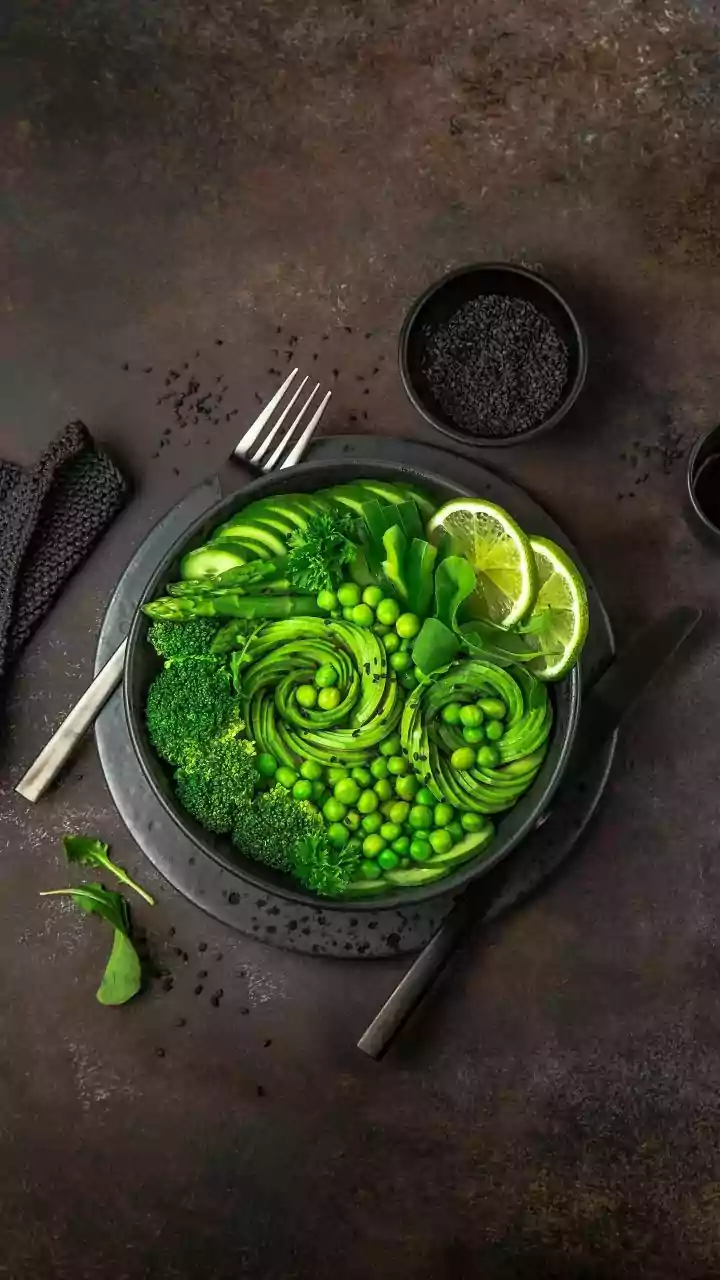
It’s important to remember that some cooking can actually be beneficial. For certain nutrients, like the beta-carotene in carrots, cooking can help break down cell walls, making the nutrient more available for your body to absorb. Adding a small amount of healthy fat, like olive oil, can also aid the absorption of fat-soluble vitamins. The key is to avoid overcooking. Vegetables that are still vibrant in colour and have a slight crunch are likely to have retained more of their nutritional value. The ultimate goal is to eat more vegetables, regardless of the preparation method. If a light stir-fry or roast makes vegetables more appealing to you, that is far better than not eating them at all.