




The Strategic Rail Advantage
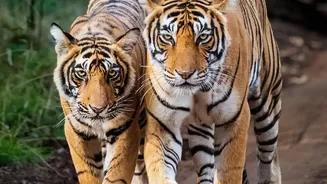
For wildlife enthusiasts, the journey to the heart of India’s tiger country has often been a significant hurdle. Flying can be expensive, and driving for hours after a flight adds both cost and exhaustion. This is where the strategic use of Indian Railways'
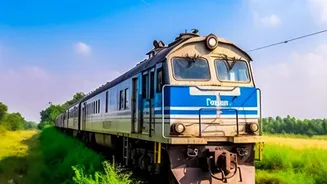
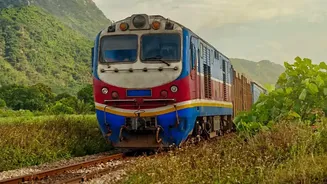
extensive network comes into play. Major cities like Delhi, Mumbai, and Kolkata have robust overnight train connections to key gateway stations such as Jabalpur, Nagpur, and Katni. These stations serve as the primary access points for renowned tiger reserves including Kanha, Bandhavgarh, and Pench. An overnight journey allows you to sleep through the longest leg of the trip, saving a night on accommodation and arriving fresh in the morning, ready for the final leg of your adventure.
Gateway Stations to the Wild
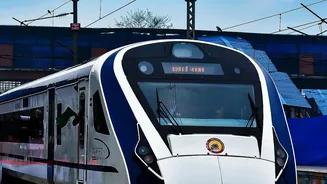
Choosing the right station is crucial for a smooth trip. For Bandhavgarh National Park, Umaria (37 km away) and Katni (100 km away) are the most convenient railheads. Many express trains from major hubs halt at these stations. Similarly, for Pench National Park, Nagpur Junction, located about 92 km away, is the primary entry point, with excellent connectivity from across India. From Nagpur, the final part of the journey to the park gates takes about two to three hours by road. For those heading to Kanha National Park, Jabalpur (160 km) and Gondia are the most practical railway stations. Numerous trains, including Sampark Kranti and other express services, connect these cities to the rest of the country, making them ideal starting points for the final road transfer to the sanctuary.
From Station to Safari Lodge
The final step is the “last-mile” journey from the railway station to your jungle lodge. This part of the trip is simpler than it sounds. At major stations like Jabalpur, Katni, and Nagpur, pre-paid taxi booths and private cab services are readily available. A taxi from Jabalpur to Bandhavgarh can take around three to four hours. From Nagpur to Pench, the drive is a manageable two hours. Many safari lodges and resorts also offer pick-up services from the nearest station for their guests upon prior request. Booking this transfer in advance is highly recommended to ensure a vehicle is waiting for you upon arrival, allowing you to transition seamlessly from your train journey to your wildlife experience without any hassle.
The Undeniable Cost-Effectiveness
The most compelling argument for train travel is its affordability. A third AC (3A) train ticket for an overnight journey is significantly cheaper than a flight. For example, a train ticket can cost between ₹800 and ₹2,500, whereas a budget airline ticket for a similar route might start at ₹3,000 and go up, especially with last-minute booking. When you factor in the additional costs associated with air travel—such as expensive airport transfers and excess baggage fees—the savings from taking a train become even more substantial. This low-cost approach allows travellers to allocate more of their budget towards better accommodation or more safari drives, enhancing the overall quality of their wildlife trip.
Planning Your Overnight Rail Adventure
To make the most of this travel method, a little planning goes a long way. Train tickets in India, especially on popular routes, should be booked well in advance—often 60 to 120 days before your travel date—via the official IRCTC website or app. When booking, choose a train that is scheduled to arrive at your destination station in the early morning. This gives you ample daylight hours to travel by road to your lodge, check in, have lunch, and relax before your afternoon safari. Travelling in a comfortable class like AC 2-Tier or AC 3-Tier ensures a good night's sleep. By mastering the art of the overnight train journey, you can unlock a more sustainable, affordable, and deeply rewarding way to experience the magnificent wilderness of Central India.