





Understanding the Dual Challenge
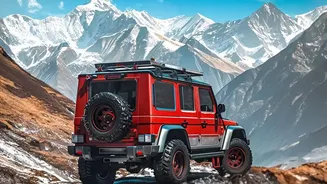
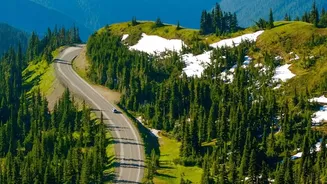
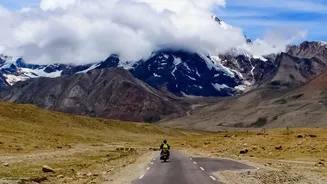
The 479-kilometre Manali-Leh route is a high-altitude desert that presents two primary obstacles: weather and altitude. The weather is notoriously fickle. You can start a day in brilliant sunshine, face a sudden downpour by midday, and encounter snow
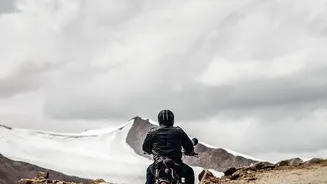
flurries on a high pass by afternoon. Temperatures can swing dramatically, from a pleasant 25°C in a sunny valley to near-freezing temperatures on a pass. Simultaneously, the highway crosses multiple passes above 4,500 metres, including the famed Tanglang La at 17,582 feet. At these elevations, the air contains significantly less oxygen, a condition your body needs time to adapt to. Rushing the journey is a common mistake that can lead to serious health issues.
The Golden Rule: Acclimatize Gradually
The single most important rule for this journey is to ascend slowly. Your body needs time to produce more red blood cells to cope with the lower oxygen levels. Forcing the pace is the surest way to invite Acute Mountain Sickness (AMS). A recommended itinerary takes at least two, and preferably three, days. A crucial strategy is to spend a night at a moderate altitude before pushing higher. Keylong or, more preferably, Jispa (around 3,200 metres) are ideal first-night stops. This allows your body to begin the acclimatization process before you tackle the higher passes like Baralacha La and Sarchu the following day. Never try to cover the distance in a single, gruelling day.
Know the Signs of Altitude Sickness (AMS)
AMS can affect anyone, regardless of age or physical fitness. The initial symptoms are often subtle and can be mistaken for simple travel fatigue. Be vigilant for persistent headaches, dizziness, nausea, loss of appetite, and unusual tiredness. If you or a travel companion experience a combination of these symptoms, you must take it seriously. The immediate cure is to stop ascending. Rest, hydrate well, and if symptoms are moderate or worsen, the only effective treatment is to descend to a lower altitude immediately. Even a descent of 500-1,000 metres can bring significant relief. Portable oxygen can provide temporary relief but is not a substitute for descent.
Dress in Layers for Unpredictable Weather
The key to comfort and safety in fluctuating weather is layering. Instead of one heavy jacket, wear multiple layers that you can add or remove as conditions change. Start with a base layer (like a thermal or synthetic T-shirt) that wicks moisture away. Add a mid-layer like a fleece jacket for insulation. Your outermost layer should be a windproof and waterproof jacket to protect against the elements. This system allows you to adapt quickly, whether you're basking in the sun at Sissu or facing a cold wind at Tanglang La. Don't forget essentials like a warm cap (beanie), gloves, woollen socks, and UV-protection sunglasses, as the sun's glare is intense at altitude.
Vehicle and Personal Essentials
Before you begin, ensure your vehicle is in top condition. Check tyres, brakes, and fluid levels. The last reliable fuel pump after Manali is at Tandi, so refuel there. For your personal kit, pack a comprehensive first-aid box. This should include medications for headache, nausea, and any personal prescriptions. Consulting a doctor about medication for AMS, such as Acetazolamide (Diamox), before your trip is advisable. Carry plenty of water and snacks like nuts and energy bars. Cash is crucial, as ATMs are scarce and unreliable beyond Keylong. Finally, given that road closures due to landslides or flash floods are possible, always check the latest road status with local authorities or online sources before you depart.