




Why Your Waste Is a Treasure
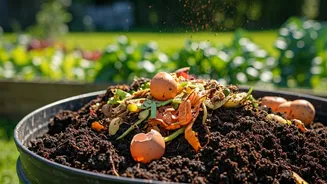
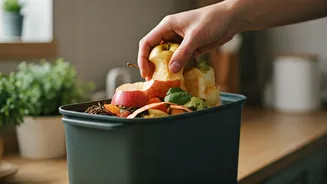
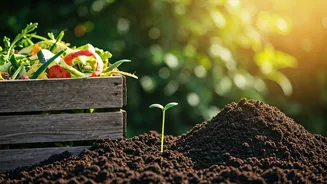
Every day, our kitchens produce a significant amount of organic waste: vegetable peels, fruit cores, tea leaves, and leftover food. Most of this ends up in landfills, where it decomposes without oxygen, releasing harmful methane gas. Composting offers
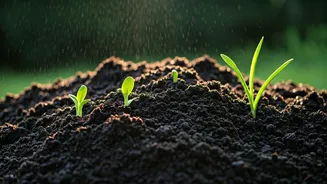
a simple, powerful alternative. By managing this decomposition process at home, you not only divert waste from landfills but also create a fantastic, all-natural fertiliser. This homemade compost enriches soil, helps retain moisture, suppresses plant diseases, and reduces the need for chemical fertilisers. It’s a win for your wallet, your garden, and the planet.
The Golden Rule: Balancing Greens and Browns
The secret to successful composting lies in balancing two types of materials: 'greens' and 'browns'. This maintains a healthy carbon-to-nitrogen ratio, which is crucial for the microorganisms that do all the hard work of decomposition.
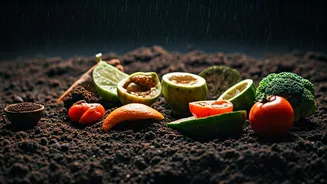
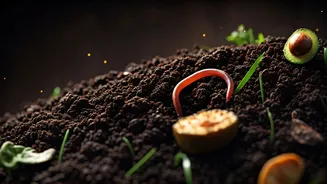
‘Greens’ are rich in nitrogen. Think of wet, fresh materials from your kitchen. This includes fruit and vegetable scraps, coffee grounds, tea leaves, and fresh grass clippings. They provide the protein for the microbes.
‘Browns’ are rich in carbon. These are typically dry, woody materials. Think of dried leaves, cardboard (torn into small pieces), newspaper, sawdust, and twigs. They provide the energy for the microbes and create air pockets in the pile.
A good rule of thumb is to aim for a ratio of roughly two parts browns to one part greens. Too many greens can lead to a smelly, slimy pile, while too many browns will slow down decomposition significantly.
Choosing Your Composting Method
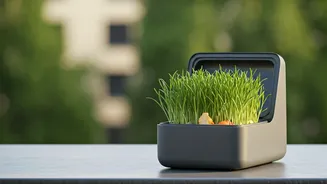
You don't need a large garden to start composting. There are methods suitable for every type of home, from a small apartment balcony to a spacious backyard.
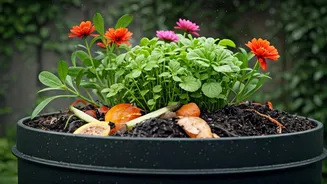
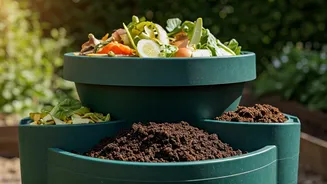
For apartment dwellers, a simple compost bin is the best option. You can buy specialised multi-tiered terracotta (Khamba) pots or even repurpose a large plastic bin by drilling holes in it for aeration. These are compact and contain any potential mess.
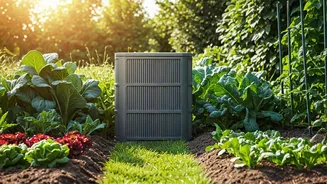
If you have a small yard or terrace, you can try open-bin composting using wooden pallets or wire mesh to create an enclosure. This allows for a larger volume and better airflow.
For those with more space, pit composting is a traditional and effective method. Simply dig a pit in a discreet corner of your garden and toss your organic waste in, covering it with a layer of soil after each addition.
What to Compost (and What to Avoid)
Knowing what to add is key to a healthy compost pile. Stick to this list for the best results.
**YES, PLEASE (Greens & Browns):**
- Vegetable peels and fruit scraps
- Eggshells (crushed)
- Tea bags and coffee grounds
- Leftover cooked rice and dal (in small amounts)
- Dry leaves, twigs, and wood ash
- Shredded newspaper and cardboard
- Flowers and grass clippings
**NO, THANK YOU:**
- Meat, fish, and bones: These attract pests and create foul odours.
- Dairy products: For the same reason as meat, they can make your pile smell and attract unwanted visitors.
- Oily or greasy foods: Oil creates a water-resistant barrier, slowing down decomposition.
- Diseased plants: You risk spreading the disease back into your garden when you use the compost.
- Pet waste: This can contain harmful pathogens that you don't want in your soil.
Your Step-by-Step Guide
Ready to start? Here’s a simple process for bin composting:
1. **Start with Browns:** Place a thick layer (4-6 inches) of dry leaves, shredded cardboard, or cocopeat at the bottom of your bin. This helps with drainage and aeration.
2. **Add Your Greens:** Add a layer of your daily kitchen waste on top of the brown layer.
3. **Cover with Browns:** Always cover your fresh green layer with another layer of browns. This is the most important step to prevent smells and flies.
4. **Aerate and Moisten:** Once a week, use a stick or a small rake to turn the pile. This introduces oxygen, which is essential for the microbes. The pile should be as moist as a wrung-out sponge. If it's too dry, sprinkle some water; if it’s too wet, add more browns.
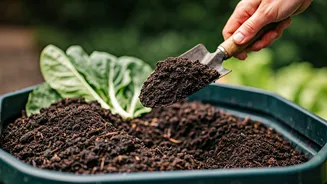
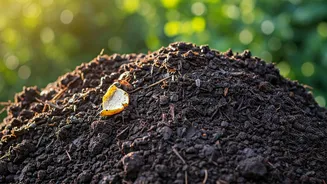
5. **Repeat:** Continue layering greens and browns. Over time, the material at the bottom will start to break down into dark, crumbly compost.