




Instant noodles and ready meals are a blessing on busy days, offering a quick fix for hunger. But have you ever flipped the pack over to check the sodium content? Those numbers can be confusing, yet they hold important clues about your health.
Why Sodium Is a Major Concern
Sodium is
an essential mineral that our bodies need to maintain fluid balance and ensure proper muscle and nerve function. However, the key is moderation. The World Health Organization (WHO) and the Indian Council of Medical Research (ICMR) recommend a daily salt intake of less than 5 grams, which is about one teaspoon or 2,000 mg of sodium. Unfortunately, studies show the average Indian consumes around 8 to 11 grams of salt daily, almost double the recommended limit. This excess sodium intake is a major public health issue, strongly linked to high blood pressure (hypertension), which increases the risk of heart disease, stroke, and kidney problems.
How to Read the Nutrition Label for Sodium
The nutrition label on the back of the package is your best tool. Under the 'Nutritional Information' panel, you'll find 'Sodium' listed in milligrams (mg). Pay close attention to the 'per 100g' value, as this allows you to compare different products fairly. Also, check the 'per serving' amount, but be realistic about what a serving size is. Sometimes a small pack can contain two servings. A sodium content below 120 mg per 100g is considered low, while anything over 500-600 mg per 100g is generally high. These labels are mandated by the Food Safety and Standards Authority of India (FSSAI) to help you make informed choices.
The Salty Truth About Instant Noodles
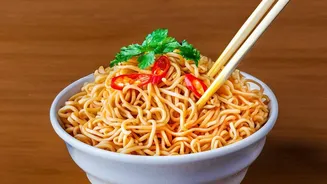
Instant noodles are notoriously high in sodium, primarily from the accompanying tastemaker sachet. A single packet of popular instant noodles can contain anywhere from 800 mg to over 1,800 mg of sodium. This means one snack-sized meal could provide between 37% to over 75% of your entire recommended daily sodium intake. While they are convenient and tasty, their high sodium content makes them a food to consume sparingly, especially for those monitoring their blood pressure or with a family history of heart conditions.
Are Ready-to-Eat Meals Any Better?
Ready-to-eat (RTE) meals, such as packaged curries, biryanis, and dals, present a mixed picture. While you might find some options with lower sodium, many are just as high, if not higher, than instant noodles. Salt is heavily used as a preservative and flavour enhancer in these products. Restaurant and takeaway meals are also significant contributors to high sodium intake, often containing far more salt than home-cooked food. The sodium content can vary widely depending on the type of dish, so checking the label is crucial every time.
The Verdict: Noodles vs. Ready Meals
When comparing the two, there is no clear winner as both categories contain many high-sodium products. However, the flavour packets in instant noodles are often extremely concentrated sources of salt, making it very easy to consume a huge amount of sodium in one small meal. Ready meals can be more varied, but their larger portion sizes can mean the total sodium consumed is still very high. The bottom line is that most processed and pre-packaged foods are significant sources of hidden salt in the Indian diet.
Simple Tips for a Lower Sodium Diet
Making smarter choices doesn't mean you have to give up convenience entirely. When making instant noodles, try using only half of the tastemaker packet to significantly cut down on sodium. You can add your own spices, herbs, and fresh vegetables for flavour and nutrients. For both noodles and ready meals, always check the label and choose the option with the lowest sodium content per 100g. Cooking at home more often gives you complete control over how much salt goes into your food. Limiting other high-sodium culprits like pickles, papads, and packaged snacks can also make a big difference.