


What is Baked Rasgulla?
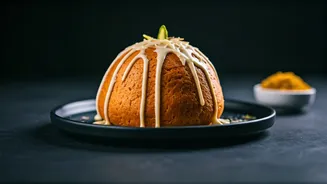
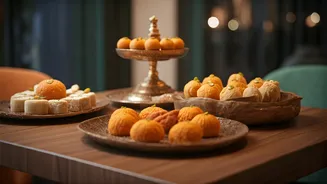
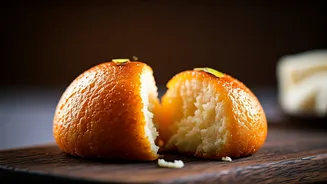
At its heart, baked rasgulla is a modern evolution of the iconic Bengali sweet. The traditional rasgulla, a spongy ball of chhena (Indian cottage cheese) soaked in light sugar syrup, is a legend in its own right. This new version, however, takes things
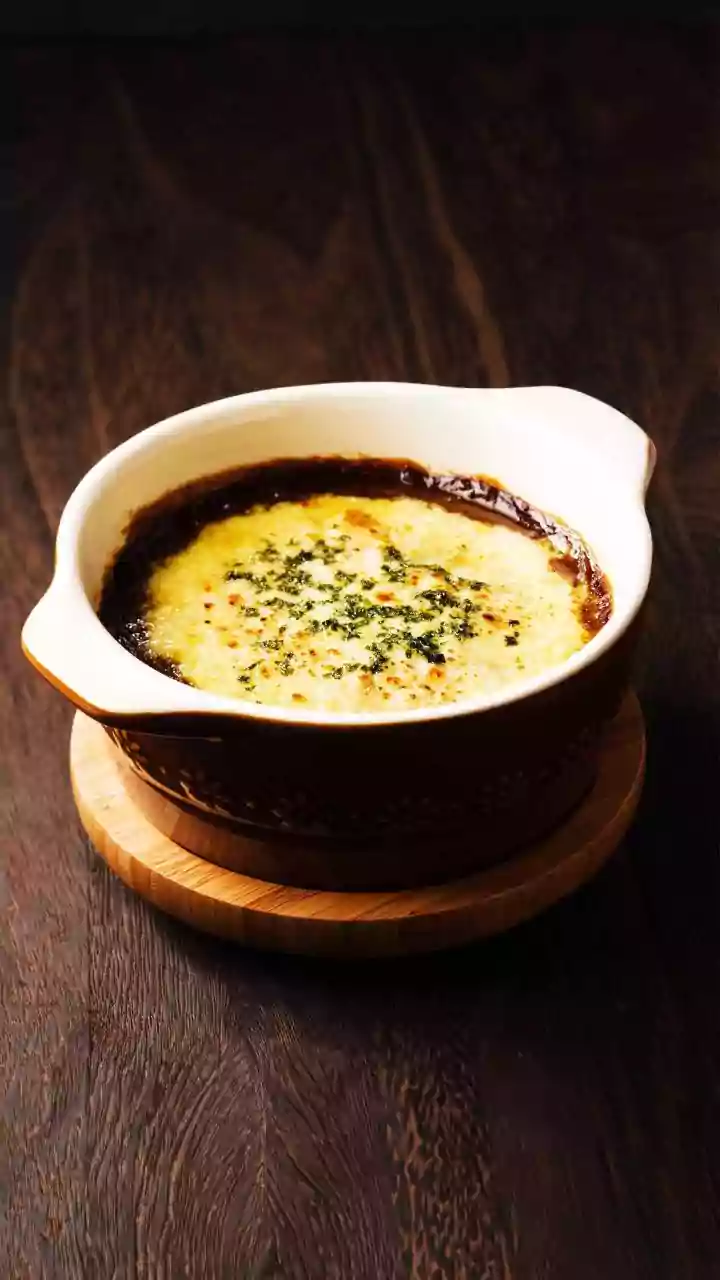
a step further. Rasgullas, with their syrup gently squeezed out, are placed in a baking dish and smothered in a rich, creamy mixture before being baked until golden brown on top. The base for this creamy blanket is typically a blend of condensed milk, full-fat milk, and often khoya (milk solids) or milk powder, which is reduced to a thick, rabri-like consistency. The result is a dessert with a beautifully caramelized crust, a warm and creamy sauce, and the familiar soft, spongy rasgulla at its centre.
The 'Cheese' Element Explained
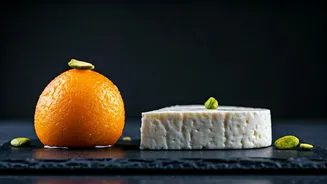
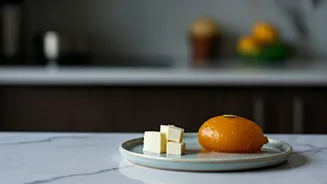
The mention of 'cheese' in the headline often causes a double-take. While some adventurous home cooks and chefs experiment with adding crumbled paneer or even a hint of cream cheese to the baking mixture for extra richness and a tangy profile, the popular version of baked rasgulla doesn't typically involve savoury cheese. The 'cheesy' quality that people rave about is more of a textural and flavour comparison. The rich, dense, and slightly tangy sauce, created by baking the concentrated milk solids and condensed milk, develops a consistency reminiscent of a baked cheesecake or a very decadent paneer-based sweet. This delightful confusion is a testament to the dessert's unique, melt-in-your-mouth texture that beautifully marries the worlds of Indian mithai and Western baked goods.
A Tale of Two Textures
The magic of baked rasgulla lies in its delightful contrast of textures and temperatures. Unlike the uniformly soft and syrupy classic, the baked version offers a symphony of sensations. You first encounter the slightly firm, caramelized top layer, which gives way to the warm, luscious, and creamy sauce. Finally, you reach the soft, spongy core of the rasgulla, which has absorbed the rich flavours of the surrounding milk mixture. One food blogger perfectly described the flavour as a heavenly mix of rasgulla, rasmalai, and shahi tukda, with a hint of caramel. Served warm or chilled, it offers a less messy and conveniently modern way to enjoy a beloved sweet, with a reduced syrupiness that appeals to a contemporary palate.
The Sweet Innovation
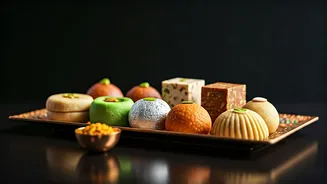
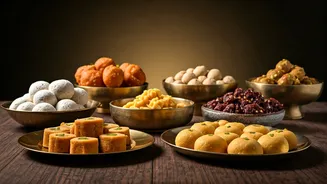
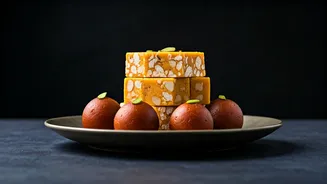
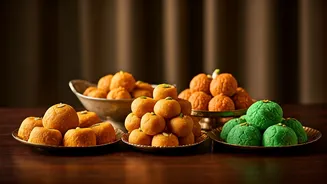
Born from the creative kitchens of Kolkata, a city with a deep-rooted love for sweets, baked rasgulla is a shining example of India's dessert renaissance. It's part of a larger trend of culinary fusion that is sweeping the nation, where chefs and home cooks are reimagining traditional sweets for a new generation. Think of gulab jamun cheesecakes, rasmalai tiramisu, and motichoor ladoo parfaits. These creations aren't about replacing the classics but celebrating them by blending familiar tastes with new techniques and presentations. Baked rasgulla perfectly captures this spirit; it honours the legacy of the original sweet while making it exciting and new, ensuring its place on dessert menus and dinner tables for years to come.