


Why The Sudden Downpour of Interest?
While many national parks traditionally close their core zones from July to September, a growing number of reserves keep their buffer zones open, offering a unique wildlife experience. The appeal is multi-faceted. The monsoon transforms the dry, dusty
forests into a paradise of vibrant greens, with overflowing streams and misty landscapes that are a dream for photographers. With lower tourist footfall compared to the peak winter season, safaris are more peaceful and intimate. This makes booking permits and accommodation easier and often more affordable. The cooler temperatures also mean that many animals remain active for longer periods during the day, providing different viewing opportunities. It's a chance to see the jungle in a completely new light, alive with the sounds and scents of the rainy season.
Where to Go: India’s Top Monsoon Sanctuaries
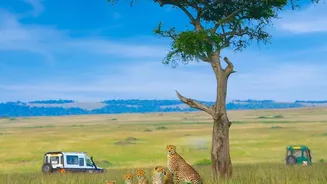
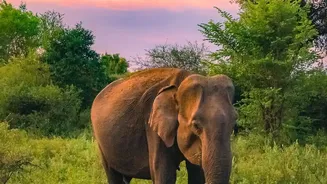
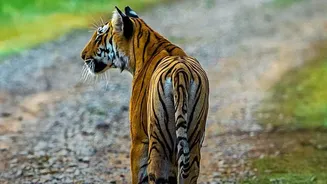
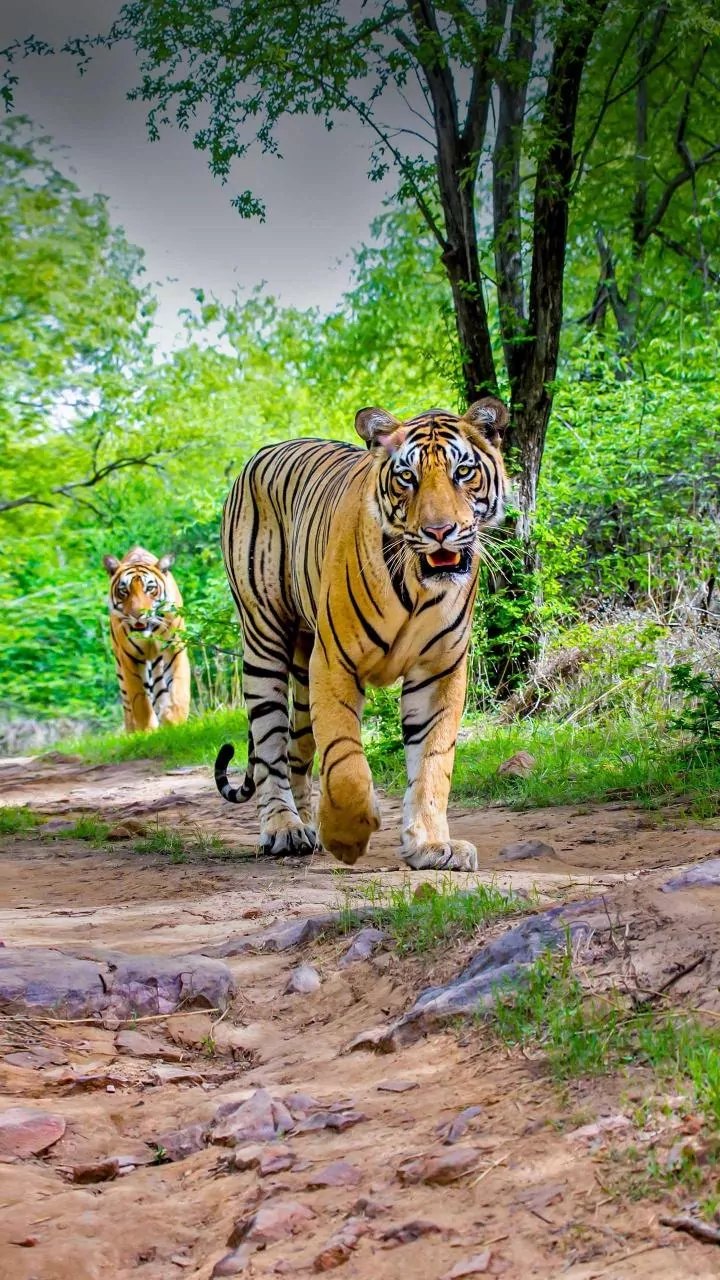
Several national parks across India have adapted to offer incredible monsoon experiences. In Kerala, Periyar National Park is a top choice, as its famous boat safari on the lake continues year-round, offering sightings of elephants and various birds against a backdrop of rain-soaked forests. Tadoba-Andhari Tiger Reserve in Maharashtra is another favourite, keeping its buffer zones like Moharli and Kolara open. Tiger sightings remain common as the big cats often use the clearer forest roads to avoid waterlogged undergrowth. Down south, Karnataka’s Kabini (part of Nagarhole National Park) and Bandipur National Park remain open and are fantastic for spotting elephants, gaur, and a rich diversity of birdlife. In Central India, buffer zones of Pench, Kanha, and Bandhavgarh National Parks in Madhya Pradesh offer lush landscapes and active wildlife, part of the state's 'Buffer Mein Safar' initiative.
What You'll See: A Different Cast of Characters
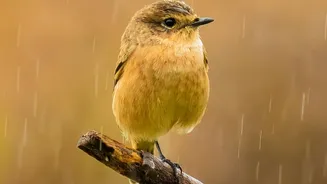
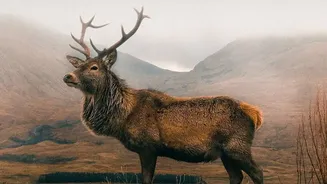
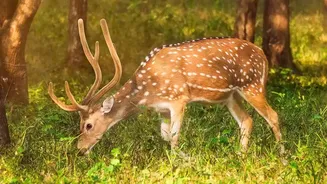
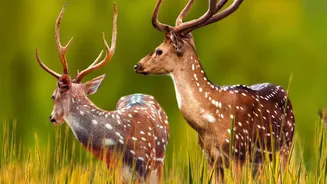
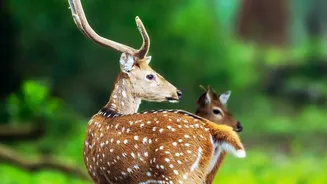
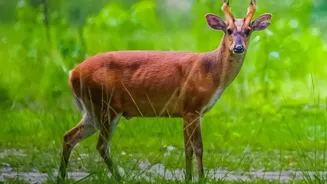
A monsoon safari offers a different viewing experience than a dry-season one. While locating tigers in the dense, green foliage can sometimes be a challenge, the rains bring out other incredible sights. Peacocks are famous for their elaborate courtship dances in the rain. Herds of herbivores like sambar deer and gaur can be seen grazing on fresh, green grass. It’s a fantastic time for birdwatching, as resident birds are active and some migratory species begin to arrive. The wet environment is also ideal for spotting amphibians and reptiles. The entire ecosystem feels more alive, from the smallest insects to the largest mammals. The focus shifts from just spotting big predators to appreciating the entire vibrant, thriving jungle ecosystem.
Know Before You Go: Essential Monsoon Safari Tips
A little preparation goes a long way in ensuring a comfortable and rewarding monsoon safari. First, pack smart. Lightweight, quick-dry clothing in neutral colours is ideal. Swap the umbrella for a waterproof poncho, which is more practical in an open jeep. Protect your camera, phone, and other electronics with dry bags or waterproof covers. Sturdy, waterproof shoes with good grip are a must for potentially muddy terrain. It's also wise to carry insect repellent and a basic first-aid kit. Always check the weather forecast and the park's official website for any last-minute closures due to heavy rain before you travel. Finally, booking your safari permits in advance is still recommended, especially if you plan to travel over a long weekend.