






A Comforting Tradition for Colds and Coughs
In South India, pepper rasam is to the flu season what chicken soup is to the West. It’s a light, brothy dish cherished as a home remedy for symptoms like a stuffy nose, sore throat, and general fatigue. For generations, it has been the go-to recovery
food, offering gentle nourishment when appetite is low. Its warmth and spicy kick are deeply soothing, making it a staple not just for the sick, but for anyone seeking comfort on a cold, rainy day. The tradition is rooted in the belief that the specific blend of spices can provide relief and support the body.
The Power of Pepper and Piperine
The star ingredient, black pepper (milagu), is what gives this rasam its name and its reputed benefits. Black pepper contains piperine, an active compound known for its antioxidant and anti-inflammatory properties. Traditionally, pepper is considered a natural expectorant, believed to help clear respiratory congestion by breaking down mucus in the nasal passages and lungs. The warming quality of pepper is thought to soothe sore throats and reduce coughing. Furthermore, piperine can enhance the body's ability to absorb nutrients from other foods, which is crucial when the body is fighting off an infection.
More Than Just Pepper
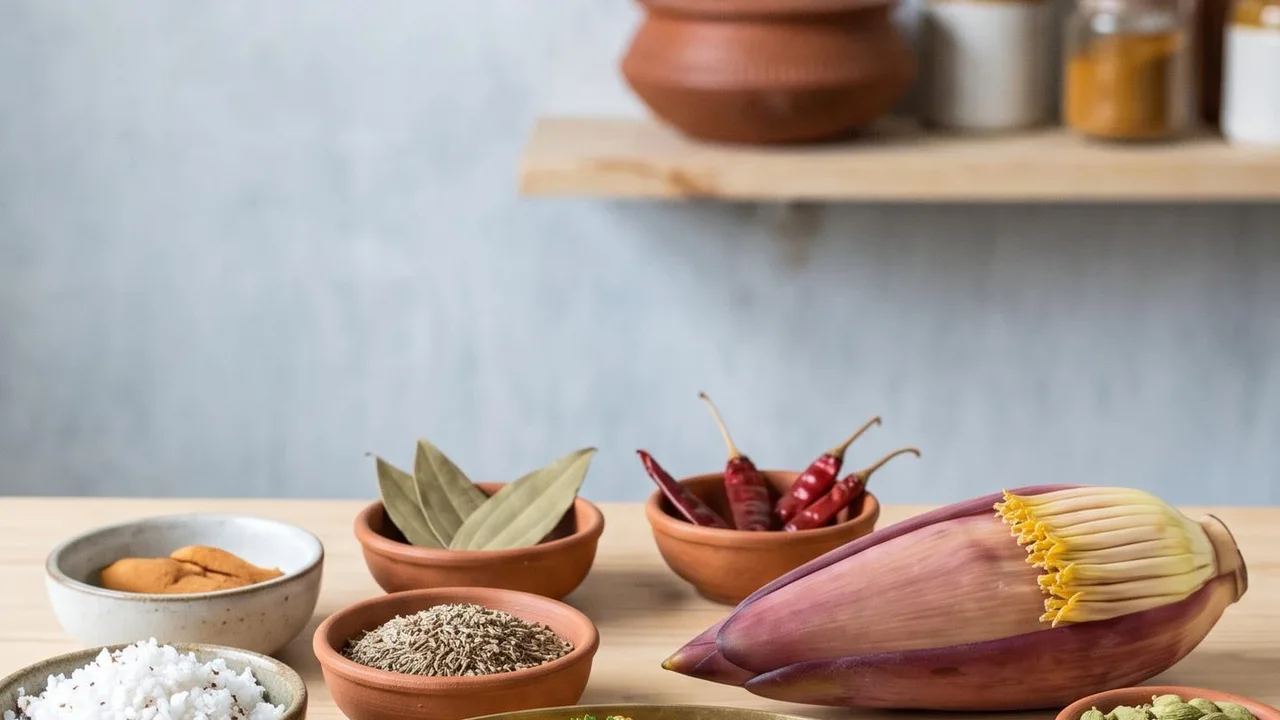
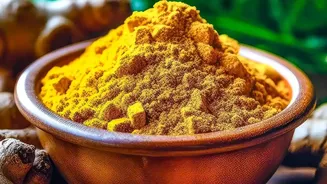
While pepper is the lead, other ingredients play vital supporting roles. Tamarind, which provides the rasam's signature tangy base, is rich in antioxidants. Garlic, another common addition, is well-known for its immunity-supporting properties and acts as a natural decongestant. Spices like cumin aid digestion, while turmeric offers anti-inflammatory benefits. This powerful combination of ingredients works together to create a dish that is not only flavourful but also packed with compounds traditionally used to support well-being during illness.
Not a Cure, But a Comfort
It's important to frame pepper rasam correctly. While it is a cherished home remedy, it is not a medical cure for the flu or the common cold, which are caused by viruses. There is no clinical evidence to suggest that rasam can eliminate a virus or shorten the duration of an infection. However, its benefits as a comfort food are undeniable. The warm, hydrating liquid can help soothe a raw throat and contribute to fluid intake, preventing dehydration. The spicy aroma may also provide temporary relief from nasal congestion, much like other hot drinks and soups. Think of it as a supportive measure that makes you feel better while your body does the real work of recovery.
How to Enjoy Pepper Rasam
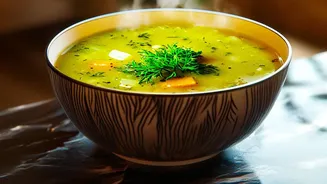
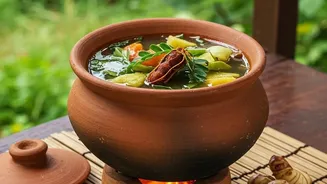
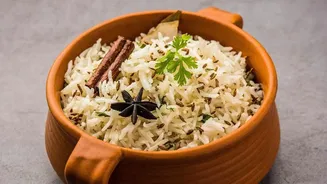
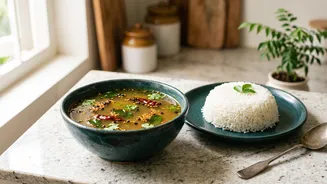
Pepper rasam is incredibly versatile. The most classic way to enjoy it is mixed with hot, steamed rice. A small amount of rasam is poured over the rice, often with a dollop of ghee, and eaten as one of the courses in a South Indian meal. This combination is easy to digest and deeply satisfying. Alternatively, pepper rasam can be served on its own as a simple, warming soup. Many enjoy sipping it from a tumbler or a small bowl, especially when they have a sore throat or low appetite. Whether served with rice or sipped as a broth, it provides a comforting and flavourful experience.