


The Underrated Power of Texture
For years, flavour has been the star of the culinary show. We talk about sweet, sour, salty, bitter, and umami, but we often overlook its equally important counterpart: texture. A meal that contains only soft components can quickly lead to what is known
as 'palate fatigue'. Our brains lose interest when every bite feels the same. Introducing a contrasting texture, like something crispy against a creamy base, creates a more dynamic and engaging eating experience. This interplay keeps our senses awake and makes the meal feel more complete and enjoyable.
The Science of a Satisfying Crunch
There's a psychological reason why we find crunchy foods so appealing. Research shows that the sound of a crunch is perceived by our brain as a signal of freshness and quality. Think of the snap of a fresh carrot or a crisp apple; our brains are wired to associate that sound with food that is safe and good to eat. This multisensory experience—involving taste, touch, and sound—triggers pleasure centres in the brain. The act of chewing crunchy foods can also be a stress reliever and forces us to eat more slowly, giving our brain more time to register fullness, which enhances the feeling of satiety.
A Game-Changer for Vegetarian Cooking
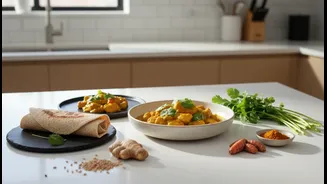
This principle of textural contrast is particularly transformative in vegetarian and vegan cuisine. Many plant-based staples, such as lentils, beans, tofu, and root vegetables, naturally lend themselves to creamy or soft preparations like stews, curries, and purées. While delicious, these dishes can sometimes lack the 'bite' or textural variety that a piece of seared meat or crispy skin might otherwise provide. By consciously adding a crunchy element, you can easily replicate that satisfying complexity, making plant-based meals more exciting and appealing to all kinds of eaters.
Your Arsenal of Crunchy Toppings
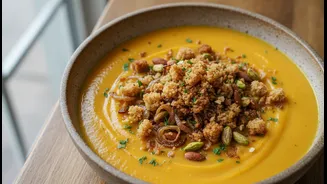
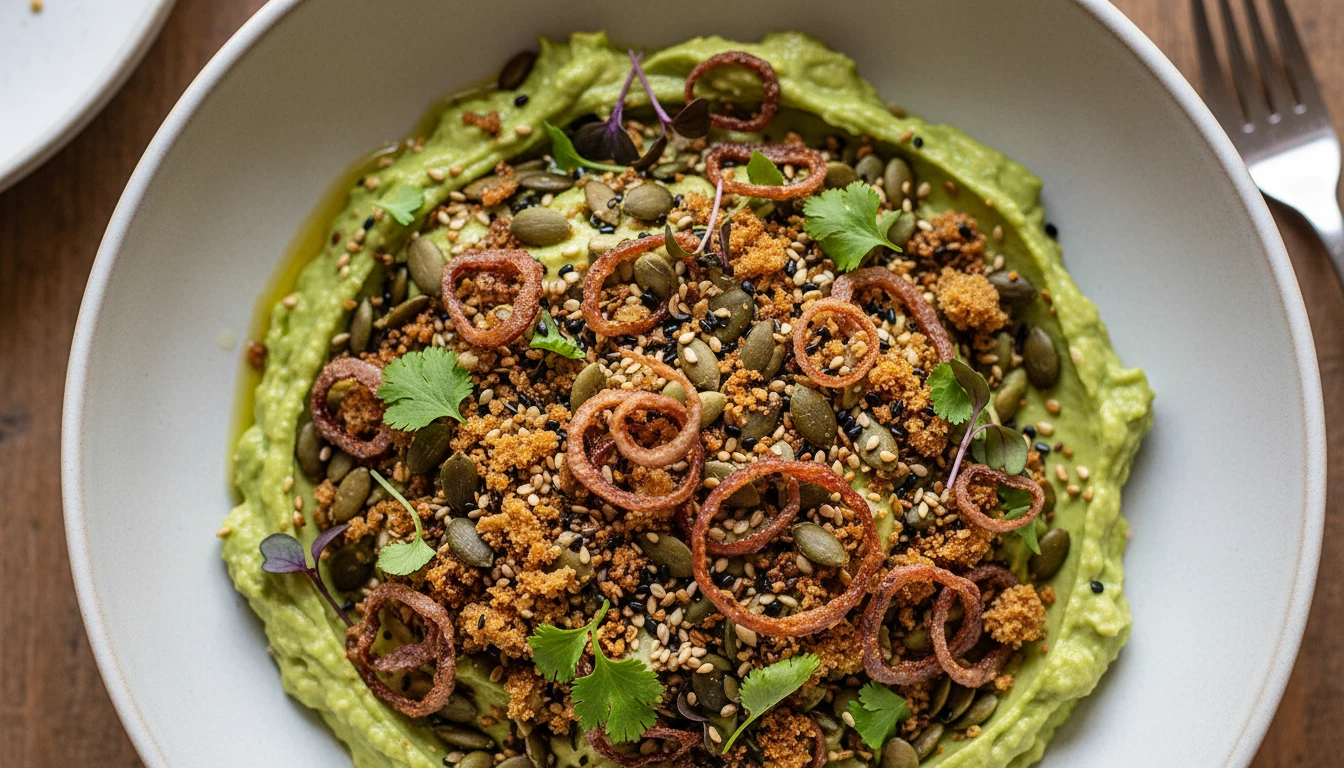
The good news is that adding crunch is simple, and you likely have many of these ingredients in your pantry already. The key is to think about a 'drizzle, a dollop, and a crunch' for every meal. For the crunch component, consider this your new toolkit: Toasted Nuts and Seeds: Almonds, walnuts, cashews, pumpkin seeds, and sunflower seeds are classics for a reason. Toasting them in a dry pan for a few minutes deepens their flavour and enhances their crunch. Roasted Chickpeas: Toss a can of chickpeas with a little oil and your favourite spices, then roast until golden and crispy. They are a fantastic, protein-packed topping for salads and soups. Crispy Onions or Garlic: Thinly sliced onions or garlic fried until golden brown add an intensely savoury crunch that works wonders on everything from dal to mashed potatoes. Pangrattato (Toasted Breadcrumbs): Don't throw away stale bread! Pulse it into coarse crumbs and toast them in a pan with a little olive oil and herbs for a classic Italian 'poor man's Parmesan' that adds texture to pasta and roasted vegetables. Crushed Papad or Tortilla Chips: For a quick fix, crumble some roasted or fried papad over a curry or lentil dish. Crushed tortilla chips do the same for a bean chilli or a loaded sweet potato.
Putting It All Together
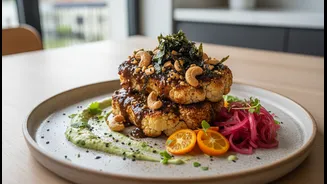
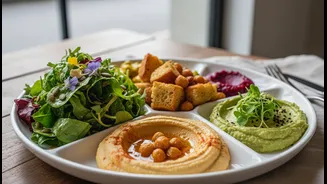
Once you start thinking in terms of texture, the possibilities are endless. Imagine a bowl of smooth hummus, not just with soft pita, but with crunchy carrot sticks and bell peppers. Picture a creamy tomato soup elevated with herbed croutons. A simple bowl of dal makhani becomes a feast with a garnish of crispy fried onions. A rich and creamy palak paneer finds its perfect partner in a crispy, shattered piece of papad on the side. Even a simple vegetable stir-fry can be made more interesting with a final sprinkle of toasted sesame seeds or cashews. The goal is to build layers of texture just as you would build layers of flavour.