



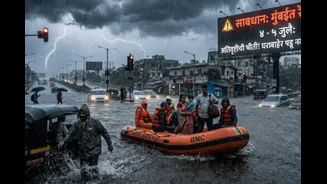


What an Orange Alert Means for Your Commute
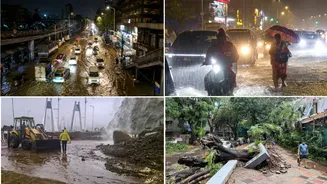
An Orange Alert from the IMD is a signal to 'be prepared'. It indicates the likelihood of heavy to very heavy rainfall (between 115.6 mm to 204.4 mm in 24 hours), which can disrupt daily life significantly. For office-goers, this translates to a high
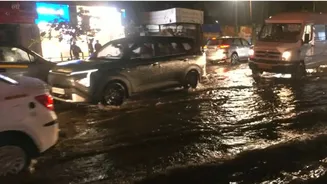
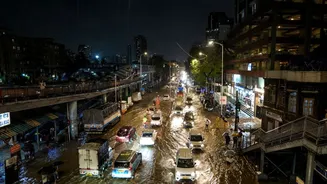
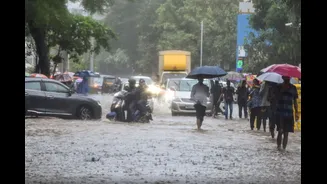
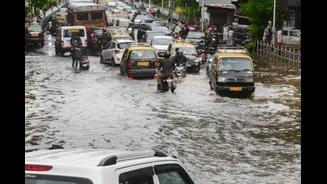
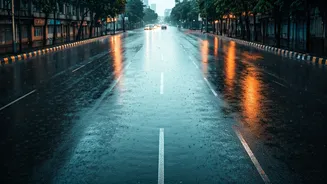
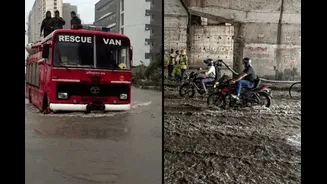
probability of waterlogged roads, especially in low-lying areas, which in turn causes severe traffic snarls. Public transport, including local trains and BEST buses, often faces delays, diversions, or cancellations. Train tracks can get submerged or damaged, leading to service suspensions, as recently seen on the Trans-Harbour line. The authorities, including the BMC, are on high alert, but the sheer volume of rain can overwhelm city infrastructure, making a planned approach to travel essential.
Your Pre-Travel Digital Checklist
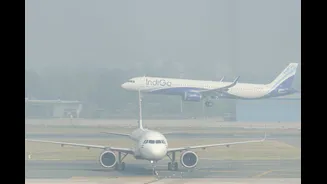
Before stepping out, a digital check is non-negotiable. Start by monitoring official updates. The IMD and BMC regularly post advisories on their social media handles. For real-time traffic updates, apps like Google Maps or Waze can show waterlogged areas and congestion. The Mumbai Traffic Police's social media channels are also a valuable source of information on diversions. For local train commuters, the 'Yatri' app provides live tracking and announcements regarding delays or cancellations on Central, Western, and Harbour lines. Several airlines also issue travel advisories during heavy rain, so check with your carrier if you have a flight to catch. Having these resources at your fingertips allows you to make an informed decision on whether to travel and which route to take.
Navigating Public Transport: Trains and Buses
Mumbai's local trains are its lifeline, but they are also vulnerable during heavy rains. Delays of 15-20 minutes are common, but services can also be suspended entirely on certain sections. If you must travel by train, try to avoid peak hours, which are chaotic even on a normal day. Keep an eye on platform indicators and listen to announcements. BEST buses are often a reliable alternative, but many routes are diverted to avoid flooded streets. Live tracking apps can help you find an operational bus. If possible, consider the Metro, as its elevated corridors are less susceptible to waterlogging, though expect larger crowds as people shift from road and rail. In any scenario, budget extra time—potentially an hour or more—for your journey.
For Those Driving or Riding
Driving a car or riding a two-wheeler during an Orange Alert is particularly challenging. Waterlogged subways like those in Andheri or Mulund are best avoided entirely. Visibility is often poor, and submerged potholes can cause accidents or vehicle damage. If you must drive, stick to major arterial roads that are less prone to flooding, like the Western Express Highway, but be prepared for slow-moving traffic. Ensure your vehicle is monsoon-ready with functional wipers, good tire tread, and effective brakes. For two-wheeler riders, a high-quality raincoat and waterproof gear are essential for safety and comfort. Always prioritise safety over speed and be wary of other vehicles that may have compromised visibility.
The Work-From-Home Option
In the face of a severe weather alert, the safest commute is often no commute at all. Many companies in Mumbai now have official work-from-home (WFH) policies for days with heavy rain warnings. Check your company's policy or speak with your manager or HR department. Citing the IMD's Orange or Red alert can be a valid reason to request remote work. Prioritising employee safety is a standard practice for most modern workplaces. If your role allows for it, exercising the WFH option not only ensures your personal safety but also helps reduce traffic congestion, making it easier for essential service workers to travel.
Your Office Monsoon Kit
Seasoned Mumbaikars know the value of a good monsoon kit. It’s wise to keep a spare set of clothes, including socks and a small towel, at your workplace. This allows you to change out of drenched clothes upon arrival, ensuring comfort and professionalism. A waterproof bag or even simple plastic bags are crucial for protecting your laptop, phone, and important documents. A power bank is a lifesaver, as long commutes and potential power cuts can drain your phone's battery. Finally, sturdy waterproof footwear is essential—something that grips well and dries quickly is far better than expensive shoes that will be ruined.