
Setting Up for Success
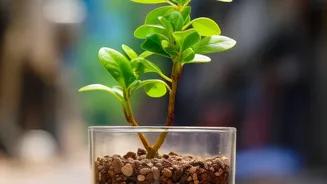
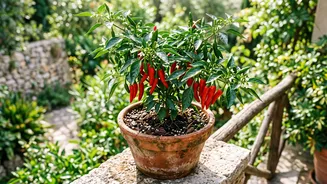
Your journey begins with the right foundation. Chilli plants dislike waterlogged soil, so choose a pot that is at least 8 to 10 inches deep with plenty of drainage holes. Terracotta or earthen pots are excellent choices. For the soil, a well-draining
and nutrient-rich mix is crucial. A proven recipe for Indian conditions is to combine garden soil, compost, and cocopeat. A good starting ratio is 40% garden soil, 30% compost, and 30% cocopeat. This blend provides structure, feeds the plant, and ensures the roots don't rot. You can start with seeds from a dried chilli or make it easier by purchasing a healthy seedling from a local nursery.
Care and Nurturing
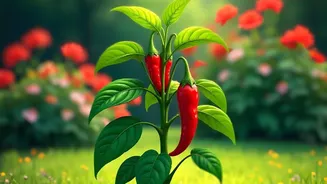
Thai chillies love the sun. Find a spot on your balcony or terrace that receives at least six hours of direct sunlight daily. Water your plant deeply every two to three days, allowing the soil to dry out slightly between waterings. Overwatering is a common mistake, especially once the plant begins to fruit. To encourage a bushier plant with more branches—and therefore more chillies—pinch off the growing tip when the plant is about six inches tall. You can also feed your plant every four to six weeks with a balanced organic fertiliser to support its growth. As the plant matures, pruning some lower leaves can improve airflow and help prevent disease.
Knowing When to Harvest
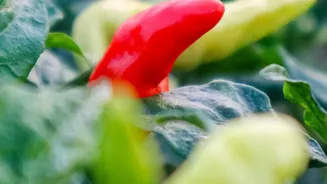
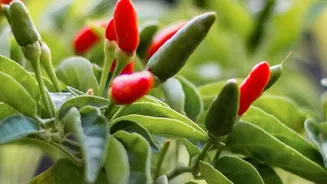
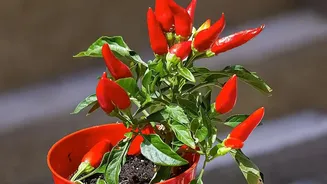
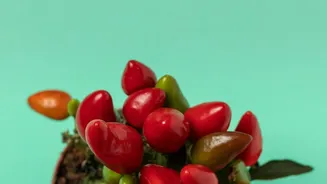
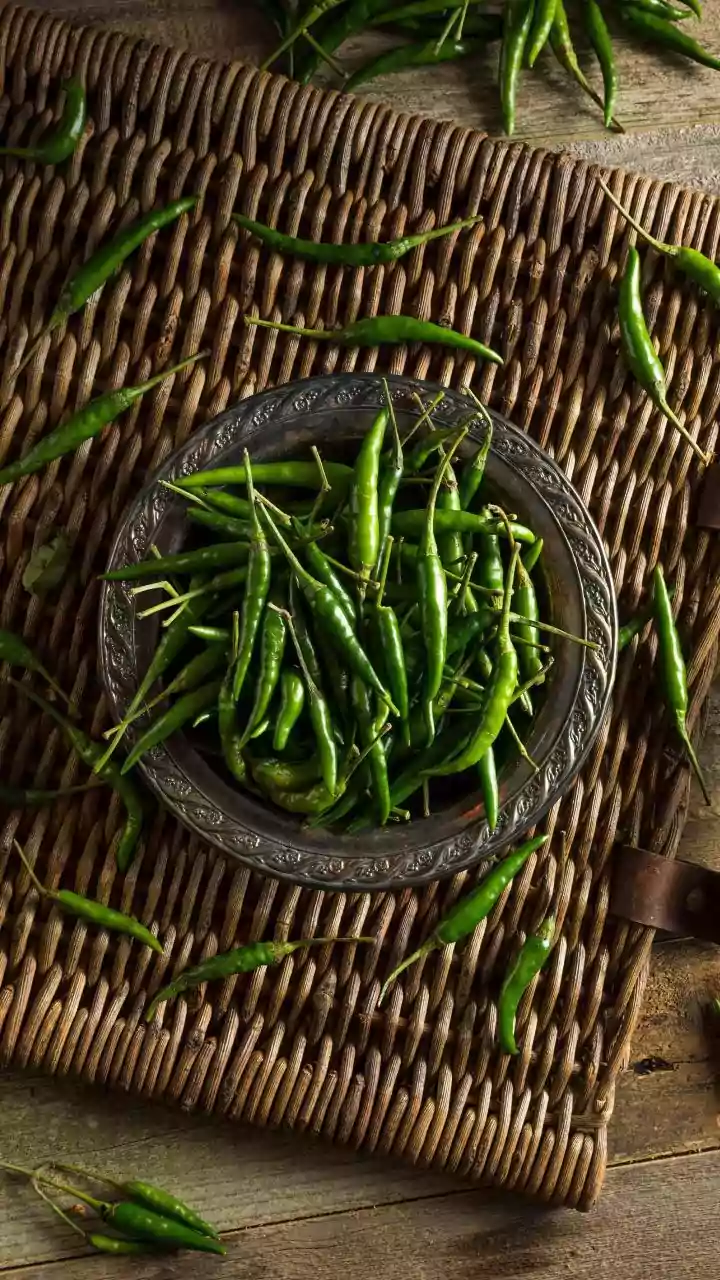
The most exciting part is seeing your chillies ripen. Thai chillies can be picked when green, but for the best flavour and maximum heat, wait for them to mature. The most obvious sign of ripeness is colour. Most Thai chillies start green and transition to a vibrant, fiery red. This colour change signals that they have developed their full, complex flavour. A ripe chilli will also feel firm and glossy, and the pod will feel full. An under-ripe chilli often feels hollow. Another good sign is how easily it comes off the plant; a ripe chilli should detach with a gentle pull or twist.
The Art of Picking Chillies
Once your chillies are ripe, it's time to harvest. While a ripe chilli might snap off easily, it's best to use a pair of small scissors or garden snips to cut the stem. Pulling them off by hand can damage the delicate branches of the plant, potentially harming future growth. Regular harvesting is key to a productive plant. Picking the fruits as they ripen encourages the plant to produce more flowers, leading to a continuous supply of chillies throughout the season. A healthy plant can produce hundreds of small peppers in a single season, so don't be shy about picking them often.
Storing Your Fiery Harvest
You will likely end up with more chillies than you can use at once. Freshly picked chillies can be stored in an airtight bag or container in the refrigerator for one to two weeks. For longer-term storage, you have several great options. One of the easiest methods is freezing; simply wash, dry, and place the whole chillies in a freezer bag. Another popular method is drying. You can string them together with a needle and thread and hang them in a dry, well-ventilated area until they are brittle. These dried chillies can be stored in an airtight container for months and used whole or ground into flakes.