






The Superfood Trend Overload
For the last decade, we’ve been told that wellness comes in expensive packets of chia seeds, goji berries, and avocados. Our social media feeds are flooded with smoothie bowls and salads that look more like a global grocery list than a daily meal. While
these foods have their benefits, the relentless marketing has created a sense of pressure. Are we not eating 'healthy' unless we sprinkle our dal with flaxseed or swap our rotis for quinoa? This chase for the exotic 'superfood' has made us overlook the nutritional powerhouses growing right in our own backyards, often for a fraction of the cost.
Rediscovering Ancient Wisdom
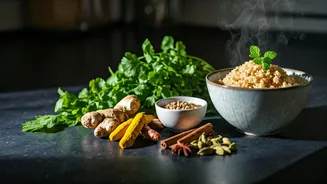
The irony is that this 'new' secret isn't new at all. It's a practice deeply embedded in Indian culture and traditional medicine. Our grandmothers and their mothers before them lived by this principle without ever calling it a trend. Ayurveda has a dedicated concept for it: Ritucharya, which translates to a seasonal regimen. This ancient science advises specific diets and lifestyle habits for each season to help the body adapt, prevent illness, and maintain balance. What we are now calling 'seasonal eating' is simply a return to this intuitive, time-tested wisdom—a gentle rebellion against the one-size-fits-all global diet.
Why Seasonal Is Simply Superior
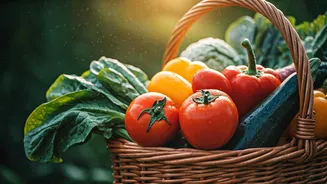
But is a seasonal carrot really better than one flown in from another country? The answer is a resounding yes. When fruits and vegetables are allowed to ripen naturally on the vine or in the ground and are picked at their peak, they are more flavourful and packed with a higher concentration of vitamins, minerals, and antioxidants. Produce that travels long distances is often harvested prematurely and artificially ripened, which compromises its nutritional value. Furthermore, eating seasonally means you are giving your body exactly what it needs at the right time. Think cooling cucumbers in the summer heat and warming root vegetables during the winter chill. It’s nature’s own intelligent meal plan.
A Taste of India's Seasons
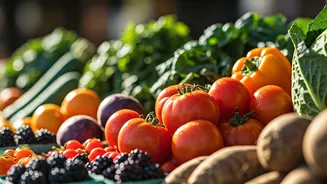
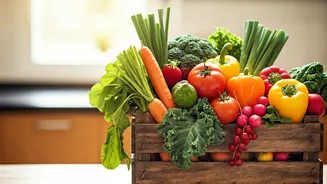
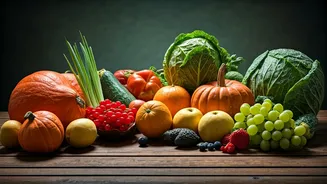
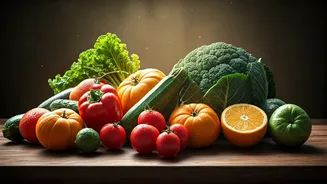
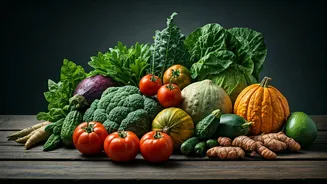
So, what does seasonal eating look like in India? It’s a vibrant, ever-changing menu. During the humid monsoon, our markets are filled with gourds like lauki (bottle gourd) and tori (ridge gourd), along with corn (bhutta) and tart jamun—all great for boosting immunity. As winter arrives, it brings a bounty of leafy greens like sarson (mustard greens) and spinach, vibrant carrots and beetroots, and citrus fruits like oranges and amla, which are rich in Vitamin C. Then comes summer, with its glorious gift of mangoes, hydrating watermelons, and cooling cucumbers. Each season offers its unique palette of flavours and nutrients, perfectly designed to help us thrive.
More Than Just Personal Health
Choosing seasonal produce has a positive ripple effect that extends beyond your own body. Environmentally, it means a smaller carbon footprint, as the food doesn't require extensive transportation, refrigeration, and artificial preservation. Economically, it's a direct investment in our local communities. When you buy what’s in season from your local sabziwala or at the farmers' market, you are supporting the livelihoods of local farmers and contributing to a more sustainable and resilient food system. It’s a simple choice that benefits your health, your wallet, and the planet.
Simple Steps to Start Today
Getting started is easier than you think. You don't need a complicated chart or an app. The best guide is your local vegetable vendor. Ask them what’s fresh, what’s local, and what’s tasting best right now. Observe what’s available in abundance and at a lower price—that’s usually a clear sign of what’s in season. Start by planning one or two meals a week around a seasonal hero. Challenge yourself to try a vegetable you haven't eaten in a while. This small shift in perspective can transform your relationship with food, making cooking and eating a more mindful and joyful experience.