




The Protein Puzzle in Indian Diets
Protein is an essential building block for our bodies, crucial for everything from muscle repair and energy levels to a strong immune system. Many Indian adults need around 0.8 to 1.0 grams of protein per kilogram of body weight daily, but studies suggest
a widespread protein gap, with many people consuming less than required. While Indian diets are often rich in carbohydrates, the power of plant-based protein is sometimes underestimated. The good news is that you don't need expensive supplements or a complete dietary overhaul. By focusing on everyday staples, you can easily bridge this gap.
Dal: The Everyday Protein Powerhouse
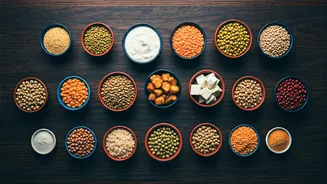
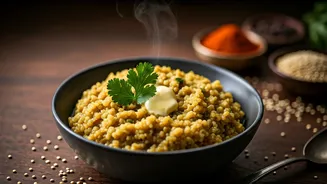
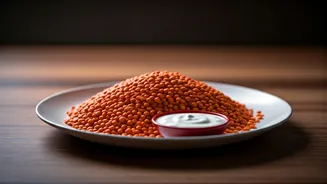
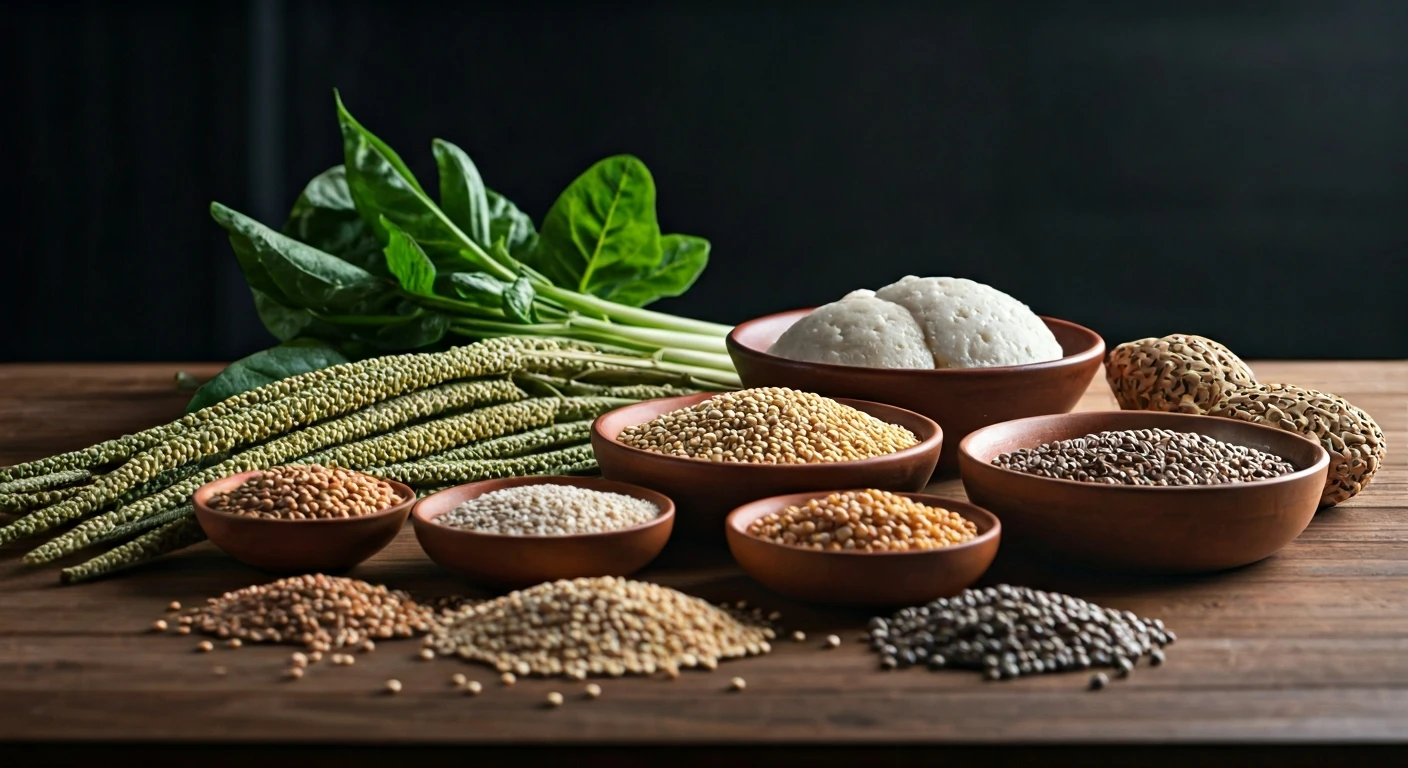
Dal is the cornerstone of comfort food in India for a reason. It's affordable, versatile, and an excellent source of plant-based protein. While protein content varies slightly, most common dals are nutritional champions. For every 100 grams of raw dal, you can expect a significant protein boost: Urad dal leads with about 25 grams, while masoor and moong dal offer around 24 grams. Toor (Arhar) and Chana dal are also robust sources, providing about 21-22 grams. A single bowl of cooked dal typically provides between 7 to 12 grams of protein, making it a simple and effective way to contribute to your daily needs.
The Smart Science of a Complete Meal
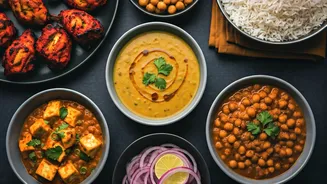
One of the smartest features of traditional Indian cuisine is its inherent understanding of nutritional science. Most plant-based proteins are 'incomplete', meaning they lack one or more of the nine essential amino acids our bodies can't produce. Dals, for instance, are typically low in the amino acid methionine but rich in lysine. Grains like rice and wheat, on the other hand, are low in lysine but contain methionine. When you pair dal with rice or roti, you are combining two incomplete proteins to create a 'complete' protein profile, providing your body with all the essential amino acids it needs. This classic dal-chawal combination is not just comfort food; it's a nutritionally complete meal.
Dahi: The Probiotic-Packed Partner
Dahi, or curd, is another powerhouse hiding in plain sight. While it's a good source of protein, with homemade curd providing 3-4 grams per 100g and thicker Greek yogurt offering nearly 10 grams, its benefits go further. Dahi is packed with probiotics, the beneficial bacteria that support a healthy gut. A healthy digestive system is crucial for absorbing all the nutrients from your food, including the protein from your dal. The probiotics in dahi can improve digestion and soothe the stomach, making it an ideal companion to a hearty meal. Enjoying a bowl of dahi or a simple raita alongside your dal and rice enhances not just the flavour but the overall nutritional benefit of your plate.
Building a Better Protein Plate
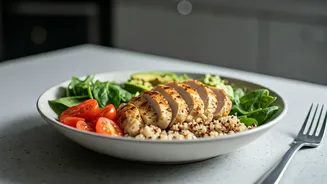
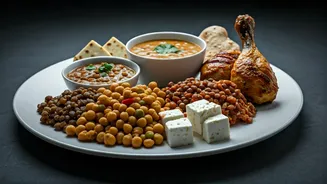
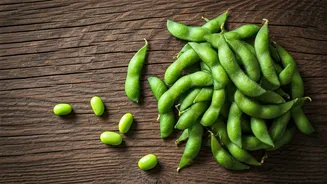
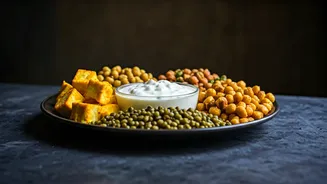
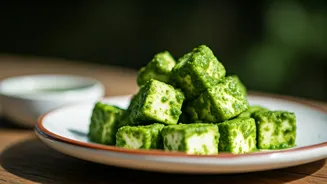
With dal and dahi as your foundation, building a high-protein plate becomes simple. Aim to include a bowl of dal in at least one or two meals daily, ensuring it's cooked to a moderate thickness rather than being watery to retain its protein density. Pair it with roti or rice to ensure a complete amino acid profile. Add a side of dahi to aid digestion and add another layer of protein. To further boost your intake, consider adding other protein-rich vegetarian foods. Tossing some paneer cubes into your sabzi, sprinkling roasted nuts or seeds over your dal, or adding sprouts to a side salad are all easy ways to elevate your meal's protein content without extra effort.