

Know When and Where to Look
The Orionid meteor shower will be active from early October to early November, but the best time to watch is during its peak. For 2026, the peak is expected on the night of October 21st and into the early morning of October 22nd. The meteors will appear
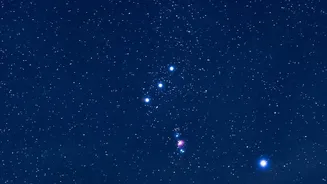
to radiate from the constellation Orion, the Hunter, which will be visible in the eastern sky after midnight. However, you don't need to stare directly at Orion; the meteors can appear anywhere in the sky. In fact, looking about 45 degrees away from the radiant can often result in seeing longer and more dramatic streaks.
The Challenge: A Bright Moon
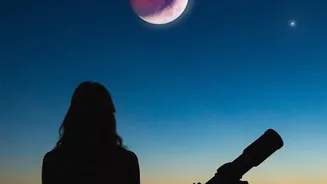
In 2026, viewing the Orionids comes with a significant challenge: a bright waxing gibbous moon. On the peak night, the moon will be about 80% full, and its glare will wash out many of the fainter meteors for most of the night. This is the biggest hurdle for stargazers this year. But don't let that discourage you. There is a specific window of opportunity for prime viewing. The key is to wait for the moon to set, which will happen around 3 a.m. local time. This creates a period of true darkness between moonset and the start of dawn, giving you the best chance to see the shower.
Escape the City Lights
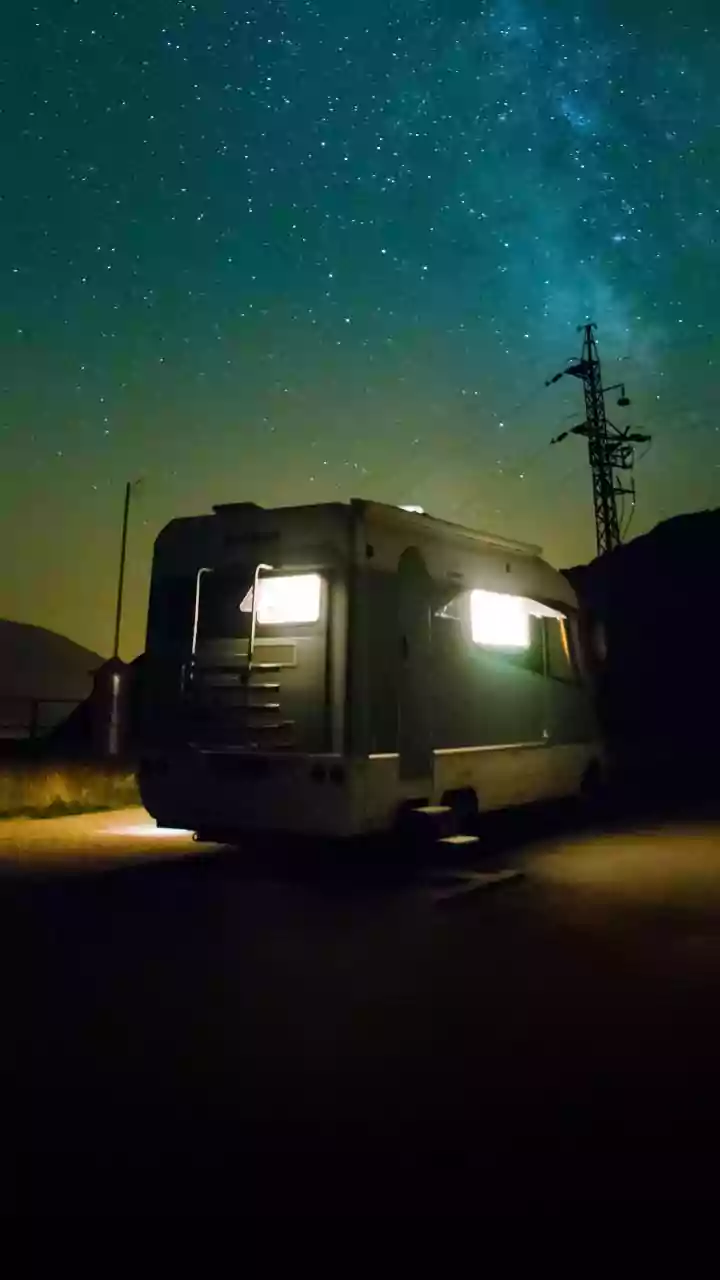
For any stargazing activity, light pollution from cities is your main enemy. The glow from streetlights, buildings, and homes can drastically reduce the number of meteors you can see. To truly experience the shower, plan a trip away from the city. Even a 30 to 60-minute drive to a darker, more rural location can make a huge difference, potentially doubling the number of meteors you'll spot. Look for open fields, parks, or elevated spots with a clear, wide view of the sky, far from the bright domes of light that hang over metropolitan areas across India.
Give Your Eyes Time to Adjust
Once you’ve found your dark spot, your most important tool is patience. Your eyes need at least 20 to 30 minutes to fully adapt to the darkness. During this time, your pupils will dilate, allowing you to see much fainter objects in the sky. The single most common mistake is checking your phone. The bright light from a screen, even for a second, can ruin your night vision and reset the adaptation process. So, put your phone away, sit back, and let the universe slowly reveal itself.
Dress for Comfort, Not for Speed
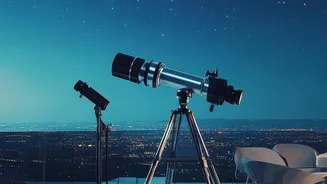
Meteor watching is a waiting game. You will be sitting still for a long time, and even on a pleasant night, it can get chilly in the pre-dawn hours. Dress in warm layers and bring a blanket or a comfortable reclining chair. A warm drink in a flask can also make the experience much more enjoyable. You don’t need any special equipment like a telescope or binoculars; the naked eye is best for watching meteor showers because you want the widest possible field of view. The goal is comfort, so you can relax and simply look up.
Embrace the Ebb and Flow
Meteor showers are not a constant downpour. They come in spurts and lulls. You might see a few meteors in quick succession, followed by a quiet period with nothing for several minutes. This is normal. Under ideal dark sky conditions, the Orionids can produce about 15 to 20 meteors per hour, but with the moonlight this year, the numbers might be lower. The key is to remain patient and keep looking up. The reward is witnessing streaks of light created by dust from Halley's Comet, particles that have traveled through space for centuries before burning up in our atmosphere in a fleeting, beautiful moment.