




What Is the Core Guidance?
The foundation of India's school meal program, now called Pradhan Mantri Poshan Shakti Nirman (PM POSHAN), is not about mandating specific food items, but about meeting nutritional targets. The central government sets the benchmarks for calories and protein,
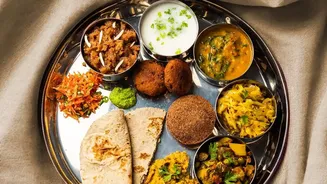
but leaves the menu planning to individual states and Union Territories. For primary school children (classes I-V), each meal should provide approximately 450 calories and 12 grams of protein. For upper primary students (classes VI-VIII), the targets are higher: 700 calories and 20 grams of protein. This framework, a long-standing feature of the scheme that replaced the Mid-Day Meal Scheme in 2021, is designed to be adaptable. States are actively encouraged to create menus that suit local tastes, use seasonal produce, and procure ingredients like millets and vegetables from local growers.
Explaining 'Equivalent Replacements'
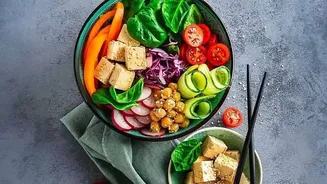
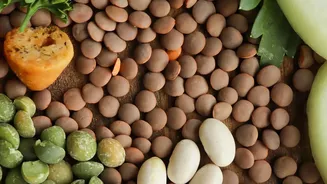
The term 'equivalent ingredient replacements' simply means substituting one food item for another while ensuring the nutritional value of the meal remains the same. This principle is at the heart of the flexibility given to states. For example, if a certain type of dal (pulse) is unavailable or expensive, a school can use a different type of dal as long as the protein requirement is met. The most common public debate around this topic involves eggs. While eggs are a cost-effective source of high-quality protein, they are not a mandatory part of the PM POSHAN scheme. States where eggs are not culturally accepted or are difficult to procure can provide alternatives like milk, bananas, paneer, soy products, or groundnuts to meet the protein guidelines. The focus is on the outcome—the final calorie and protein count—rather than a rigid, one-size-fits-all ingredient list.
Why Flexibility Is Built In
This flexibility is crucial for a program that serves over 118 million children across a country as diverse as India. It allows states to adapt to several real-world factors. One major reason is managing supply chains and costs. For instance, if the market price of a specific vegetable or eggs rises sharply, schools can substitute it with a more affordable but equally nutritious local alternative, as seen in states like Karnataka. This prevents disruption to the meal service. The policy also promotes local agriculture and food habits. By encouraging the use of locally grown millets, vegetables, and other produce, the scheme supports local economies and ensures that the food served is familiar and culturally appropriate for the children. This approach can also lead to more diverse and interesting menus, incorporating regional recipes and ingredients.
The Challenge of Ensuring Nutritional Value
While flexibility is a strength, it also presents a challenge: ensuring that 'equivalent' truly means equivalent in nutritional terms. Simply swapping one protein source for another might not account for the full range of micronutrients—vitamins and minerals—that different foods provide. Nutrition experts caution that while alternatives like paneer are good sources of protein, they may not offer the same profile of micronutrients as eggs, which are rich in vitamin B12 and vitamin D. To address this, the PM POSHAN guidelines also specify minimum quantities of food groups, such as food grains, pulses, and vegetables, to ensure a balanced meal. Furthermore, there is a push towards quality control, with guidelines specifying the use of AGMARK-certified ingredients and rules for safe storage and handling to prevent contamination. Some states also provide additional supplementary nutrition and use flexi-funds to establish school nutrition gardens, further diversifying the meals with fresh produce.