






The Daily Ritual of Supplements
For many, the day begins not with a cup of tea, but with a collection of capsules and tablets. Vitamins, minerals, and herbal extracts have become a cornerstone of modern wellness routines, promising everything from a stronger immune system to glowing
skin and healthier hair. This trend, especially popular in India post-pandemic, is driven by a desire for a quick and easy health boost. Many people self-prescribe supplements based on social media trends or advice from friends, believing they are taking a shortcut to better health. The market is flooded with options, from multivitamins to specialised formulas, all promising to fill the nutritional gaps in our busy lives. However, this convenience often comes with questions about effectiveness and safety that are worth asking.
The Hidden Downsides of Pills and Powders
While supplements can be beneficial for specific, diagnosed deficiencies, their widespread, unsupervised use has potential risks. The supplement industry is not as strictly regulated as pharmaceuticals, which can lead to issues with product purity, incorrect labelling, and even contamination with unlisted ingredients. Furthermore, the body doesn't always absorb nutrients from isolated supplements as efficiently as it does from whole foods. Nutrients in food exist in a complex matrix with fibre, enzymes, and other compounds that work together to enhance absorption. Overconsumption is another major concern. Taking high doses of fat-soluble vitamins like A, D, E, and K can lead to toxicity because they are stored in the body's tissues, potentially causing issues from nausea to liver damage. In India, doctors have reported seeing patients with stomach cramps, kidney stones, and other issues linked to the excessive intake of over-the-counter supplements.
The Natural Power of Mosambi Juice
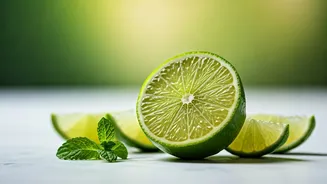
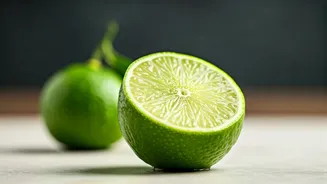
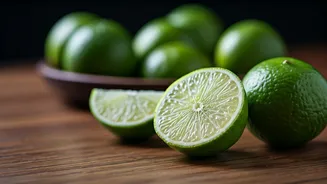
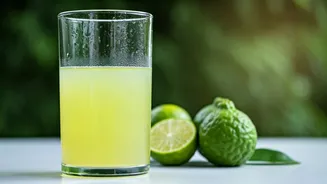
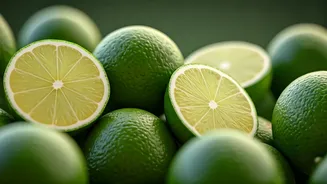
This is where the humble sweet lime, or mosambi, enters the picture. A beloved beverage across India, fresh mosambi juice is a nutritional powerhouse. It is packed with Vitamin C, a potent antioxidant that strengthens the immune system and is essential for collagen production, which keeps skin firm and healthy. Beyond Vitamin C, sweet lime juice provides potassium, which supports heart health, and helps with hydration by replenishing fluids and electrolytes. Unlike isolated supplements, the nutrients in mosambi juice are delivered in their natural form, surrounded by other beneficial compounds like flavonoids, which may aid in how the body uses them. Studies have shown that Vitamin C can be more effectively absorbed by the body from juice compared to a supplement.
A Reality Check on Juice Packets
The headline specifically mentions "sweet lime juice packets," and this is an important distinction. While fresh juice offers a wealth of benefits, packaged juices can be a different story. Many commercially available fruit juices, including those in tetra packs, are high in added sugars. These added sugars can negate many of the health benefits and, over time, contribute to health risks like obesity and diabetes. Additionally, the processing and storage of packaged juices can degrade some of the valuable vitamins and minerals. When reaching for a convenient packet, it's crucial to read the label. Look for options that say "100% juice" with no added sugar, and be wary of products with long ingredient lists that include preservatives and artificial sweeteners. While better than a sugary soda, the best choice remains freshly squeezed juice whenever possible.
The Verdict: Food First, Not Food Only
So, should you ditch all your supplements for sweet lime juice tonight? Not necessarily. The most sensible approach is "food first." Your primary source of nutrients should always be a balanced diet rich in whole foods like fruits, vegetables, and grains. A glass of fresh mosambi juice is an excellent way to get a bioavailable dose of Vitamin C and stay hydrated. It can certainly be a healthier and more effective choice than a synthetic Vitamin C pill for general wellness. However, supplements still have a critical role to play. They are essential for treating diagnosed deficiencies, such as low iron or Vitamin D, and for certain life stages like pregnancy when nutritional needs are higher. The key is to use supplements to supplement a healthy diet, not to replace it, and always under the guidance of a healthcare professional who can assess your individual needs.