


Ladakh's Rain Shadow Secret
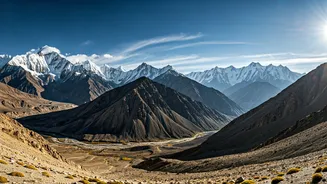
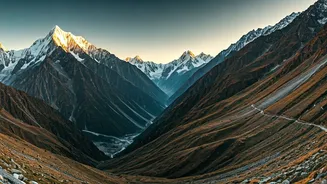
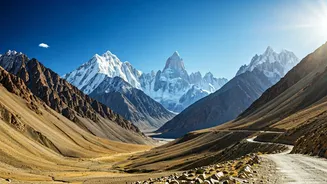
Ever wondered how one part of the country can be gloriously dry while the rest is navigating downpours? The answer lies in geography. Ladakh is situated in a trans-Himalayan rain shadow zone. The towering peaks of the Pir Panjal and Great Himalayan ranges
act as a colossal barrier, blocking the moisture-laden monsoon clouds from ever reaching this cold desert. While cities from Mumbai to Kolkata are under grey skies from June to September, Ladakh enjoys its peak summer season. This means clear, sunny days and comfortable temperatures, making it the ideal time for sightseeing and adventure. You get to swap your raincoat and umbrella for sunglasses and sunscreen.
Leh: Your Acclimatisation Hub
Your journey into this magical land will almost certainly begin in Leh, the region's largest town. At an altitude of over 11,500 feet, taking it easy here is not just a suggestion—it's a necessity. The first day or two should be dedicated to acclimatisation to prevent Acute Mountain Sickness (AMS). This is your chance to explore Leh at a leisurely pace. Stroll through the bustling main bazaar, filled with Tibetan handicrafts and Ladakhi souvenirs. Visit the serene Shanti Stupa for a panoramic sunset view over the valley, or climb the steps to the historic Leh Palace, a nine-storey royal residence that offers a glimpse into the region’s past. Use this time to drink plenty of water, savour local butter tea, and simply adjust to the thin, crisp air.
Otherworldly Landscapes Beyond the Town
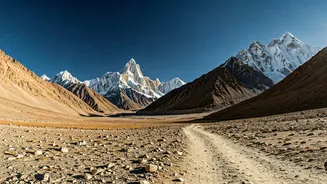
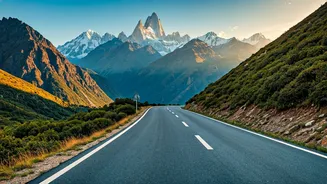
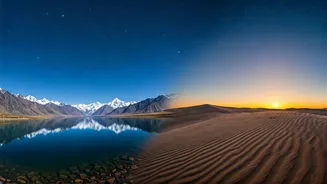
Once acclimatised, Ladakh's true treasures await. A road trip here is an experience in itself, with every turn revealing a new, jaw-dropping vista. One of the most iconic journeys is to Pangong Tso, the world-famous high-altitude lake that dramatically changes colour from azure to turquoise throughout the day. The drive itself, via the formidable Chang La pass, is part of the adventure. Another must-visit is the Nubra Valley, accessed via Khardung La, one of the world's highest motorable passes. Here, you'll find a surreal landscape of sand dunes nestled between snow-capped mountains. Don't miss the chance to ride the unique double-humped Bactrian camels, a relic from the old Silk Road trade routes.
A Haven for Adventure and Serenity
Ladakh offers a perfect blend of thrill and tranquility. For adrenaline junkies, there's white-water rafting on the Zanskar and Indus rivers, with rapids ranging from gentle to challenging. Numerous trekking routes open up in summer, from short day hikes around Leh to multi-day expeditions like the Markha Valley trek. But if peace is what you seek, Ladakh's ancient Buddhist monasteries (gompas) are your sanctuary. Visit the magnificent Thiksey Monastery, often called 'Mini Potala' for its resemblance to the palace in Lhasa. Experience the spiritual energy at Hemis, the region's wealthiest monastery, or listen to the calming chants of monks at Diskit Monastery in Nubra Valley. These spiritual hubs offer a profound sense of calm against a backdrop of stark, powerful beauty.
Essential Tips for Your Trip
Planning is key to a successful Ladakhi adventure. The best time to visit for this monsoon escape is from late May to early September. You can fly directly into Leh's Kushok Bakula Rimpochee Airport from major Indian cities, which is the fastest way to get there. Alternatively, the scenic but long road trips from Manali or Srinagar are legendary. Regardless of how you arrive, remember acclimatisation is non-negotiable. Pack layers of clothing, as the temperature can fluctuate dramatically between a warm, sunny afternoon and a cold night. Sunscreen, sunglasses, and a wide-brimmed hat are essential due to the high UV intensity at this altitude. Finally, carry any personal medications and a basic first-aid kit.