




The Dangers of Prohibited Dyes
To cut costs and make sweets look more appealing, some unscrupulous vendors use industrial-grade, non-permitted dyes instead of safer, food-grade colours. Two of the most common culprits found in Indian sweets are Metanil Yellow and Rhodamine B. Metanil Yellow provides
a bright, yellow hue but is a non-permitted azo dye linked to neurotoxicity and damage to vital organs like the liver and kidneys with long-term consumption. Rhodamine B, a textile dye used for its fluorescent pinkish-red colour, is banned in food because it is considered a potential carcinogen and can cause severe oxidative stress on the body's cells.
Prioritise FSSAI-Certified Vendors
Your first line of defence is choosing where you buy your sweets. Always opt for sweets from reputable shops that display a valid Food Safety and Standards Authority of India (FSSAI) license. This certification indicates that the vendor is subject to regulation and quality checks, making them more likely to adhere to safety standards regarding ingredients, including food colours. Uncertified street-side stalls or temporary festival vendors may not follow these crucial guidelines, increasing the risk of adulteration. Check for the FSSAI logo and license number at the shop premises or on packaged sweets.
Visual Clues: Trust Your Eyes
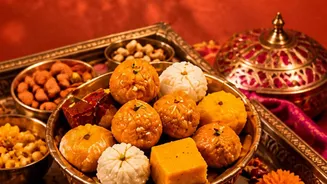
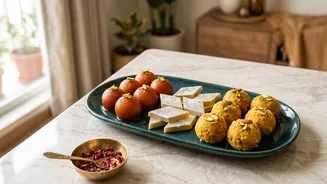
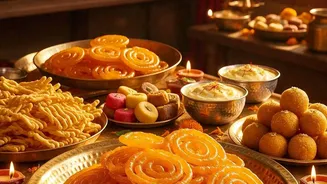
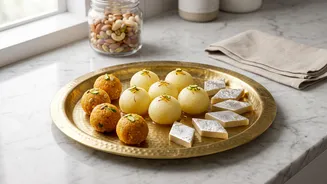
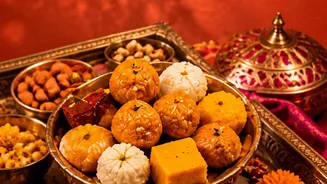
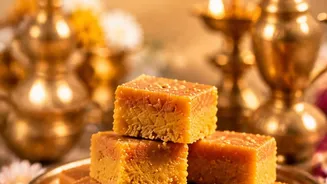
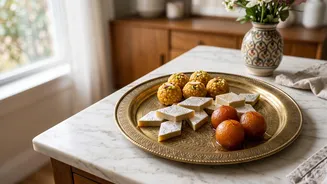
Often, your eyes can be the first judge. Natural food colours derived from ingredients like saffron, turmeric, or beetroot result in milder, more subtle shades. Be wary of sweets that appear unnaturally and intensely bright. A fluorescent yellow laddoo, a neon-pink barfi, or a shockingly green peda are major red flags. These vibrant, almost glowing colours are difficult to achieve with permitted food dyes and often signal the use of cheaper, industrial alternatives like Rhodamine B, known for its vivid hue. Pure, milk-based sweets should be white, off-white, or have a light creamy colour.
A Simple Home Test for Artificial Colours
You don't need a laboratory to raise suspicions about your sweets. The Food Safety and Standards Authority of India (FSSAI) recommends several simple tests you can perform at home. One of the easiest is the water test. Take a piece of the coloured sweet and place it in a glass of lukewarm water. If the sweet immediately starts leaching bright streaks of colour into the water, it is likely coated with an artificial dye. Naturally coloured sweets will release colour slowly, and the water will become only mildly coloured.
Detecting Specific Chemical Dyes
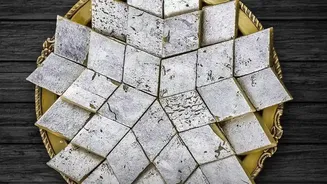
To specifically check for Metanil Yellow, a common adulterant in laddoos and other yellow sweets, you can perform a simple acid test. Mash a small portion of the sweet and add a few drops of a mild acid, like lemon juice or any household hydrochloric acid diluted with water. If the sample turns a pinkish-red, it indicates the presence of Metanil Yellow. Another common adulterant is starch, used as a cheap filler in milk-based sweets like kalakand or mawa barfi. To test for starch, boil a small sample of the sweet with some water, let it cool, and then add a drop or two of iodine solution. If the mixture turns blue-black, it confirms the presence of added starch.