



The New Standard of Comfort
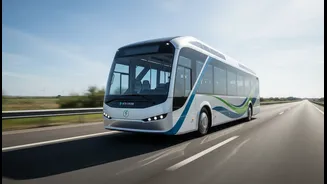
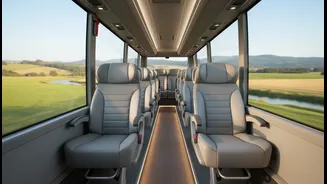
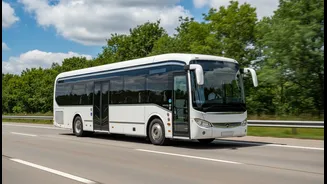
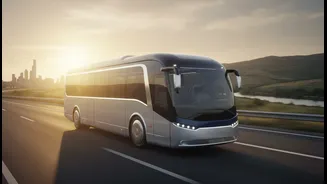
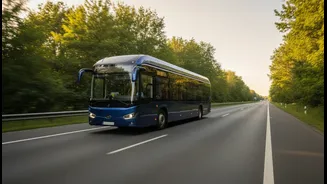
The first and most immediate differentiator for premium electric buses is the passenger experience. Unlike their diesel counterparts, electric buses offer a journey that is remarkably quiet and free of vibrations. This inherent quality of the electric powertrain
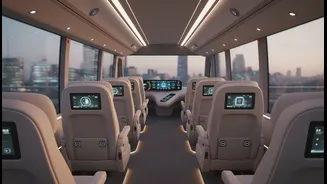
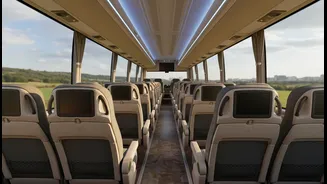
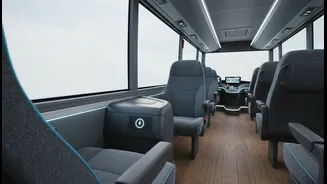
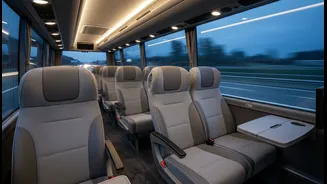
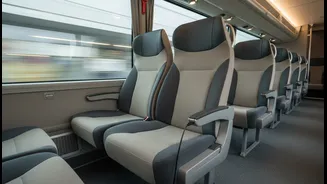
fundamentally changes the travel environment, reducing fatigue and creating a more serene atmosphere. Operators like NueGo and others are building on this by offering amenities that rival short-haul flights. Features such as spacious, reclining seats, individual USB charging ports, ambient lighting, and clean, modern interiors are becoming standard. Some services have even introduced sleeper berths, electronically controlled air suspension for a smoother ride, and onboard bio-washrooms. This focus on a superior comfort level is a deliberate strategy to attract passengers who might otherwise opt for trains or personal cars, positioning the electric bus not just as a greener choice, but a more pleasant one.
The Critical Charging Challenge
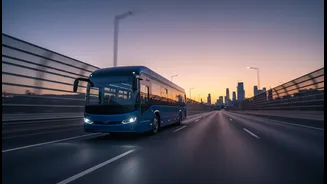
While comfort can attract a passenger once, reliability brings them back. For an electric bus, reliability is directly tied to its charging infrastructure. This is arguably the biggest operational hurdle for intercity operators in India. The challenge isn't just the availability of chargers, but their power and location. An intercity bus needs high-capacity DC fast chargers placed at strategic intervals to minimise downtime. A typical e-bus might have a range of around 350 km, which can be extended with rapid charging during scheduled halts. To manage this, operators often plan charging stops to coincide with passenger meal breaks at hygienic, well-equipped lounges. However, the lack of a widespread, interoperable highway charging network remains a significant barrier to route expansion. Operators must currently build and manage their own captive charging depots, a capital-intensive process that limits their flexibility to launch new routes spontaneously.
Punctuality is the Ultimate Promise
For the Indian intercity traveller, punctuality is paramount. The promise of reaching a destination on time is a core part of the service offering, and for electric buses, this is intrinsically linked to charging management and operational efficiency. Unplanned charging needs, technical glitches, or unavailable charging stations can quickly derail a schedule. Breakdowns have been a concern in the initial phases of e-bus deployment in some cities, highlighting the need for robust technology and maintenance protocols. To counter this, premium operators are leveraging technology. Features like live journey tracking, real-time updates for passengers, and driver monitoring systems are being used to manage schedules proactively. By limiting vehicle speeds electronically to around 80 km/h and planning routes where charging infrastructure is proven and reliable, companies aim to make their services as predictable as, or even more so than, traditional bus services. Consistency in on-time performance is crucial for building passenger trust.
Route Reliability and Network Growth
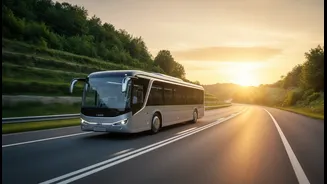
The final pillar is the reliability of the routes themselves. Currently, premium electric bus services in India are concentrated on high-traffic routes connecting major cities like Delhi-Jaipur, Bengaluru-Chennai, and Hyderabad-Vijayawada. This is a strategic choice driven by passenger demand and the feasibility of establishing a reliable charging corridor. An operator cannot simply add a new city to its network; it must first ensure that the entire route is supported by adequate charging infrastructure, maintenance support, and safe, hygienic rest stops. This makes network expansion a slow and deliberate process. The success of these initial routes is critical, as they serve as a proof-of-concept for the commercial viability of intercity electric mobility. As operators like GreenCell Mobility and others expand their fleets under government schemes like PM-eBus Sewa, the data and operational experience gained from these core routes will inform how and where the network grows next, ultimately determining if electric buses can become a pan-India travel solution.