






Defining the 'Ultra-Processed'
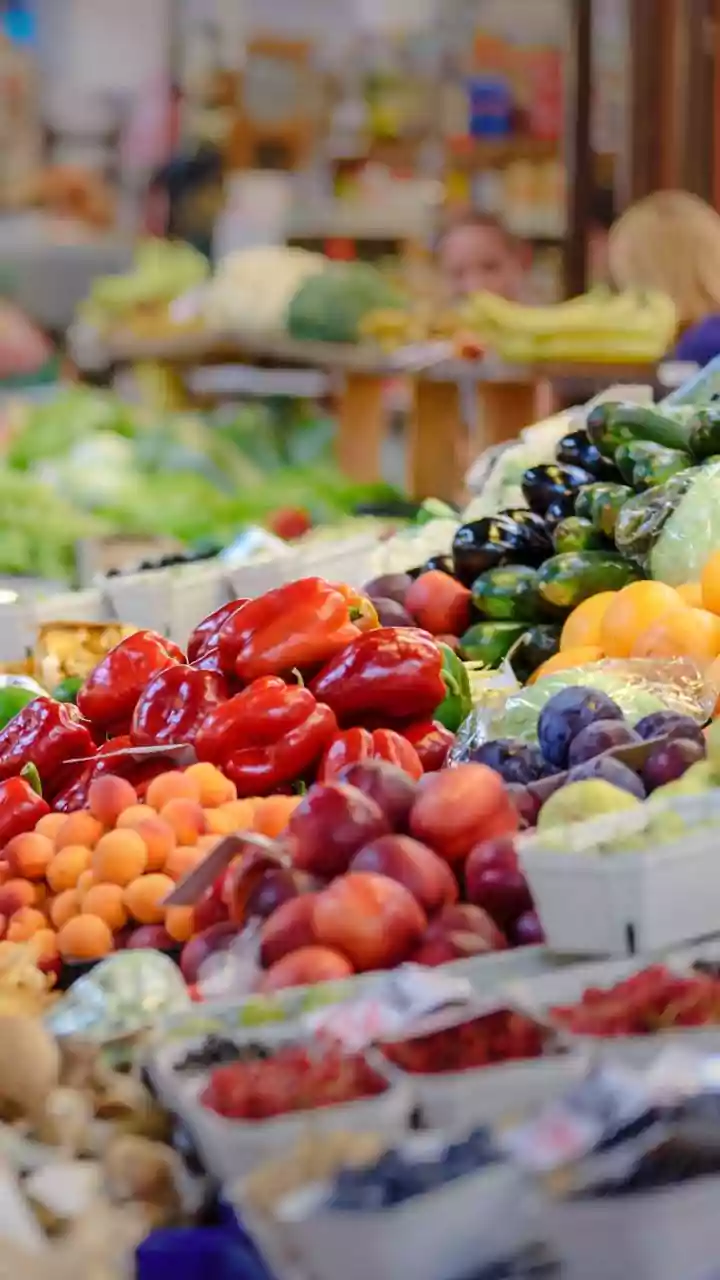
The term comes from the NOVA classification system, developed by Brazilian researchers. It doesn't focus on nutrients like fat or sugar, but on the level of industrial processing a food undergoes. The system has four groups: Unprocessed or minimally processed foods
(fruits, vegetables, eggs, milk); Processed culinary ingredients (oils, butter, salt); Processed foods (canned fish, cheese, simple breads); and Group 4, ultra-processed foods (UPFs). These are industrial formulations with five or more ingredients, often including substances you wouldn't find in a home kitchen, like emulsifiers, artificial flavours, and colours. Think packaged snacks, sugary cereals, instant noodles, and frozen pizzas.
The Rise of a New Health Concern
While the term 'ultra-processed food' first appeared in the 1980s, it only gained significant traction after a 2009 commentary by Brazilian epidemiologist Carlos Monteiro. He and his team proposed that the degree of processing was a new way to understand diet-related diseases. The idea was that these industrial formulations, designed to be hyper-palatable and convenient, were displacing whole foods and fundamentally changing dietary patterns. Subsequent large-scale studies from around the world began to link high consumption of UPFs with a host of health problems, turning this academic concept into a global public health concern.
What the Science Actually Says
The evidence linking high UPF intake to poor health is substantial. Consistent research shows strong associations with a higher risk of obesity, type 2 diabetes, heart disease, high blood pressure, and even depression and anxiety. One major review found convincing evidence linking higher UPF consumption to a roughly 50% increased risk of death related to cardiovascular disease. Researchers believe these health issues arise because UPFs are often high in calories, salt, sugar, and unhealthy fats while being low in fibre and essential nutrients. Their soft texture and engineered flavours can also lead people to eat more, more quickly, before the body's fullness signals kick in.
The Ongoing Debate
The concept isn't without its critics. Some nutrition experts argue the UPF definition is too broad and can unfairly demonise certain foods. For example, some mass-produced whole-wheat breads or plant-based meat alternatives can be classified as ultra-processed, while homemade cake would not be. The debate centres on whether the problem is the processing itself, or simply the poor nutrient profile of most UPF products. Critics suggest it's more effective to focus on limiting foods high in salt, sugar, and fat, regardless of their processing level. However, proponents of the UPF concept argue that it's the combination of industrial ingredients, loss of whole food structure, and displacement of healthier foods that truly matters for public health.
What This Means for India
This conversation is increasingly relevant in India. The market for UPFs has been growing rapidly, with a reported compound annual growth rate of over 13% from 2011 to 2021. Items like sweet biscuits, salty snacks, and instant noodles are major players. Studies show that consumption of packaged processed foods has surged over the last decade, with nearly 97% of households consuming them by 2023. While traditional Indian diets are often rich in whole foods and home cooking, the convenience and accessibility of UPFs are changing eating habits, particularly in urban areas. Interestingly, one recent study noted that consumption in North India was nearly double that of South India, highlighting regional differences in this dietary transition.