





1. Bhindi (Okra or Lady's Finger)
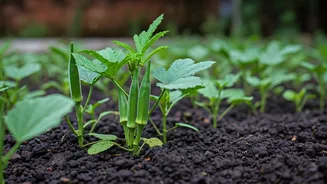
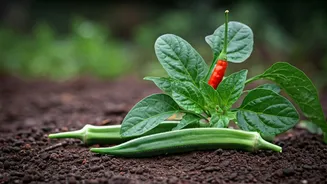
A true star of the Indian garden, Bhindi loves the warm and humid conditions of the monsoon. It's a relatively low-maintenance plant that grows quickly, often producing its first pods within 60 days of sowing. The rainy season provides the consistent
moisture Bhindi needs to produce tender, flavourful pods. Furthermore, many hybrid varieties available in India are resistant to the Yellow Vein Mosaic Virus, a common problem that can be exacerbated in damp weather. Its upright growth habit also helps with air circulation, reducing the risk of fungal diseases that can plague other plants during the damp season. **Pro Tip:** To avoid seeds rotting in constantly wet soil, sow them in small raised mounds or in well-draining pots. Ensure your soil mix includes sand or cocopeat to improve drainage and prevent waterlogging at the root level.
2. Gourds (Lauki, Turai)
Bottle Gourd (Lauki) and Ridge Gourd (Turai) are quintessential monsoon vegetables for a reason. These climbers go into overdrive with the abundant water and humidity. Their sprawling vines, covered in large leaves, can quickly cover a trellis or fence, and they are prolific producers. The high water content in gourds makes them a perfect vegetable for the season. They are also less susceptible to soil-borne diseases when grown on a trellis, as the elevation keeps the fruit and leaves off the damp ground, improving air circulation and preventing rot. This makes them an ideal choice for vertical gardening in small urban spaces. **Pro Tip:** These are heavy feeders. Before planting, enrich your soil with a generous amount of compost or well-rotted manure. Provide a strong trellis or support structure early on, as the vines grow incredibly fast once they take hold.
3. Palak (Spinach)
While many leafy greens can struggle with the intense rain, Indian spinach varieties are remarkably resilient. Palak grows incredibly fast during the monsoon, allowing for multiple harvests from the same plants. Its preference for moist soil and partial shade makes it a perfect fit for cloudy monsoon days. Unlike delicate lettuces that may rot, Palak's robust leaves can handle the rain. Growing your own also ensures you have a supply of clean, pesticide-free greens at a time when market produce can be of questionable quality due to water contamination and pests. **Pro Tip:** Plant spinach in wide, shallow containers to give the roots space without becoming waterlogged. Harvest the outer leaves first, leaving the inner leaves to continue growing. This 'cut-and-come-again' method will ensure a continuous supply throughout the season.
4. Mooli (Radish)
Radishes are one of the fastest-growing vegetables you can plant, with some varieties ready for harvest in just 30-40 days. They love the loose, moist soil that the rainy season provides, which helps them form crisp, well-shaped roots without becoming woody. The cooler temperatures and reduced sun intensity during monsoon are ideal for radish cultivation, preventing them from bolting (flowering prematurely). They are a fantastic choice for beginner gardeners looking for a quick and satisfying reward. You can even grow them in deep pots or grow bags if you have limited space. **Pro Tip:** Ensure your soil is free of rocks and clumps, as this can cause the radish roots to become misshapen. Sow seeds directly into the soil and thin them out as they grow to give each root enough space to develop properly.
5. Green Chillies
No Indian kitchen garden is complete without chillies. These plants thrive in the warmth and humidity of the monsoon. While they don't like to be waterlogged, the regular rainfall provides the consistent moisture they need to set fruit. Chilli plants grown in the monsoon season often develop a lush, bushy foliage, leading to a bumper crop. They are also perennials, so a well-cared-for plant can continue to produce chillies for you long after the rains have subsided. This makes them a high-value addition to any home garden. **Pro Tip:** Plant chillies in containers with excellent drainage holes. A mix of soil, compost, and cocopeat is ideal. If you're in an area with very heavy rainfall, consider moving pots to a covered balcony or patio during intense downpours to prevent overwatering.
6. Cucumber (Kheera)
Cucumbers are over 90% water, so it's no surprise they love the rainy season. These climbing plants grow vigorously with the available moisture and produce crisp, refreshing fruit. The humidity helps the large leaves stay turgid, and the plants produce quickly. Like gourds, they benefit immensely from being grown on a trellis. This lifts the fruit off the wet ground, preventing rot and slug damage, and also makes harvesting much easier. The improved air circulation around the leaves also helps keep common fungal issues like powdery mildew at bay. **Pro Tip:** Hand-pollination can sometimes be necessary if you notice flowers dropping without forming fruit, as heavy rain can reduce bee activity. Simply transfer pollen from a male flower to a female flower (the one with a tiny cucumber at its base) using a small brush.