







The Summer’s Sweetest Trend
It’s the video that has taken over Instagram Reels and TikTok: a close-up on a dog’s snout, the satisfyingly wet ‘cronch’ as its teeth sink into a slice of watermelon, and the blissful look that follows. This trend is a perfect storm of viral content.
It combines our love for cute pets with the universally refreshing vibe of summer fruit. The vibrant pink and green colours pop on screen, and the sheer joy radiating from these pups is infectious. It’s simple, wholesome, and speaks to a desire to share simple pleasures with our animal companions, especially as temperatures rise and we all look for ways to cool down.
Is Watermelon Actually Good for Dogs?
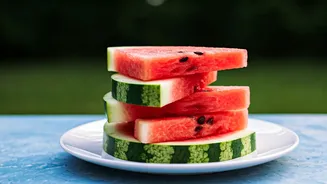
Beyond the cuteness factor, the good news is that, yes, watermelon can be a healthy treat for most dogs when prepared correctly. According to veterinary experts and the American Kennel Club, watermelon is about 92% water, making it a fantastic way to help keep your dog hydrated on hot days. It’s also low in calories and packed with nutrients. The fruit is a good source of vitamins A, B6, and C, as well as potassium. Watermelon also contains lycopene, a powerful antioxidant that helps fight free radicals. This makes it a much healthier alternative to many processed, high-fat commercial dog treats, offering a guilt-free way to indulge your pup.
The Right Way to Serve Watermelon
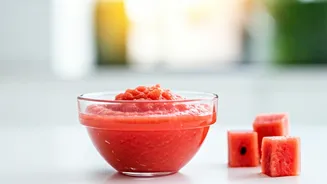
Preparation is everything when it comes to safely sharing watermelon with your dog. There are two non-negotiable rules: you must remove all seeds and the rind. Watermelon seeds, especially if a dog ingests many of them, can cause an intestinal blockage, which is a serious medical emergency. The green rind is also a problem. It’s very difficult for a dog to digest and can lead to significant gastrointestinal upset, including vomiting and diarrhoea. The safest method is to cut the pink flesh into small, bite-sized, seedless cubes. For an extra-special treat that lives up to the trend, you can freeze these cubes. Frozen watermelon chunks provide a longer-lasting, cooling snack that can also help soothe the gums of a teething puppy.
Potential Risks and Why Moderation Is Key
Even a healthy treat can cause problems if overdone. While watermelon is low in calories, it does contain natural sugar. This may not be suitable for dogs with diabetes and should be discussed with your veterinarian. For any dog, eating too much watermelon at once can lead to an upset stomach, bloating, or diarrhoea due to its high water and fibre content. A good rule of thumb for all treats, including fruit, is the 10% rule: treats should only make up about 10% of your dog’s total daily caloric intake. For a small dog, a few small cubes is plenty. A larger dog can have a little more, but it should always be considered a special snack, not a meal replacement.
Other Cool Summer Treats for Pups
Inspired by the watermelon trend? There are plenty of other safe and refreshing ways to help your dog beat the heat. Blueberries are another fantastic option; they are small, packed with antioxidants, and can be served fresh or frozen. Small chunks of banana are also a hit with many dogs, though they are higher in sugar and should be given sparingly. You can also create your own simple ‘pupsicles’ by freezing low-sodium bone broth or plain, unsweetened Greek yogurt (as long as your dog tolerates dairy well) in an ice cube tray. Always double-check that any fruit or food is non-toxic to dogs before sharing, as common foods like grapes and onions are extremely dangerous.