


A New Space Race Heats Up
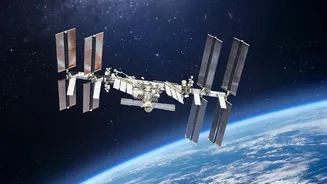
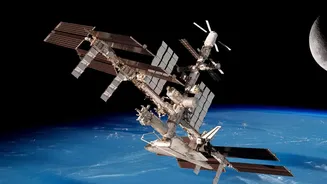
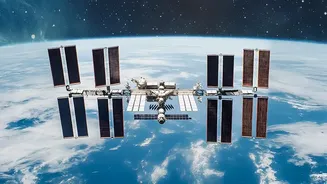
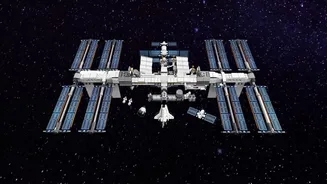
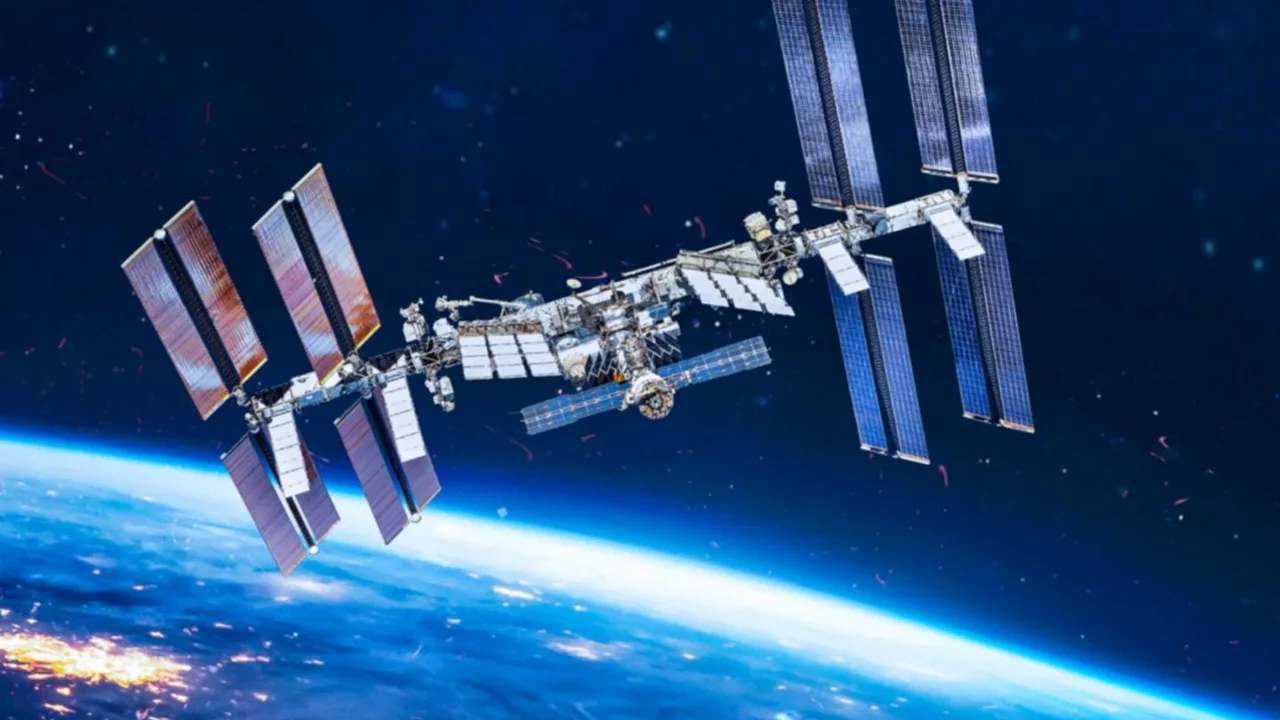
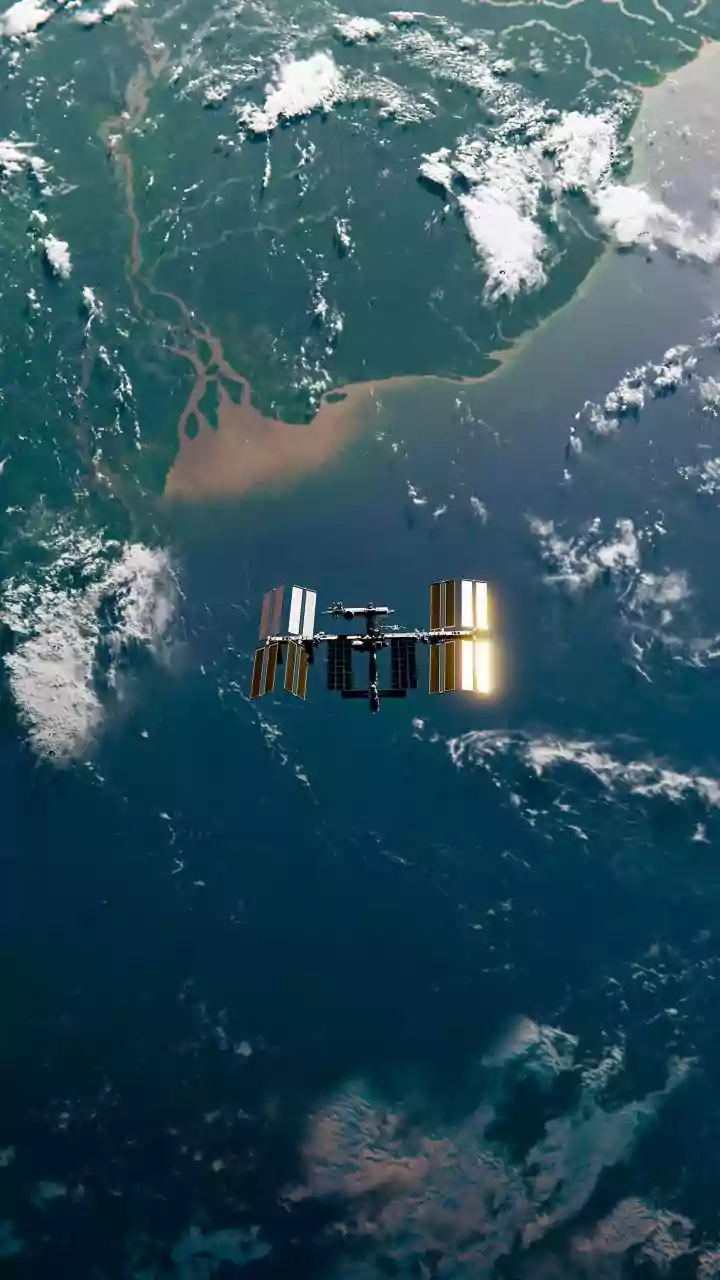
With the International Space Station (ISS) scheduled for decommissioning around 2030, NASA is actively fostering a new commercial marketplace in low Earth orbit (LEO). Through its Commercial LEO Destinations (CLD) program, the agency is shifting from
being an owner-operator to becoming a customer. This has ignited a race between several ambitious private companies, each vying to build, launch, and operate the first commercially successful space stations. This new paradigm aims to create a robust orbital economy, supporting everything from in-space manufacturing and pharmaceutical development to private astronaut missions and space tourism. The goal is to ensure an uninterrupted American presence in orbit and provide new platforms for science and industry.
Axiom Space: Building the ISS Successor
Axiom Space is a frontrunner with a unique strategy: build its station by first attaching modules to the ISS. The company has already flown multiple private astronaut missions to the station, gaining valuable operational experience. Under a revised plan, Axiom intends to launch its first component, the Payload Power Thermal Module, to the ISS as early as 2027. Its first habitat module will launch subsequently, and the two will detach from the ISS to form the free-flying Axiom Station around 2028. This modular station is designed to provide crew quarters, an airlock for spacewalks, and a dedicated research and manufacturing facility, positioning itself as a direct successor to the ISS for a global community of users.
Vast: A Standalone Station with Big Ambitions
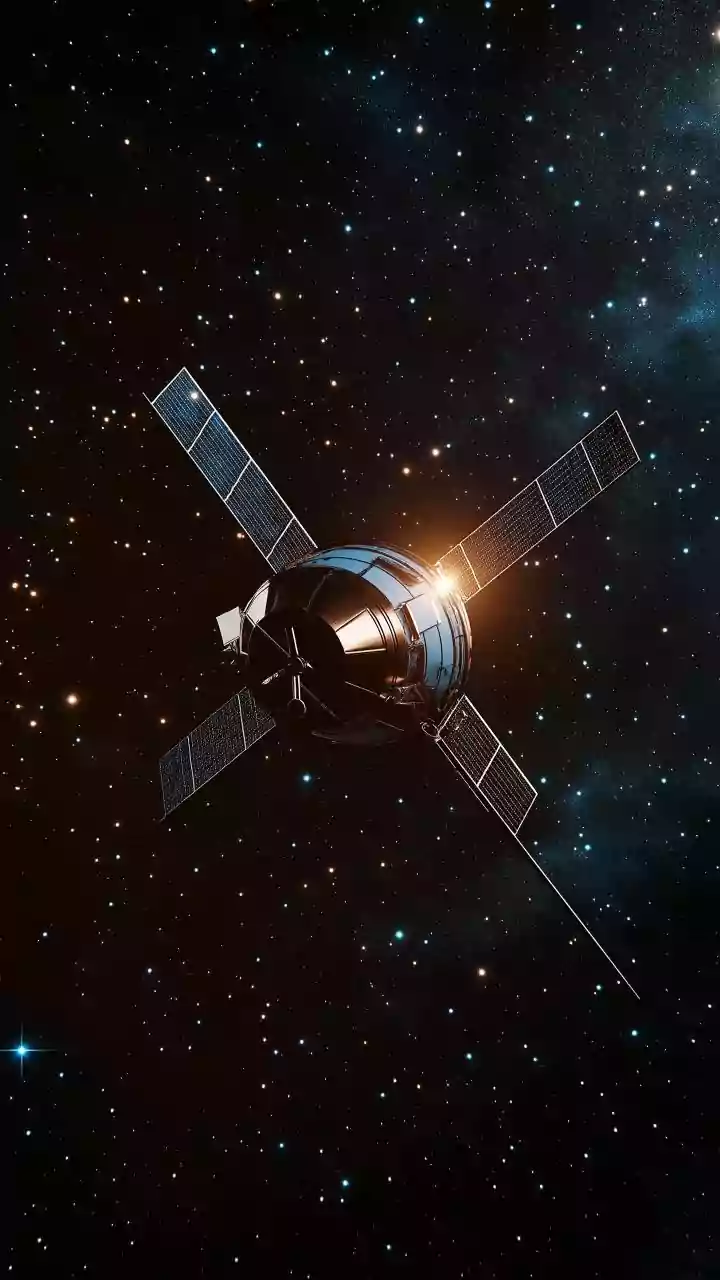
California-based startup Vast is taking a different approach, aiming to be the first to launch a standalone commercial space station. Its Haven-1 module is currently targeting a launch aboard a SpaceX Falcon 9 rocket in early 2027. This initial station is designed to host four-person crews for up to 30 days, supporting both research and manufacturing in a compact lab. Vast has already secured agreements with SpaceX for launch and crew transport and has seen international interest, with France signing on for a future mission. Haven-1 is envisioned as the first step toward a much larger modular station, Haven-2, and eventually, a massive rotating station that would provide artificial gravity.
Sierra Space and the Inflatable Future
Sierra Space is innovating with a different kind of structure: large, inflatable habitats. The Large Integrated Flexible Environment (LIFE) habitat is designed to launch in a compressed state and inflate in orbit, offering a massive volume for living and working. One LIFE module alone could provide one-third of the pressurized volume of the entire ISS. These habitats are a key component of the Orbital Reef station, a “mixed-use business park” in space being developed with Blue Origin. Sierra Space has conducted numerous successful burst pressure tests on the ground, proving the strength and durability of its expandable fabric structures and moving the technology closer to being certified for human use in space. The company plans to launch a pathfinder version of the habitat as a standalone station as soon as late 2026.
A New Frontier for Science and Industry
These next-generation commercial modules are being designed specifically for a wide range of customers. Research teams from universities, pharmaceutical companies, and materials science firms will be able to conduct experiments in microgravity without the same constraints as on the ISS. The primary focus is on creating platforms for advanced materials manufacturing, drug development, and other technological demonstrations that can only happen in orbit. With NASA planning to be just one of many customers, these private stations are being built to serve a diverse market, including international space agencies and even brand partners, heralding a new and accessible era for commercial activity beyond Earth.