




The New Definition of 'Home'
For generations, buying furniture was a long-term commitment. You bought a heavy wooden bed or a large sofa with the expectation it would stay in one place for decades. But for many young professionals and families in bustling Indian cities, that model
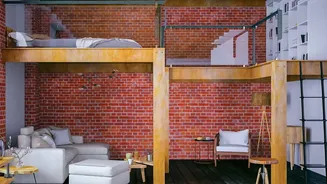
no longer makes sense. Urban migration, rising property costs, and the reality of smaller living spaces have created a need for agility. Today's urban dwellers in cities like Bengaluru, Mumbai, and Delhi are more mobile than ever, switching jobs and homes more frequently. This transient lifestyle demands furniture that isn’t a burden. Instead of 'forever furniture', they seek 'right now furniture'—pieces that are flexible, lightweight, and clever.
Meet the Transformers: Modular and Multi-Functional
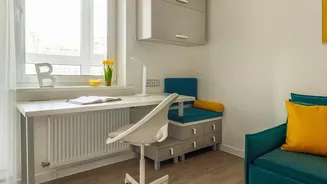
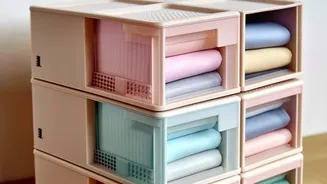
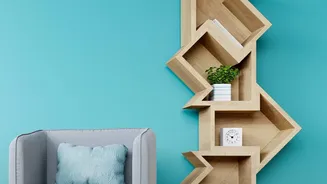
So, what is 'evolving' furniture? It primarily falls into two categories: multi-functional and modular. Multi-functional pieces serve multiple purposes, a concept that has become a necessity in compact homes. Think of a sofa that seamlessly transforms into a guest bed, a coffee table that lifts to become a work desk, or an ottoman that opens up to reveal hidden storage. These items are space-saving heroes in a 1BHK apartment where every square foot matters. Modular furniture takes flexibility a step further. These are systems of individual pieces, like sectional sofas or reconfigurable shelving units, that can be rearranged, expanded, or downsized to fit a new space or a new need. This approach allows homeowners to tailor their environment without having to buy entirely new sets of furniture, a popular choice for renters and homeowners alike.
Driven by Necessity, Defined by Mindset
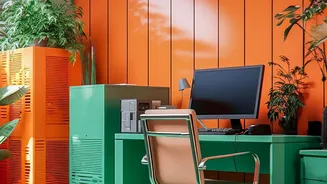
This trend is about more than just practicality; it reflects a significant generational shift in mindset. Younger consumers often view their living spaces as dynamic environments that should adapt to their needs, not the other way around. The hybrid work model has solidified the need for homes that can also function as offices, making foldable desks and ergonomic chairs that can be tucked away essential. There's also a growing desire for personalisation. One-size-fits-all no longer applies, and modular pieces allow for a level of customisation that reflects individual style and changing life stages. This move away from bulky, single-purpose items is a direct response to the constraints and opportunities of modern urban life.
A Smarter, More Sustainable Choice
Environmental consciousness is another powerful driver behind this trend. Many young consumers are acutely aware of their environmental impact and are actively seeking sustainable options. Evolving furniture aligns perfectly with this value system. By investing in pieces that can be adapted or repurposed, they reduce waste. A modular sofa that can be reconfigured for a new apartment is less likely to be discarded than a traditional one that doesn't fit. This philosophy extends to the materials themselves, with a growing preference for furniture made from sustainable sources like bamboo, reclaimed wood, and recycled metals. Buying fewer, more versatile pieces is seen as a smarter, more responsible way to consume.