
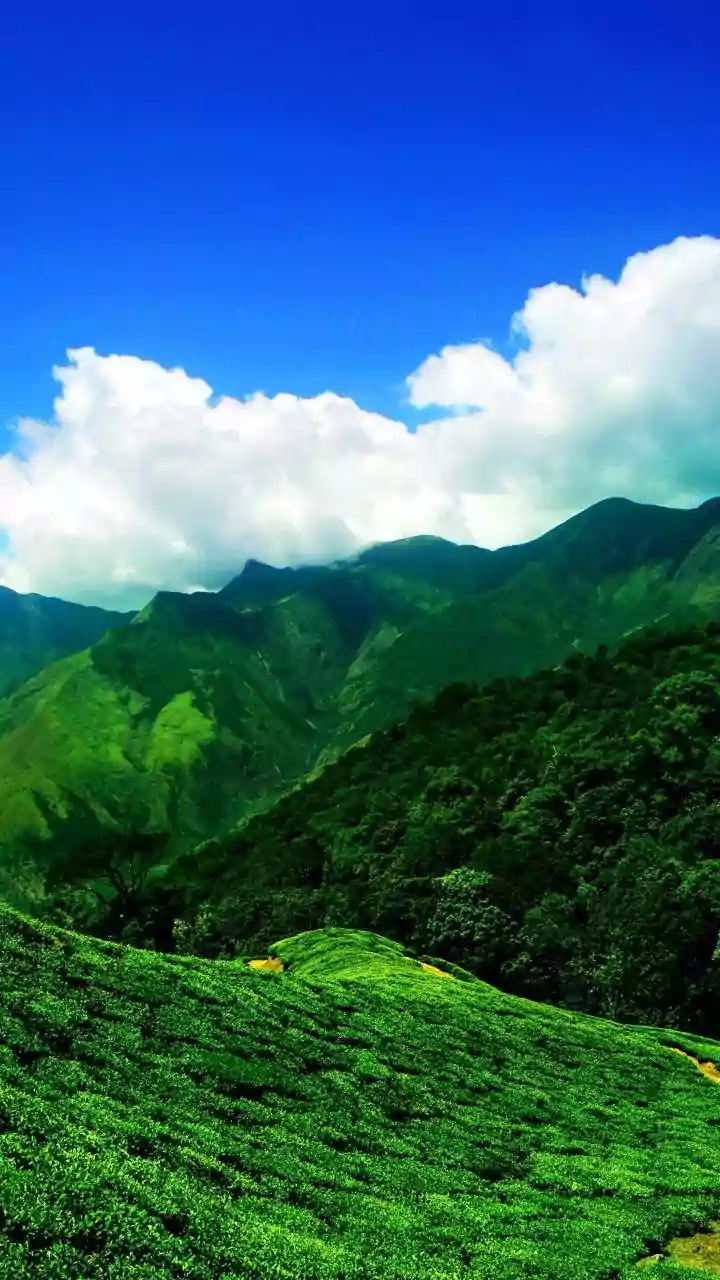



The Land Between Worlds
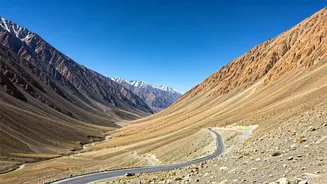
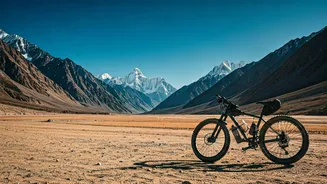
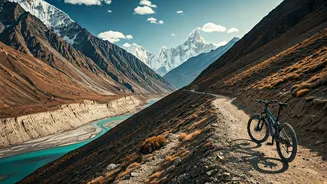
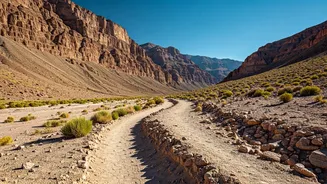
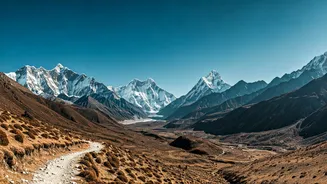
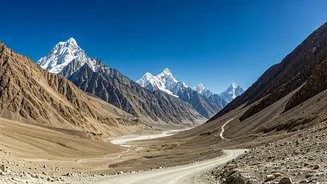
Tucked away in the Indian state of Himachal Pradesh, Spiti Valley is a cold desert mountain landscape that feels like another planet. Its name literally means "The Middle Land," a fitting title for a region that sits on the border between India and Tibet.
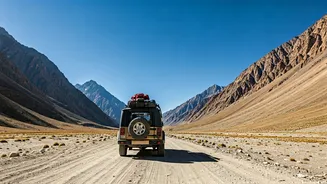
For centuries, it was a nearly inaccessible pocket of Tibetan Buddhist culture, dotted with ancient monasteries perched on cliffsides. Today, while still remote, it has become the ultimate destination for those looking to trade sweltering city heat and constant connectivity for raw, unfiltered nature. The appeal isn't just the scenery; it's the journey itself—a grueling, spectacular drive through one of the world's most breathtaking and challenging terrains.
An Escape from the Summer Plains
The phrase "fleeing the plains" is no exaggeration. When summer temperatures in North Indian cities like Delhi soar past 110°F, the high-altitude cool of the Himalayas becomes an irresistible siren call. For young Indians and international backpackers alike, Spiti offers a genuine escape. The air is thin but clean, the sun is strong but the breeze is cool, and the vast, empty landscapes provide a mental reset that a beach vacation rarely can. This seasonal migration has turned the Spiti circuit into a rite of passage. It's a social and cultural phenomenon, fueled by Instagram feeds filled with images of prayer flags fluttering against stark mountains, but sustained by the very real desire for a profound travel experience.
The Epic Road Trip Circuit
There are two main arteries into Spiti, and each offers a different flavor of adventure. The most common route starts from the popular hill station of Manali. This path is shorter but more intense, tackling two formidable high-altitude passes: Rohtang Pass and Kunzum Pass (over 14,900 feet). This route is only open from roughly June to October, when snowplows clear the way. The alternative, longer route begins in Shimla and winds through the lush Kinnaur Valley before entering the arid landscapes of Spiti. This path allows for more gradual acclimatization to the altitude and is often recommended for a more comfortable journey. Most travelers rent a 4x4 vehicle with a driver or join a small group tour, as self-driving requires significant experience with treacherous mountain roads. A full circuit typically takes 10 to 14 days to complete without rushing.
Culture Carved into Cliffs
While the dramatic vistas are the main draw, Spiti's soul lies in its culture. This is a world of ancient monasteries, some over a thousand years old. Key Gompa, a spectacular fortress-like monastery, seems to tumble down a conical hill near the main town of Kaza. Tabo Monastery, a UNESCO World Heritage site, is known as the "Ajanta of the Himalayas" for its stunning, well-preserved murals. And Dhankar Gompa, precariously balanced on a 1,000-foot spur of rock, offers views that will leave you breathless. Visitors can often stay in monastic guest houses or simple village homestays, offering a chance to connect with the local Spitian people, whose warmth and resilience are as striking as the landscape they inhabit.
Adventure with a Reality Check
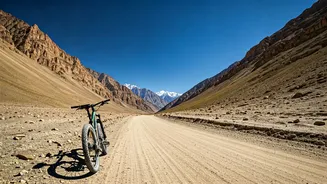
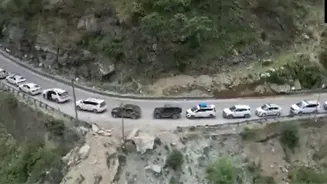
A road trip through Spiti is not a luxury vacation. It's an expedition that demands patience and a spirit of adventure. The primary challenge is the altitude. At an average elevation of over 12,500 feet, altitude sickness is a real risk and must be managed with slow acclimatization and hydration. Roads are often unpaved, prone to landslides, and feature heart-stopping hairpin bends with sheer drops. Accommodation is basic, with homestays and small guesthouses offering simple comforts. Wi-Fi is scarce and electricity can be unreliable. But for those who embrace it, these challenges are part of the appeal. It's a forced digital detox, a journey that requires you to be fully present in a place that feels like one of the last wild corners of the world.