




Hibiscus: The Tropical Favourite
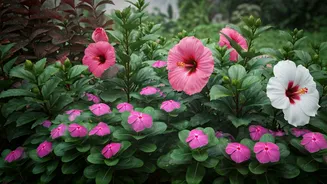
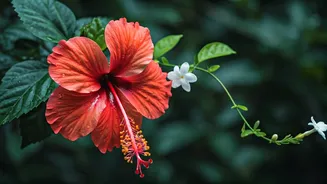
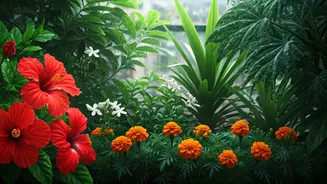
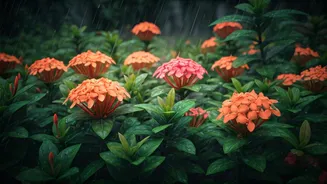
Known for its large, vibrant flowers, the hibiscus is a quintessential tropical plant that performs wonderfully during the monsoon. [7] The increased humidity and moisture encourage it to produce an abundance of its signature showy blooms in shades of red,
pink, and yellow. [3, 7] While hibiscus loves water, it's crucial to ensure it's planted in well-draining soil, whether in the ground or in pots with adequate drainage holes, to prevent root rot. [3] A little pruning early in the season can help shape the plant and promote even more flowering. [3]
Marigold: The Cheerful and Resilient Bloom
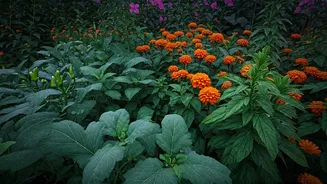
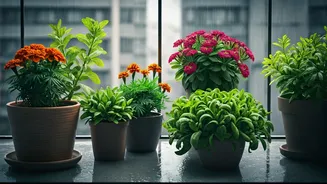
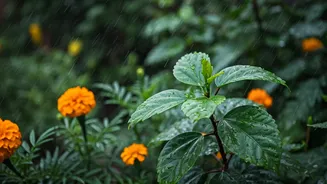
Marigolds are a staple in many Indian gardens for their cultural significance and their hardy nature. [6] These cheerful flowers in brilliant shades of orange and yellow are adaptable and can tolerate moderate to heavy rainfall, bringing a splash of sunshine to cloudy days. [7] They are famously low-maintenance and act as a natural pest repellent, which is an added bonus during the damp monsoon months when pests can be more active. [2, 11] They are easy to grow and will continue to bloom for months, making them a reliable choice for any garden. [6]
Jasmine: The Fragrant Star of the Season
The monsoon is the perfect time for fragrant flowers, and jasmine (especially varieties like Mogra or Jasminum sambac) is a top performer. [2] The combination of its sweet scent with the smell of rain is a classic monsoon experience. [5] Jasmine vines and shrubs adore the high humidity, producing an abundance of their delicate, aromatic white flowers. [2, 6] They prefer well-drained soil and a spot with partial to full sunlight to truly thrive. [2, 6] Support for climbing varieties will help them flourish and fill your garden with fragrance.
Balsam: The quintessential Monsoon Flower
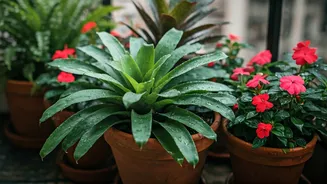
Balsam, also known as Impatiens or 'Touch-Me-Not', is a classic rainy season flower that thrives in moist, shaded conditions. [6, 12] Its soft, colourful blossoms in shades of pink, purple, red, and white add instant charm to garden beds and pots. [6] This resilient flower can handle the extra moisture and humidity of wet weather with ease, making it ideal for balconies or garden patches that don't get full sun. [6, 12] To encourage a bushier plant, you can pinch back the stems early in its growth. [6]
Turmeric and Ginger: The Edible Powerhouses
The monsoon is the ideal growing season for rhizomatous plants like turmeric and ginger. [2] These kitchen staples thrive in the wet, warm, and humid conditions that the season provides. [2, 3] Planting them at the start of the monsoon ensures rapid growth for a harvest later in the year. [2] Beyond their culinary and medicinal uses, they also make for beautiful garden plants with their lush, broad leaves. [3] Turmeric sometimes produces beautiful cone-like flowers, adding an ornamental touch to your kitchen garden. [3, 8]
Rain Lily: The Magical Post-Shower Bloom
As its name suggests, the Rain Lily is a plant that truly celebrates the rain. These small bulbs often remain dormant until a heavy shower triggers them to bloom, sometimes within just a couple of days. [15] They produce beautiful, delicate flowers in shades of pink, white, and yellow that seem to appear like magic after a downpour. [2] Rain lilies are exceptionally low-maintenance and are perfect for filling in borders or dotting around in pots, providing delightful and surprising bursts of colour throughout the monsoon. [2, 15]
Coleus: The Foliage Champion
For those who love colour but don't want to rely solely on flowers, Coleus is an excellent choice. Known for its incredibly vibrant and patterned leaves, this plant thrives in the rainy season. [11, 13] It can be grown both indoors and outdoors and its foliage brings a rich texture to any space. [13] The humidity of the monsoon helps its leaves look their best. Coleus grows quickly and requires little maintenance, though regular trimming can help it maintain a fuller, more attractive shape. [13]