






Arrival in the Abode of Clouds
Your journey begins in Shillong, the vibrant capital of Meghalaya. The easiest way to get here is to fly into Shillong Airport (SHL) or, for more flight options, Lokpriya Gopinath Bordoloi International Airport (GAU) in Guwahati, Assam. From Guwahati, a scenic
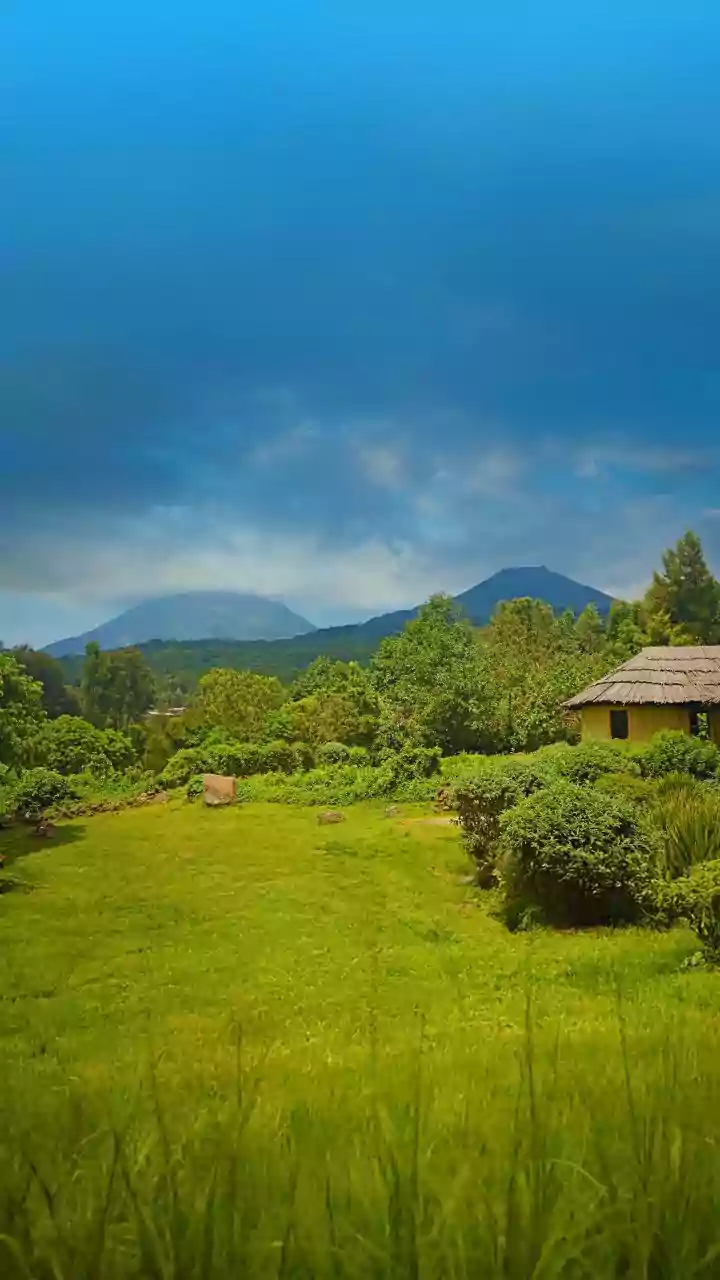
three-hour drive takes you up into the Khasi Hills. The air cools, the landscape sharpens, and the scent of rain-soaked pine trees welcomes you. Use your first day to acclimatise. Stroll around the bustling Police Bazaar, sample local Khasi delicacies, or take a gentle walk around Ward's Lake. Don't rush; the monsoon in Meghalaya is a rhythm you need to ease into.
Chasing Waterfalls in Cherrapunji (Sohra)
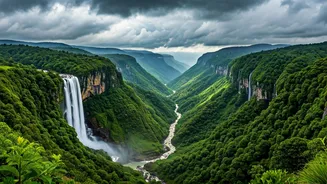
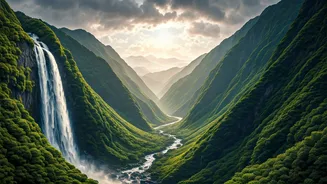
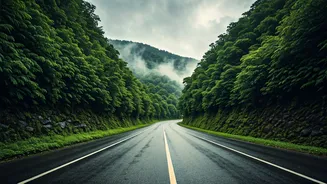
From Shillong, hire a dedicated taxi for a few days—this is the most flexible way to explore. Head towards Cherrapunji, locally known as Sohra. This is the heart of the monsoon experience. Once holding the record for the wettest place on Earth, Sohra is where the clouds come to play. The drive itself is an event, with mist rolling across the highway and impromptu waterfalls cascading down hillsides. Your first stop should be the breathtaking Nohkalikai Falls. During the monsoon, this powerful plunge waterfall is at its most ferocious and awe-inspiring, a thunderous column of water dropping into a turquoise pool. Nearby, the Seven Sisters Falls (Nohsngithiang Falls) presents a magnificent panorama—a series of cataracts spread across a wide cliff face, best viewed in the afternoon light.
The Trek to the Living Root Bridges
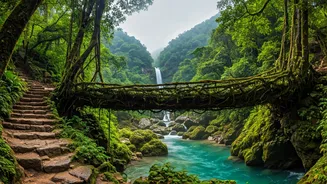
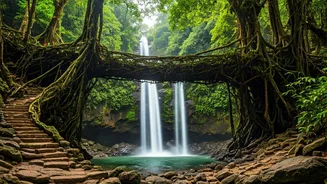
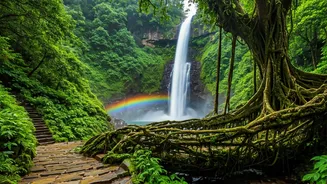
The highlight of any Meghalaya trip is witnessing the bio-engineering marvels of the Khasi tribes: the living root bridges. The most famous of these, the Jingkieng Nongriat or Double-Decker Root Bridge, requires commitment. The journey starts from the village of Tyrna, from where you descend over 3,500 concrete steps into the valley. The trek is strenuous, especially in the humid monsoon, but utterly rewarding. You’ll cross wobbly suspension bridges over rushing rivers and pass smaller root bridges before reaching the magnificent double-decker structure. It’s a surreal sight—a bridge grown, not built, from the roots of the Ficus elastica tree. Plan to spend at least half a day on this trek. For a less demanding experience, visit the single-decker root bridge near Riwai village, which is much more accessible.
Exploring Caves and Cleanest Villages
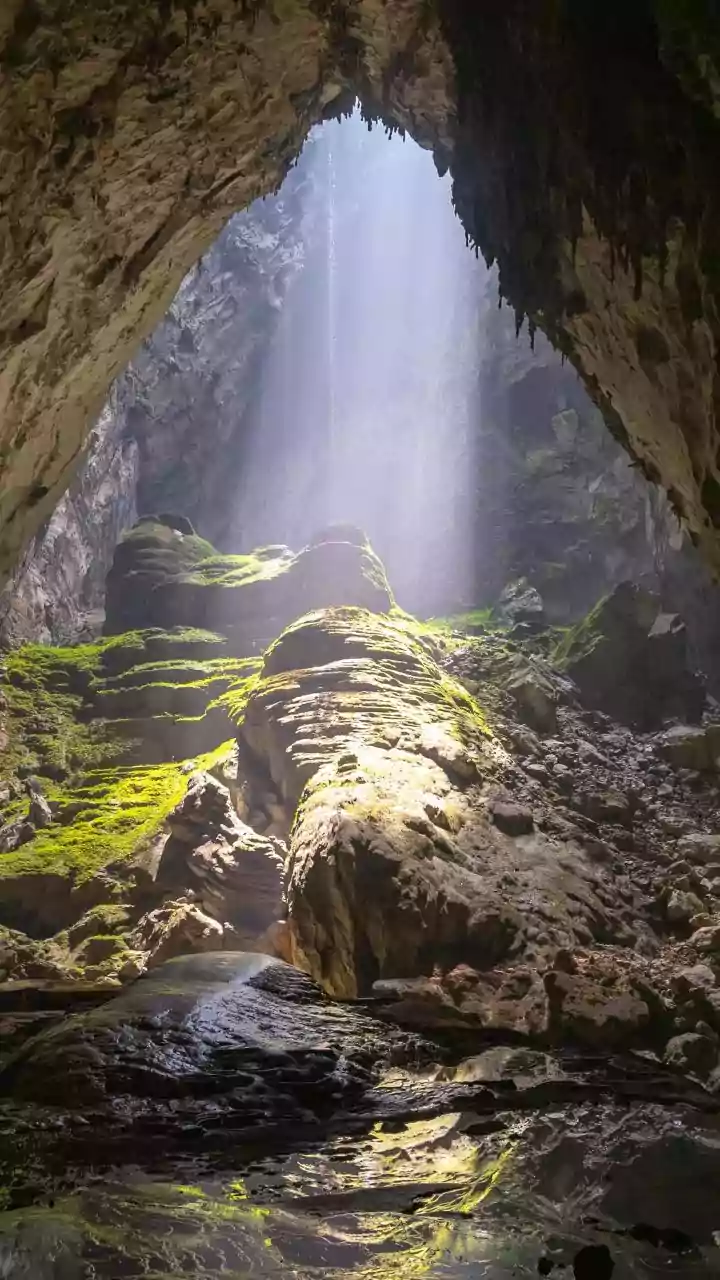
Meghalaya isn’t just about rain and roots. The region is also famous for its extensive cave systems. Mawsmai Cave, near Sohra, is a great introduction. It’s a well-lit, tourist-friendly cave that allows you to explore the fascinating limestone formations without needing specialised equipment. While some sections can be a tight squeeze, it’s a thrilling little adventure. Another popular detour is a visit to Mawlynnong, often publicised as 'Asia's Cleanest Village'. While the title draws crowds, the real charm lies in its well-maintained paths, bamboo dustbins, and the community's commitment to cleanliness. It’s a testament to sustainable living and offers a different perspective on the local culture.
Essential Monsoon Travel Tips
Travelling in Meghalaya during the monsoon requires some preparation. First, waterproof everything. A good raincoat, waterproof hiking shoes with excellent grip, and a rain cover for your backpack are non-negotiable. Pack quick-drying clothes. Leeches are common on trekking trails, so carry salt or a sanitiser to deal with them. Be prepared for travel delays; heavy rain can sometimes cause roadblocks, so keep your itinerary flexible. Finally, book your accommodations and taxis in advance, especially if travelling during peak season. While the monsoon presents challenges, it's also when the 'Abode of Clouds' is at its most ethereal and unforgettable.