


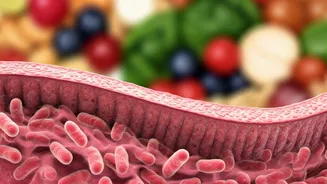


What Does ‘Fibre-Forward’ Actually Mean?
Simply put, a fibre-forward approach to eating prioritises dietary fibre—the part of plant-based foods that the body can't digest or absorb. [3] Instead of passing through unnoticed, it plays a crucial role in our health. There are two main types: soluble
fibre, which dissolves in water to form a gel-like substance, and insoluble fibre, which adds bulk to stool. [3, 26] Soluble fibre, found in oats, beans, and apples, helps lower cholesterol and stabilise blood sugar. [3, 26] Insoluble fibre, present in whole wheat, nuts, and vegetables like cauliflower, aids digestion and prevents constipation. [3] A fibre-forward diet isn't about restriction; it's about consciously including more of these beneficial plant-based foods in every meal.
The Unsung Hero of Indian Health
A high-fibre diet is linked to a significantly lower risk of developing coronary heart disease, diabetes, and certain gastrointestinal diseases. [2, 12] In an Indian context, where lifestyle diseases are on the rise, this is incredibly important. [14, 20] Fibre helps manage blood sugar levels by slowing the absorption of sugar, a key benefit for a population where carbohydrate-dense meals are common. [3, 14] It also helps lower 'bad' LDL cholesterol levels and blood pressure. [2, 3] Furthermore, high-fibre foods are more filling, which can help with weight management by keeping you satisfied for longer with fewer calories. [4, 6] By promoting a healthy gut microbiome, fibre also enhances our overall immune function. [4, 16]
The Indian Kitchen: A Natural Fibre Powerhouse
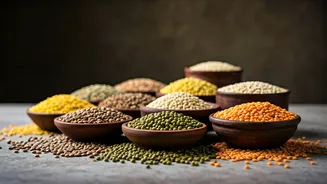
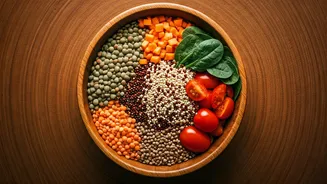
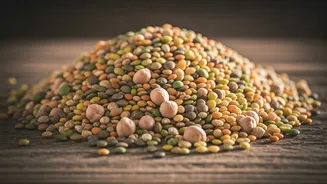
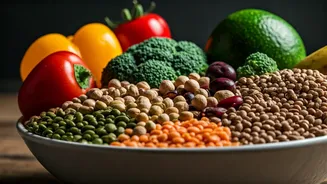
Look no further than your own pantry and local vegetable vendor to see why Indian cuisine is naturally fibre-forward. Our meals are built on a foundation of high-fibre ingredients. [9, 11] Think of whole grains like jowar, bajra, ragi, and whole wheat, which are staples in many households. [7, 8] Lentils and legumes, the heart of our dals and curries like rajma and chole, are packed with both fibre and protein. [11] Our vibrant sabzis, from bhindi and spinach to carrots and gourds, are excellent sources. [7, 10] Even fruits like guava—one of the highest-fibre options—bananas, and pomegranates are everyday staples. [8, 9] This inherent use of diverse, plant-based ingredients makes the Indian diet a goldmine of dietary fibre. [13]
Traditional Wisdom That Preserves Goodness
It’s not just the ingredients, but also our traditional cooking methods that make Indian food so nourishing. Techniques passed down through generations are now being validated by modern science for their ability to preserve nutrients, including fibre. [5, 15] The practice of soaking lentils and grains before cooking doesn't just soften them; it reduces anti-nutrients and makes them more digestible. [5] Slow-cooking dishes in a covered pot helps retain water-soluble vitamins and the food's natural fibre structure. [15] Even the simple act of adding a squeeze of lemon (an acid) at the end of cooking can increase the absorption of minerals like iron from plant sources. [5] These time-honoured practices show an intuitive understanding of nutrition that has kept our food wholesome for centuries.
Easy Swaps for a More Fibre-Rich Diet
Embracing a more fibre-forward diet doesn't require a complete overhaul of your eating habits. It's about making small, mindful changes. Start by swapping refined grains for their whole counterparts—choose brown rice over white, and opt for rotis made from whole wheat, jowar, or bajra. [10, 26] Aim to include at least one or two vegetable dishes (sabzi) and a dal with every main meal. [9] Snack smart on roasted chana, a handful of nuts, or fresh seasonal fruits instead of packaged items. [7] You can also add seeds like flax or chia to your porridge, yoghurt, or smoothies. [9] The goal is to gradually increase your intake while drinking plenty of water to help your digestive system adjust. [28]