






The Great Unbundling
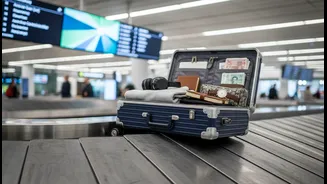
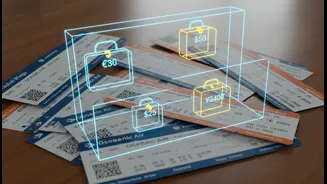
Not long ago, a flight ticket was an all-in-one package. It included your seat, a meal, and the reasonable assumption that you could bring a bag. Today, that ticket has been “unbundled.” To compete on the headline price you see on search websites, airlines
have stripped the fare down to its absolute minimum: a seat on a plane. Everything else, from choosing that seat to checking a bag—and increasingly, even bringing a standard cabin bag—is an optional extra with a fee attached. This strategy, known as ancillary revenue, is now a core part of the airline business model. Projections show these extra fees will generate about $145 billion for airlines in 2026, making up nearly 14% of their total revenue. For some budget carriers, these add-ons now generate more cash than the tickets themselves. This isn't a side business anymore; it's the main event.
A Maze of Confusing Rules
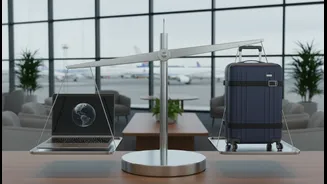
The problem isn't just that these services cost extra; it's that the rules are a chaotic mess that differs wildly between airlines. In India, most domestic carriers like IndiGo, SpiceJet, and Akasa Air have a baseline of a 15 kg checked bag and a 7 kg cabin bag. However, full-service carriers like Air India may allow 8 kg in the cabin, a small but crucial difference if you’re carrying a heavy laptop. Internationally, it's even more complex. A basic economy ticket on a US carrier might not include a cabin bag for the overhead bin at all. Many European and Asian airlines strictly enforce a 7 kg or 10 kg weight limit for carry-ons, something US domestic travellers are often not used to. This inconsistency creates a minefield for passengers. A bag that was perfectly acceptable on your outbound flight might suddenly incur a hefty fee on your return journey with a different airline, turning a smooth trip into a stressful ordeal at the gate.
The Illusion of a Cheap Fare
This system thrives on a practice called 'drip pricing'. Airlines show an enticingly low base fare to get you hooked, only to 'drip' in additional mandatory or near-mandatory fees throughout the booking process. By the time you discover the full cost, you’ve already invested time and effort, making you more likely to begrudgingly pay up rather than start your search all over again. This isn't transparency; it's a deliberate strategy that makes a true apples-to-apples comparison impossible. A flight that looks ₹2,000 cheaper at first glance may end up being more expensive once you add the bag you were always going to bring. This practice has drawn scrutiny from consumer protection agencies, with India's regulators identifying drip pricing as a 'dark pattern' designed to mislead customers. Just this month, the Supreme Court of India has been hearing a plea to regulate these unpredictable fluctuations and charges.
Show Us the Real Price Upfront
The solution is simple in concept, even if it requires a shift in industry practice: show the full, comparable cost at the point of search. When a traveller is comparing flights, the search results should not just show the bare-bones fare. They should include a clear, standardised breakdown of what that fare includes and what the most common extras—like a cabin bag and a checked bag—will cost. This is not a radical idea. In the US, the Department of Transportation has already finalised rules requiring airlines to disclose fees for first and second checked bags, carry-on bags, and reservation changes upfront. This ensures consumers can see the true cost of travel before they commit. It transforms the purchase from a game of hide-and-seek with fees into an informed choice. It allows a passenger to decide if an airline offering a free bag with a slightly higher fare is actually a better deal than the ultra-low-cost carrier that charges for everything.
What Travellers Can Do Now
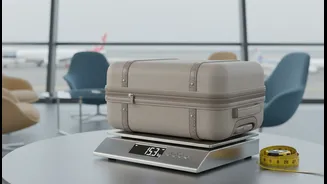
Until greater transparency becomes the industry standard, travellers must become more vigilant. Before you even start searching for tickets, think about what you need to pack and check the baggage policies of the airlines you're likely to fly. During the booking process, slow down. Pay close attention to the fare class—'Lite' or 'Saver' fares often come with the most restrictions. Use airline websites directly to get the clearest picture of their fee structures. When packing, invest in a small luggage scale to avoid surprise overweight fees at the airport. And if you are a frequent flyer with a preferred airline, look into their co-branded credit cards or loyalty programs, which often include a free checked bag as a perk. It’s an unfortunate amount of homework for what should be a simple purchase, but it’s the best defence against the current system.