








More Than Just Pakoras
When the first petrichor-laced breezes signal the monsoon's arrival, our culinary cravings instinctively turn to the familiar: crisp bhajiyas, steaming samosas, and a hot cup of adrak wali chai. These are the undisputed comforts of the season. But in recent
years, a parallel culinary movement has been gaining ground, one that digs deeper into the soil and tradition of the subcontinent. Chefs, home cooks, and food enthusiasts are looking past the deep-fryer and into the wild, rediscovering a treasure trove of foraged vegetables, forgotten greens, and rare tubers that flourish only during these wet months. This isn't novelty for novelty's sake; it's a return to hyper-local, seasonal eating that has been part of indigenous and rural diets for centuries. The monsoon, it turns out, is the most generous forager’s season.
A Catalogue of Wild Delights
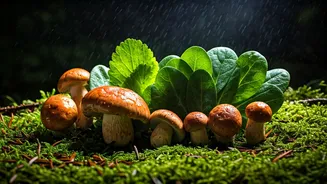
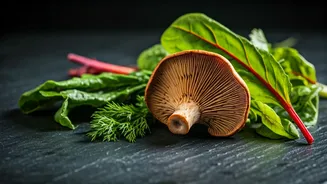
So, what’s on this wild monsoon menu? The list is as diverse as India's landscape. In Maharashtra, you'll find 'kurdu' (Celosia argentea), a wild green stir-fried with garlic, and 'shevala' (dragon stalk yam), which has a unique, meaty texture. Tender bamboo shoots ('banskarel') are harvested in the North and East for pickles and curries. Further south, wild mushrooms like the earthy Termitomyces, which grow on termite hills, are a prized delicacy. Then there are the countless leafy greens, or 'bhajis', that appear everywhere: 'phodshi' (a wild grass), 'takla' (sickle senna), and 'moras bhaji' (creeping woodsorrel). These aren't cultivated crops; they are nature’s ephemeral gifts, packed with nutrients and a distinct taste of their terroir.
From Forest to Fine Dining
What was once humble, foraged fare is now the star of sophisticated menus in urban centres. India's top chefs are championing these ingredients not only for their unique flavours but also for their connection to sustainability and Indian culinary heritage. Restaurants in Mumbai, Delhi, and Bengaluru are featuring dishes like Dragon Stalk Yam Cutlets and salads made with foraged monsoon greens. This introduces a new world of flavours to urban diners who may have lost touch with these traditions, and it gives economic impetus to the local communities—often tribal groups—who are the traditional custodians of this knowledge and the primary foragers. By placing a wild green on a tasting menu, chefs are making a powerful statement about the value of India’s edible biodiversity.
A Taste of Sustainability
The fascination with wild monsoon foods is more than just a fleeting culinary trend; it’s a significant shift towards a more conscious way of eating. Foraging encourages a direct connection with the environment and the seasons, reminding us that food doesn’t just come from a supermarket shelf. These wild plants are inherently organic, requiring no pesticides or intensive farming. They promote biodiversity and often have a smaller carbon footprint than commercially grown produce that travels long distances. Furthermore, this movement is helping to preserve traditional ecological knowledge. As younger generations learn to identify and cook with these plants, they are keeping alive an ancestral wisdom that understands the delicate balance of the local ecosystem.
A Word of Foraging Caution
The romance of foraging comes with a critical caveat: safety. The wild is indiscriminate, and for every delicious edible plant, there is often a toxic look-alike. Identifying wild foods requires expert knowledge. Never eat a plant, mushroom, or berry from the wild unless you are 100% certain of its identity. The best way to engage with this trend is to buy from trusted local vendors at markets who have been selling these items for generations. Many are part of foraging communities with deep, inherited knowledge. If you are interested in learning to forage yourself, seek guidance from a seasoned expert. The thrill of discovery is wonderful, but it should never come at the expense of your health.