






The New Age of Festive Shopping
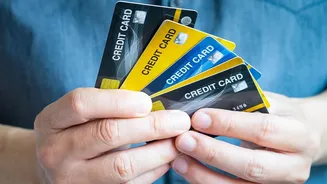
The way we shop for festivals has changed. Gone are the days of saving up for months for big-ticket purchases. Now, with credit cards and Buy Now, Pay Later (BNPL) schemes, instant gratification is just a tap away. Recent reports show a massive surge
in credit adoption among younger Indians. According to a 2026 TransUnion CIBIL report, half of all new-to-credit-card consumers in India are aged 30 or below. This generation is comfortable with digital payments and is entering the credit market earlier than ever before. The festive season amplifies this trend, with e-commerce platforms and retailers rolling out tempting no-cost EMI and discount offers that encourage spending. The result is a culture where borrowing for festive purchases has become normalised.
The Psychology of 'Paying Later'
Swiping a card or clicking 'Pay Later' feels different from handing over cash. This psychological distance makes it easier to overspend. When you don't see the money leaving your account immediately, the brain doesn't register the same 'pain of paying'. Retailers understand this well and use it to their advantage with tricks like decoy pricing and limited-time offers to encourage impulse buys. This is especially true during festive sales, where the emotional high of celebrations, combined with the fear of missing out (FOMO), can lead to decisions that aren't financially sound. While BNPL and credit cards offer convenience, they can also mask the true cost of your shopping spree, leading to a debt spiral if not managed carefully.
The Hidden Costs of Easy Credit
While 'no-cost EMI' sounds free, the danger often lies in the fine print. Missing a single payment can trigger high interest rates, sometimes as high as 42% to 56% annually on credit card balances, plus hefty late fees. Many young borrowers get caught in the 'minimum due' trap, paying just enough to avoid penalties while the outstanding amount balloons with compounding interest. This can severely damage your CIBIL score, making it harder to get loans for major life goals like a house or a car in the future. Reports indicate a concerning rise in credit card defaults, much of it linked to EMI-driven consumption by young borrowers who may not be fully aware of the long-term consequences.
Your Festive Spending Game Plan
Enjoying the festive season doesn't have to mean going into debt. A little planning can make all the difference. Start by creating a clear budget for all your festive expenses, from gifts and new clothes to food and decorations. Make a list of what you need to buy and stick to it, avoiding impulse purchases. Track your spending diligently using an app or a simple notebook. Consider using debit cards or UPI for most purchases to ensure you're spending money you actually have. If you do use a credit card, set a firm limit for yourself that is well within your ability to repay in full when the bill arrives. The goal is to celebrate without financial stress.
Using Credit Cards the Smart Way
Credit cards are not inherently bad; they are financial tools that, when used responsibly, can offer significant benefits. Using a credit card for planned purchases that you have already budgeted for can help you earn reward points and cashback. Most importantly, it helps build a positive credit history, which is essential for your financial future. The golden rule is to always pay your credit card bill in full and on time. Think of it as a convenient payment method, not a source of extra money. By treating credit with respect, you can take advantage of its perks without falling into the trap of a debt cycle you can't escape.