




Why Drainage Is Critical This Month
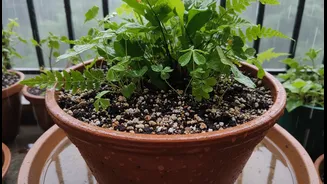
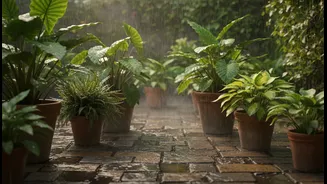
July in India often means monsoon season, bringing life-giving rain but also a significant threat to container plants. Unlike plants in the ground, balcony pots have limited space and can quickly become waterlogged. When soil stays saturated, air pockets
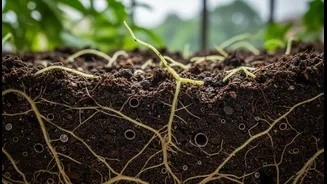
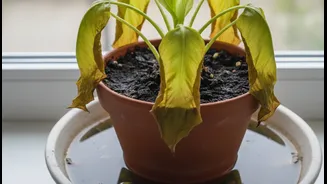
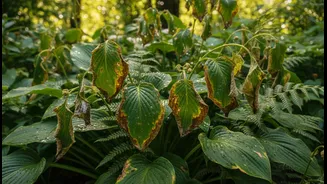
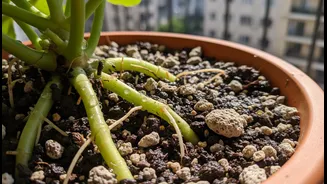
disappear, and roots can't breathe. This creates the perfect environment for root rot, a fungal disease that can quickly kill a plant. Symptoms include yellowing leaves, mushy stems, and stunted growth. Improving your potting mix's drainage is not just a good idea; it's essential preventive care to protect your green companions from the challenges of this wet season.
Choose the Right Granular Amendment
Granular amendments are coarse materials that create air spaces in the soil, allowing excess water to drain away freely. Each has slightly different properties. Perlite is a lightweight, white volcanic glass that is excellent for aeration and improving drainage in most potting mixes. Pumice, another volcanic rock, is heavier than perlite, which makes it great for stabilising top-heavy plants or pots on windy balconies. Coarse sand (not fine or builder's sand) can also improve drainage, but it's best reserved for succulents and cacti that prefer drier conditions. For most common balcony plants, a mix with perlite or pumice is the most reliable choice. Avoid vermiculite for this purpose, as it is designed to retain water, not improve drainage.
Getting the Perfect Soil-to-Amendment Ratio
The goal is to create a lighter, more porous soil structure without overdoing it. A good rule of thumb for most foliage and flowering plants is to create a mix that is one part granular amendment to three or four parts potting soil. For plants that are particularly sensitive to wet feet, such as succulents, lavender, or bougainvillaea, you can increase the ratio to one part amendment to two parts soil. You can pre-mix a large batch in a bucket or tub before you begin repotting. This ensures an even distribution of the amendment, preventing pockets of dense soil or areas with too much drainage material.
A Quick Guide to Repotting for Better Drainage
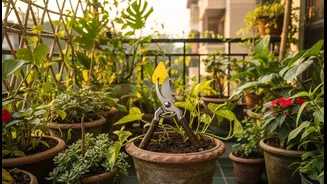
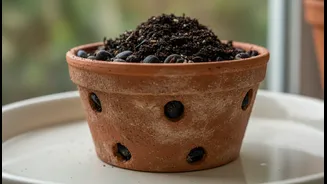
Upgrading your pots is a straightforward process. First, gently remove the plant from its current pot. It helps if the soil is slightly dry. Squeeze the sides of a plastic pot or run a knife around the edge to loosen it. Once the plant is out, gently tease and loosen the circling roots at the bottom of the rootball with your fingers to encourage them to grow into the new soil. Before repotting, ensure your container's drainage holes are clear. Place a small layer of your new, amended soil mix in the bottom of the pot. Position the plant inside, and fill the surrounding space with your new mix, leaving about an inch of space at the top for watering. Water the plant thoroughly to help the new soil settle around the roots, and you're done.