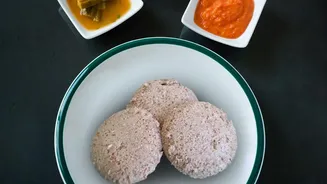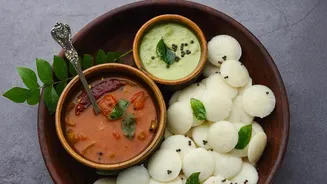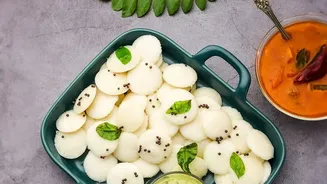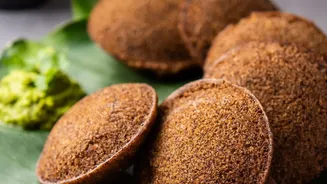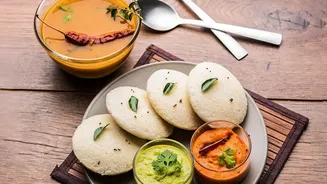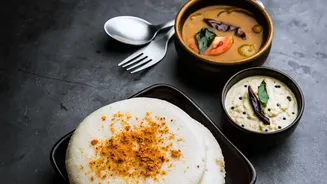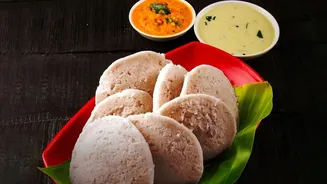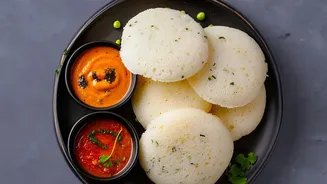



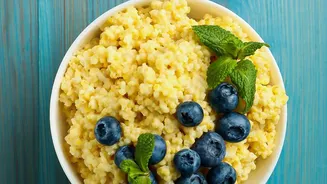
The classic South Indian idli, beloved for its soft, pillowy texture, is getting a wholesome makeover. By replacing traditional rice with foxtail millet, you can create a breakfast that is not only delicious but also packed with nutrients.
Why Make the Switch to Millets?
In recent years,
ancient grains have made a significant comeback in Indian kitchens, and for good reason. Millets, once a rural staple, are now celebrated for their impressive nutritional profile and resilience. Unlike polished white rice, which is primarily simple carbohydrates, millets are complex carbohydrates that are higher in protein, dietary fibre, and essential minerals. This composition helps in promoting a feeling of fullness, aiding digestion, and providing a more sustained release of energy, making them an excellent choice for a balanced diet. Incorporating them into daily meals, like a breakfast favourite, is an easy way to boost your nutritional intake without sacrificing flavour.
A Closer Look at Foxtail Millet
Foxtail millet, known as 'thinai' in Tamil or 'kangni' in Hindi, stands out for its specific health advantages. It is naturally gluten-free and has a lower glycemic index compared to white rice, which means it causes a slower, more gradual rise in blood sugar levels. This makes it a particularly smart option for those managing blood sugar. Furthermore, foxtail millet is a powerhouse of minerals, containing significantly more iron, calcium, and magnesium than polished rice. For instance, some studies show it has nearly three times the calcium of rice, which is vital for bone health, and a much higher iron content, which helps in preventing anaemia.
The Art of Making Millet Idli Batter
Making foxtail millet idlis is very similar to the traditional process, but with a few key adjustments. The typical ratio is around three parts foxtail millet to one part urad dal. Many recipes also include a small amount of fenugreek seeds, which aids fermentation and adds a subtle flavour. The grains and dal are washed and soaked separately for about four to five hours. Some home cooks recommend adding a handful of poha (flattened rice) to the soak for extra softness. When grinding, it's often best to grind the urad dal first to a fluffy consistency before grinding the millet separately. Using a wet grinder can yield a superior, lighter batter, but a high-speed mixer will also work. Just be careful not to let the mixer overheat, as this can hinder the fermentation process.
Fermentation and Steaming for Perfect Idlis
Once the millet and dal batters are combined and mixed with salt, the crucial step of fermentation begins. The batter should be left in a warm place for about 8 to 12 hours, or until it has risen and looks airy. The time can vary depending on the climate; it may take longer in colder weather. A wellfermented batter is the secret to soft, fluffy idlis. Once fermented, gently stir the batter. Grease your idli moulds, pour the batter into them, and steam for 10–15 minutes, or until a skewer inserted into the centre comes out clean. After steaming, let the idlis rest for a few minutes before de–moulding. This helps them come out cleanly. While some find millet idlis to be slightly denser than rice idlis, their satisfying texture and nutty flavour make them a delicious and worthy substitute.