





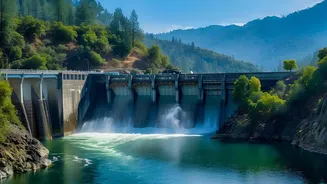
Maharashtra’s dams, especially during monsoon, offer stunning landscapes perfect for a road trip. But winding ghat roads and unpredictable weather require more than just an adventurous spirit. Here’s how to prepare for a safe and memorable drive.
Choose Your Destination Wisely
Maharashtra
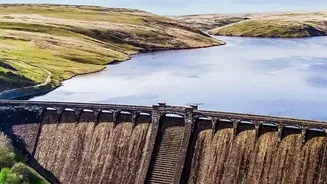
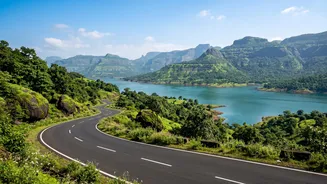
is dotted with picturesque dams perfect for a road trip, each offering a unique experience. For a classic getaway near Pune or Mumbai, Mulshi and Pawna dams are popular choices, surrounded by lush hills that come alive in the monsoon. Bhandardara, home to the old Wilson Dam and Arthur Lake, offers a quieter escape with treks to nearby forts. For those seeking adventure, Panshet provides water sports opportunities, while the massive Koyna Dam sits majestically within the Western Ghats. Before you go, check the weather forecast and local conditions. Heavy rains can lead to road closures or landslides, so it's wise to have a backup plan or be prepared to postpone if authorities issue warnings.
Prepare Your Vehicle for the Journey
A pre-trip vehicle check is non-negotiable. Start with the tyres; ensure they have adequate tread depth (at least 3mm is recommended for wet roads) and are inflated to the correct pressure. Worn-out tyres significantly increase the risk of skidding on slippery ghat roads. Next, have your brakes inspected, as you will rely on them heavily during steep descents. Also check all essential fluids, including engine oil and coolant. Functional wipers are crucial for visibility during downpours, so replace them if they are streaky. Finally, test all your lights—headlights, brake lights, and especially fog lamps, which are vital for misty conditions.
Mastering the Ghat Roads
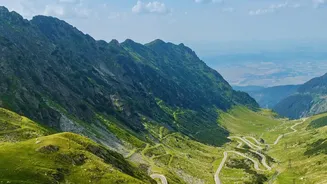
Driving on dam-side and ghat roads requires patience and precision. These routes are often narrow, with sharp hairpin bends and steep inclines. Always drive slowly and honk gently at blind curves to alert oncoming traffic. When driving downhill, use engine braking by shifting to a lower gear instead of relying solely on your brakes, which can overheat. A key rule of thumb on narrow sections is to yield to traffic coming uphill. Maintain a generous distance from the vehicle ahead, as stopping distances increase significantly on wet surfaces. Overtaking should be done with extreme caution and never on a blind curve or hairpin bend.
Essential Monsoon Driving Techniques
If you're travelling during the monsoon, be prepared for specific challenges. Rainwater mixed with oil and mud makes roads extremely slippery, so reduce your speed and avoid sudden braking or sharp turns. Waterlogging is another common hazard; never drive through a flooded patch if you can't gauge its depth, as it could hide potholes or open drains. If visibility drops heavily due to fog or intense rain, it is safer to pull over at a safe spot with your hazard lights on and wait for conditions to improve. Using your car's air conditioner can help quickly defog the windshield and windows. For safety, avoid driving on ghat roads at night during the monsoon.
Pack Smart for a Hassle-Free Trip
A well packed car can save you from a lot of trouble. Beyond your luggage, include an emergency kit containing a first aid box, a torch, and warning triangles. Given the remote nature of some of these routes, a portable tyre inflator and a basic puncture repair kit can be lifesavers. It's also wise to carry a tow rope and jump start cables. Since mobile connectivity can be patchy in hilly areas, download offline maps on your phone. Keep a power bank fully charged, and don't forget to pack enough drinking water and light snacks to stay hydrated and energised.