





The Post-Meal Glucose Spike Explained
When you eat, particularly a meal rich in carbohydrates, your body breaks it down into glucose, or sugar, which enters your bloodstream to be used as energy. This causes your blood sugar levels to rise. In response, your pancreas releases insulin, a hormone
that helps your cells absorb this glucose. However, very large or rapid increases in blood sugar, known as glucose spikes, can be taxing on your body over time. These spikes and subsequent crashes can leave you feeling tired and craving more sugar. For individuals with insulin resistance or prediabetes, managing these spikes is even more crucial.
How Walking Flattens the Curve
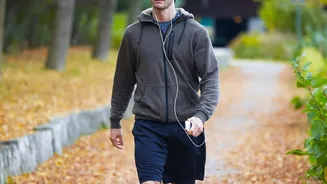
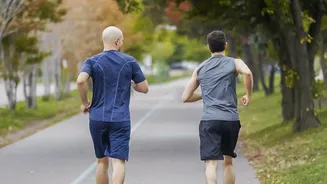
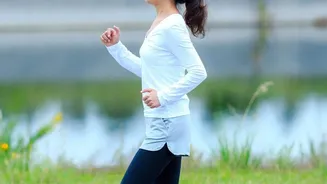
This is where a post-meal walk works its magic. When you start walking, your muscles need energy. They pull glucose directly from your bloodstream to fuel their movement. This process happens with less reliance on insulin, making it incredibly efficient. By using up the available glucose, a walk prevents your blood sugar from rising too high, too quickly. Studies have shown that even a brief stroll of just two to five minutes can have a measurable effect on blood sugar levels. A walk of 10 to 15 minutes can blunt the spike even more significantly, promoting better metabolic health.
The Perfect Timing for Your Stroll
Timing is key to maximizing the glucose-lowering benefits. The ideal window to walk is between 60 to 90 minutes after you finish your meal, which is when blood sugar levels are typically at their highest. You don't need a long, strenuous power walk. A light to moderately paced stroll is all it takes to activate your muscles and start drawing down glucose. Consistency is more important than intensity. Making this a regular habit, especially after your largest meal of the day, can have a significant long-term impact on blood sugar control.
Easing Muscle Soreness with Gentle Movement
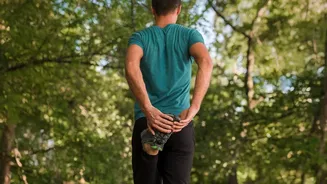
The benefits of a gentle walk extend beyond blood sugar. If you're experiencing Delayed Onset Muscle Soreness (DOMS) from a previous workout, the last thing you might want to do is move. However, this is a case where light activity, known as active recovery, is better than complete rest. Inactivity can sometimes lead to more stiffness and discomfort. A short, easy walk can be one of the best remedies for sore muscles.
The Science of Active Recovery
How does walking help sore muscles? The gentle movement increases blood circulation throughout your body. This enhanced blood flow delivers more oxygen and essential nutrients to your tired muscles, which aids in the repair process. It also helps to flush out metabolic waste products that can accumulate after intense exercise. Think of it as a gentle internal massage that reduces stiffness and helps restore mobility, allowing you to recover faster and feel better. The key is to keep the intensity low; the walk should feel restorative, not like another workout.