

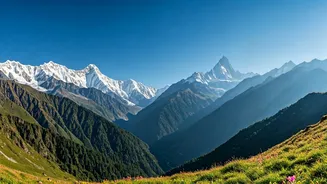
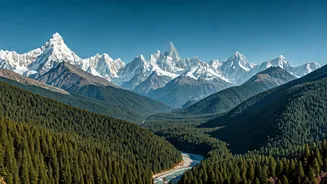
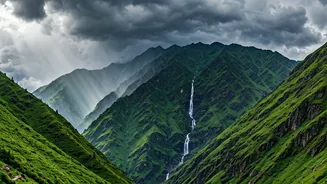


Unprecedented Accessibility: The Journey Is Part of the Dream
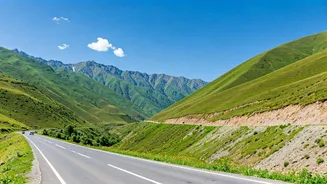
Getting to the mountains has never been easier, transforming once-remote destinations into accessible getaways. Major infrastructure projects, like the nearing completion of the Zojila tunnel, are set to provide all-weather connectivity to strategic and
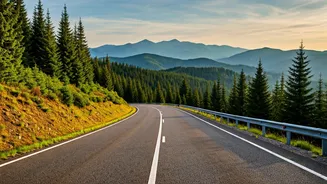
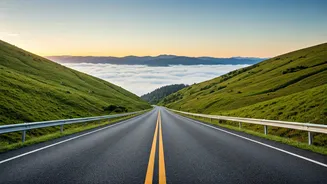
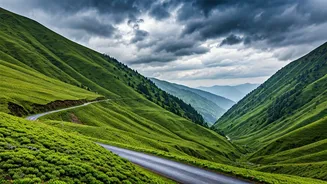
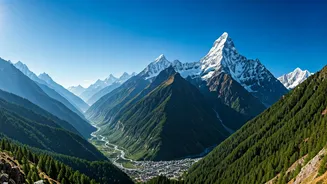
scenic areas like Ladakh, drastically cutting travel time. [13] This game-changing access is expected to significantly boost tourist arrivals by making travel safer and more convenient. [13] Similarly, the Himachal Pradesh government is focused on developing a network of heliports, tunnels, and ropeways to improve connectivity and encourage longer stays. [30] The expansion of Kangra airport and projects like the Bhubhu-Jot tunnel will open up regions like Kullu, Manali, and Lahaul-Spiti like never before. [30] This infrastructure push means less time spent on treacherous roads and more time soaking in the Himalayan vistas.
The 'Workation' Revolution: An Office with a View
The rise of flexible work has permanently changed how and where people work, and the mountains have become the new corner office. [9] Professionals are swapping cityscapes for snow-capped peaks to escape urban burnout and find a better work-life balance. [4, 7] A recent survey found that a third of travellers prefer working from natural settings. [4] This trend has spurred a 70% increase in long-stay bookings in hill towns like Manali and Rishikesh. [9] Hostels and homestays have adapted, now offering reliable Wi-Fi, comfortable workspaces, and a quiet environment, catering directly to this new tribe of digital nomads. [5] Towns like Kasol and Dharamshala have become vibrant hubs for remote workers, offering a blend of productivity, affordability, and a strong community vibe. [5]
A New Wave of Adventure: Beyond the Beaten Path
While trekking has always been a staple, adventure tourism in North India is diversifying. Travellers are increasingly seeking immersive outdoor experiences. [16] According to booking platform Agoda, searches for mountain destinations like Leh, Kasol, and McLeod Ganj have surged dramatically, with Leh seeing a 143% increase. [16] The demand is for more than just a destination; it's for access to activities like trekking, paragliding, rock climbing, and skiing. [25, 28] States are actively promoting these activities, with Himachal Pradesh developing new trekking routes and promoting water sports like jet-skiing in its reservoirs for the first time. [11, 33] Destinations like Bir Billing for paragliding and Auli for skiing are drawing adventure enthusiasts from across the country and the world. [25]
The Quest for Wellness: Healing in the Himalayas
The mountains are also becoming a sanctuary for those seeking mental and spiritual rejuvenation. The region has seen a boom in wellness retreats focusing on yoga, meditation, Ayurveda, and digital detoxes. [11, 12] Rishikesh, long known as the 'Yoga Capital of the World', is at the heart of this trend, with numerous centres offering everything from short rejuvenation programs to intensive teacher training courses. [10, 27] Luxury wellness centres like Ananda in the Himalayas and Six Senses Vana offer curated experiences combining traditional Ayurvedic therapies with serene, natural surroundings. [27, 29] This focus on holistic well-being caters to a growing desire among travellers to disconnect from a stressful world and reconnect with themselves in a peaceful environment. [5]
Discovering Offbeat Havens: The Charm of the Unseen
As popular destinations like Shimla and Manali face overcrowding, a new generation of travellers is venturing into lesser-known territories. [17, 22] This has led to the rise of offbeat hotspots in Himachal Pradesh and Uttarakhand that offer pristine landscapes and authentic local experiences. [17] Places like Jibhi, Tirthan Valley, Barot Valley in Himachal, and Chopta and Munsiyari in Uttarakhand are gaining popularity among those looking to escape the crowds. [14, 17, 23] These destinations provide a chance for slow travel, allowing visitors to engage with local communities through homestays, explore untouched forests, and enjoy the quietude of the mountains, far from commercialised tourism. [8, 17]