

Embrace the 'Shoulder Season' Advantage
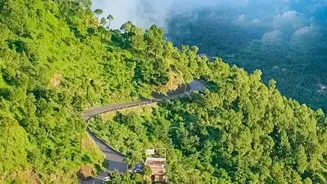
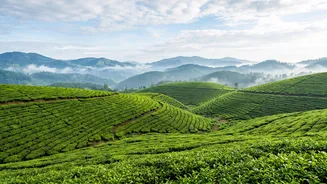
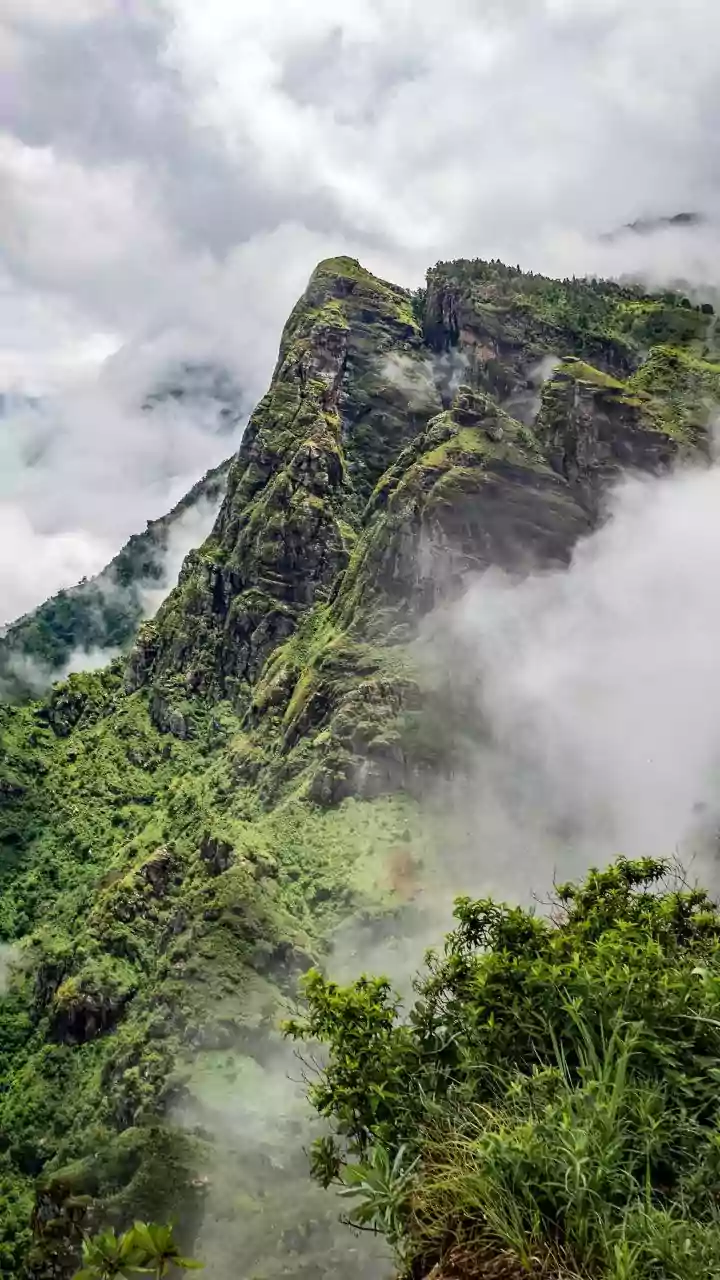
September is an underrated gem for mountain travel in India. It’s a ‘shoulder season’ nestled between the peak monsoon and the busy post-Diwali tourist rush. The benefits are compelling: the landscapes are exceptionally green and rejuvenated after the rains,
waterfalls are in their full glory, and popular spots are significantly less crowded. As the monsoon recedes, you get the perfect mix of pleasant temperatures and cleaner air. This period allows for a more peaceful experience, often at lower prices for flights and hotels, as it's technically still the 'off-season' for many destinations.
Choose Your Destination Wisely
Not all hill stations are equal in September. Your choice of destination is crucial. Regions in a 'rain shadow,' like Spiti Valley and Ladakh, are excellent bets as they receive minimal rainfall and the roads are generally clear and accessible. In other parts of the Himalayas, such as Himachal Pradesh and Uttarakhand, it's wise to choose popular, well-connected towns like Shimla or Manali, where the monsoon is typically retreating, leaving behind lush scenery. In the Western Ghats, destinations like Coorg, Munnar, or Ooty are stunningly green but can still receive occasional showers, making them ideal for those who don't mind a bit of rain. It's always best to check recent weather advisories and road conditions, as landslide-prone areas require extra caution.
Prioritise Flexible Bookings
Flexibility is your best friend when planning a September trip. When booking flights and accommodations, look for options that allow for changes or cancellations without hefty penalties. Many airlines and booking portals offer 'flexi fares' that might cost slightly more upfront but can save you from losing money if a sudden downpour or landslide forces a change of plans. Don't lock yourself into a rigid, prepaid itinerary. Instead, book the first and last nights' accommodation and leave the days in between open, or choose hotels that allow for last-minute booking. This strategy allows you to adapt your plans based on the most current weather conditions on the ground.
Pack for Both Sun and Showers
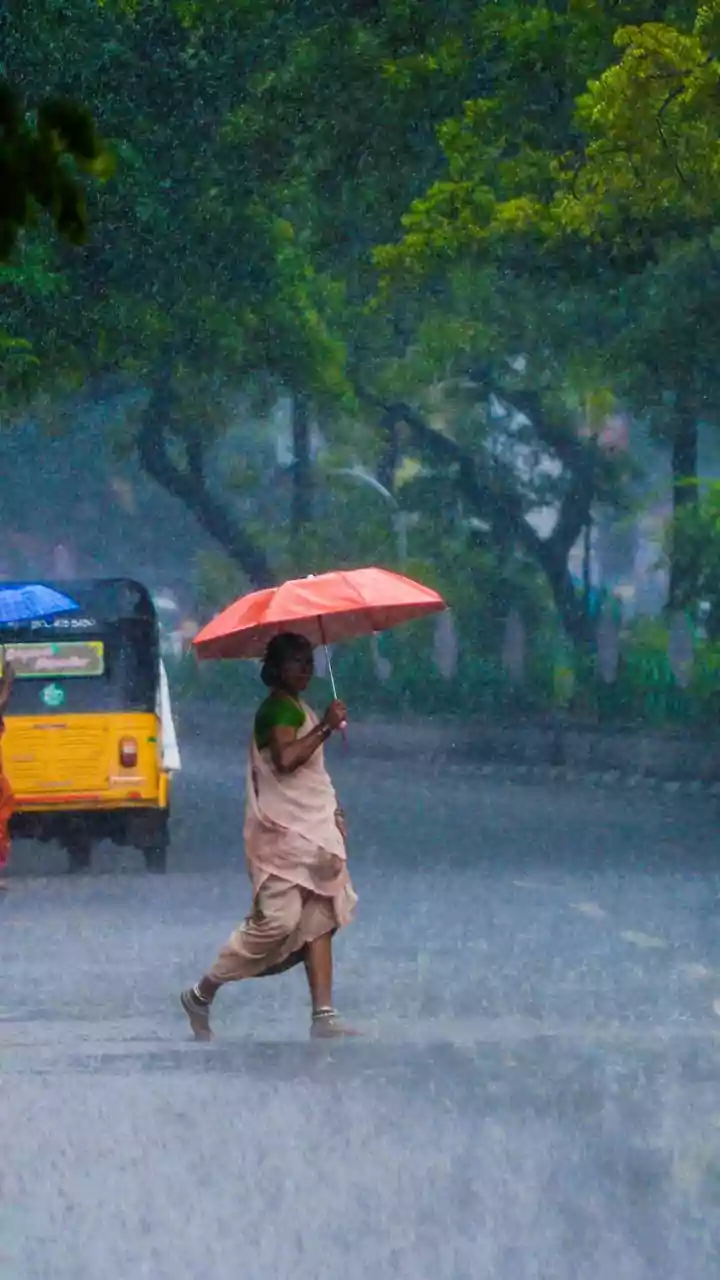
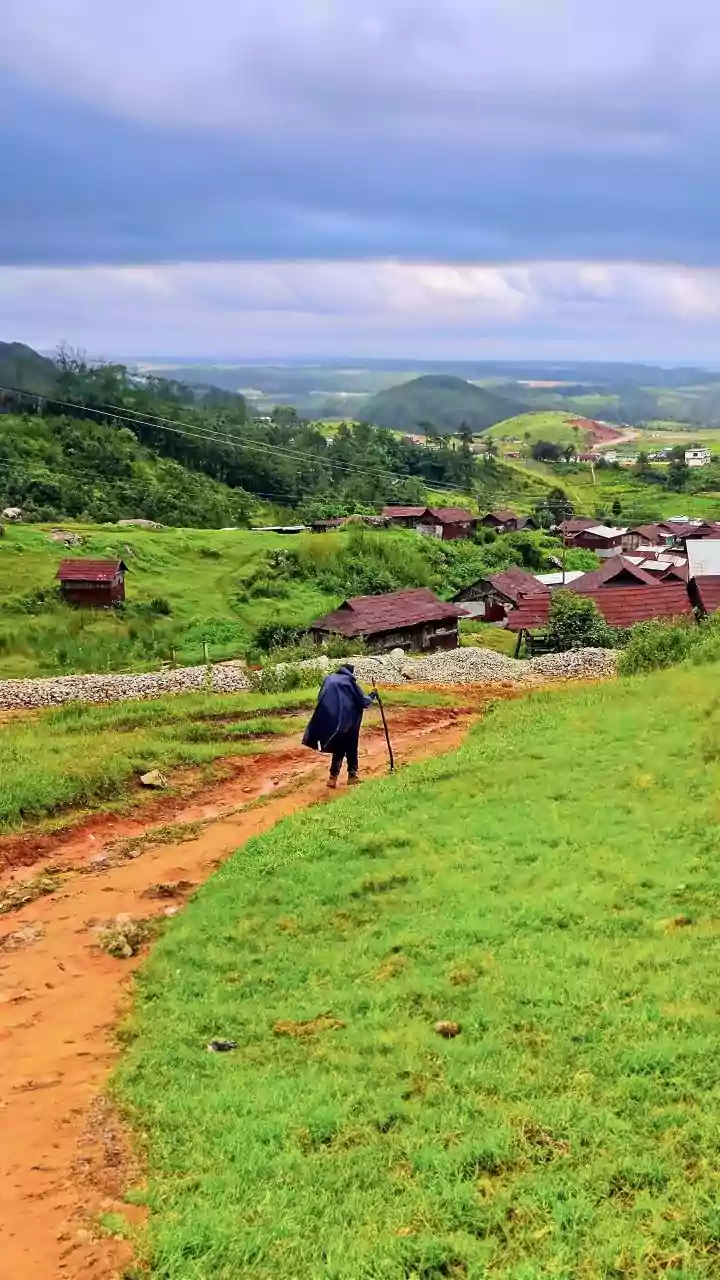
Packing correctly is essential for a comfortable monsoon-end trip. The key is to prepare for a mix of conditions. Your packing list should include a reliable waterproof jacket or poncho rather than an umbrella, which can be useless in windy conditions. Opt for quick-drying clothes and avoid heavy fabrics like denim. Multiple layers are smart, as temperatures in the hills can swing significantly from day to night. Sturdy footwear with good grip is non-negotiable for navigating wet and potentially slippery trails. Also, keep your electronics, documents, and medicines in waterproof bags or pouches to protect them from dampness.
Mastering the Monsoon Drive
If you're planning a road trip, vehicle preparedness is paramount. Before you leave, get your car serviced, paying special attention to tyres, brakes, and wipers. Tyres should have adequate tread (ideally over 3mm) to prevent skidding on wet roads. On the road, drive slower than you normally would, as braking distances increase on wet surfaces. Avoid sudden acceleration or braking. Be extremely cautious in areas known for landslides and never attempt to cross flooded roads where you can't see the bottom. It’s often safer to stick to major highways and travel during daylight hours for better visibility.
Build a 'Buffer' Itinerary
A rigid, minute-by-minute itinerary is a recipe for stress during this season. Instead, build a plan with 'buffer days'. These are free days with no fixed activities, giving you the flexibility to wait out a day of heavy rain or take a detour if a road is blocked. Have a list of indoor or alternative activities for your chosen destination. This could be exploring local cafes, visiting a museum, or simply enjoying the misty views from your hotel balcony. This approach ensures that a day of bad weather becomes a moment of relaxation rather than a ruined plan.