


The Allure of a Green Monsoon
While many travellers shy away from the mountains during the rains, the monsoon season holds a unique magic, especially in offbeat destinations. Unlike commercialised hill stations, quieter valleys like Tirthan come alive with a special vibrancy. The
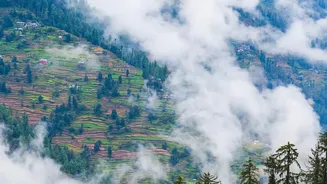
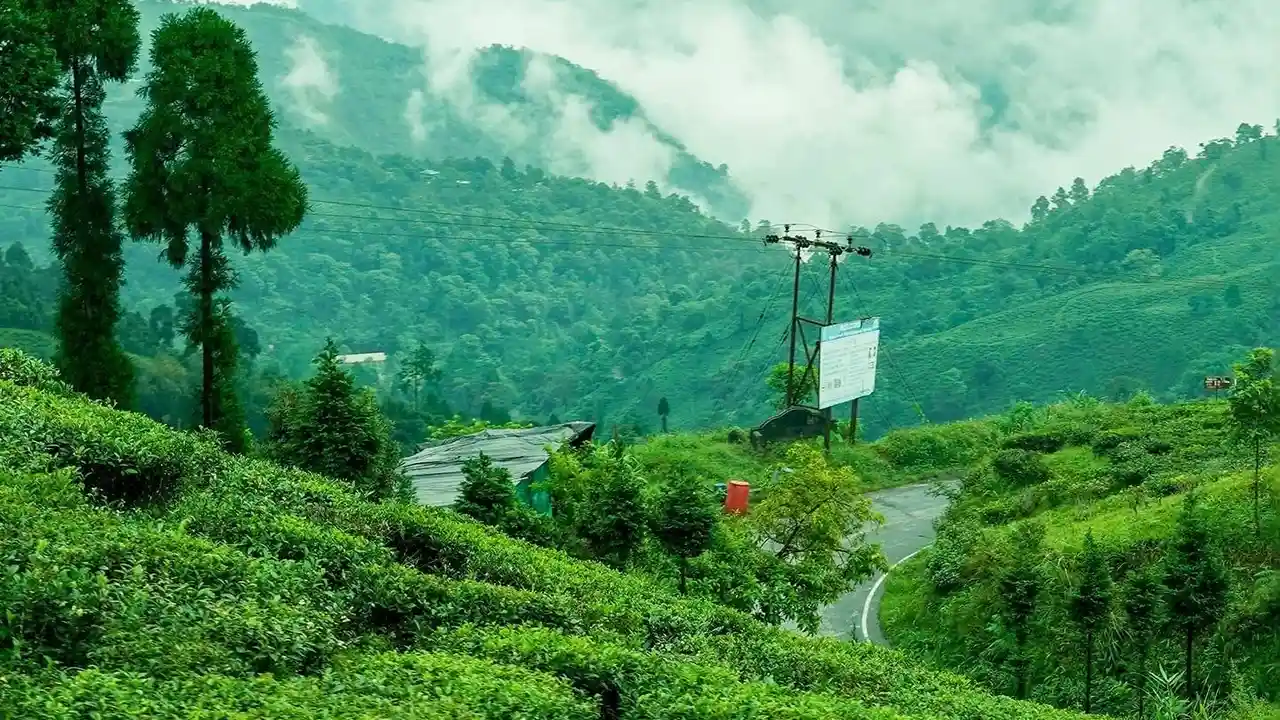
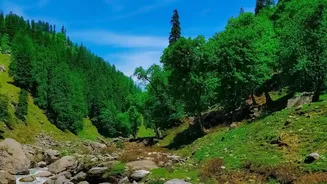
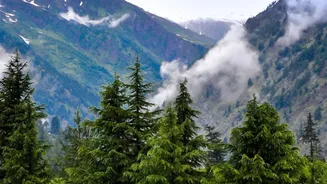
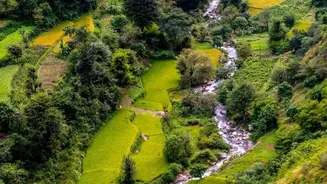
forests become denser and more fragrant, waterfalls cascade with renewed power, and a gentle mist blankets the landscape, creating a cinematic, peaceful atmosphere. It's a time when nature is at its most raw and beautiful, offering a refreshing break from city life for those willing to embrace the rain. The entire region turns a brilliant shade of green, rivers swell, and the air smells clean and crisp. Choosing a less-travelled path means experiencing this transformation without the usual tourist rush, making it a truly personal and serene retreat.
Tirthan Valley: A Riverside Haven
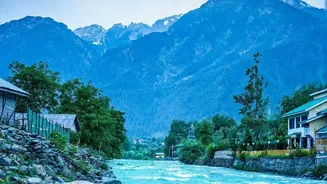
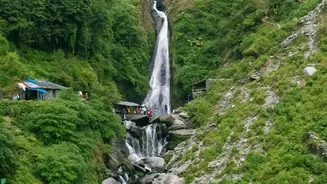
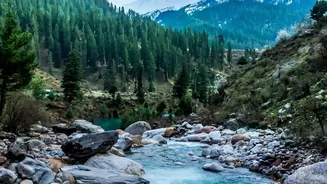
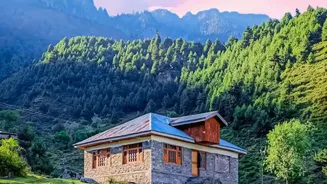
Named after the pristine Tirthan River, this valley is a designated eco-zone and gateway to the Great Himalayan National Park, a UNESCO World Heritage Site. During the monsoon, the river flows with vigour, and the surrounding forests are teeming with life. The valley is dotted with charming hamlets like Gushaini and Nagini, where traditional wooden homestays offer warm hospitality. Days here can be spent on gentle riverside walks, trying your hand at trout fishing (permits required), or hiking to nearby treasures like the beautiful Choie Waterfall, which becomes particularly spectacular after the rains. It’s an ideal setting for travellers who want to slow down, connect with nature, and enjoy simple pleasures like reading a book on a balcony overlooking the gushing river.
Shoja: The Quiet Hamlet in the Clouds
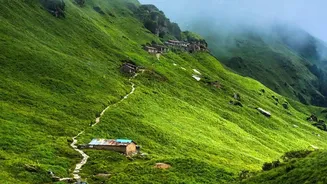
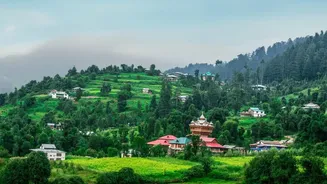
A short, scenic drive up from the neighbouring village of Jibhi, Shoja is a tiny hamlet that promises unparalleled peace. Sitting at a higher altitude of roughly 2,700 metres, it is enveloped by dense deodar and pine forests. The monsoon cloaks Shoja in a perpetual mist, making it feel like a secret hideaway. Life here moves at a slower rhythm; the main activity is simply being present. You can spend your mornings watching clouds drift through the valleys, wander along quiet forest paths, or enjoy a hot cup of tea at a small, cosy cafe. For the more adventurous, Shoja serves as the base for the Jalori Pass, located just a few kilometres away. From the pass, treks lead to Serolsar Lake and Raghupur Fort, though it's crucial to check trail conditions, as they can be slippery and challenging during the monsoon.
Travel and Safety in the Monsoon
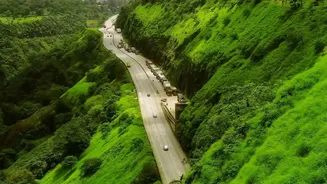
A monsoon trip to the Himalayas requires planning and caution. The roads, particularly the stretch between Mandi and Aut, are prone to landslides during heavy rainfall. It is essential to check the weather forecast and road conditions before and during your journey. Opt for a sturdy vehicle and an experienced driver. Pack waterproof jackets, quick-drying clothes, and trekking shoes with a good grip. While in the valley, avoid getting too close to fast-flowing rivers and streams, as water levels can rise unexpectedly. It's also wise to book your accommodation in advance, preferably in homestays situated on higher ground rather than directly on the riverbank, and confirm they have power backup. Traveling with buffer days in your itinerary can help accommodate any weather-related delays, ensuring a safe and stress-free experience.