




The Digital Danger Zone for Travellers
As booking flights and hotels moves almost entirely online, cybercriminals have created a sophisticated playground for deception. They target travellers precisely when their guard is down: during the excited, often rushed, hunt for the best holiday deals.
According to cybersecurity experts at Kaspersky, these threats are no longer just simple scams; they are elaborate schemes designed to steal your money and personal data before you even receive a confirmation email. Scammers exploit the urgency and trust associated with well-known travel brands, creating fraudulent websites and payment pages that look nearly identical to the real thing. This makes tourists attractive targets, as they are often focused on discovering new places, not on scrutinising URLs.
Anatomy of the Modern Travel Scam
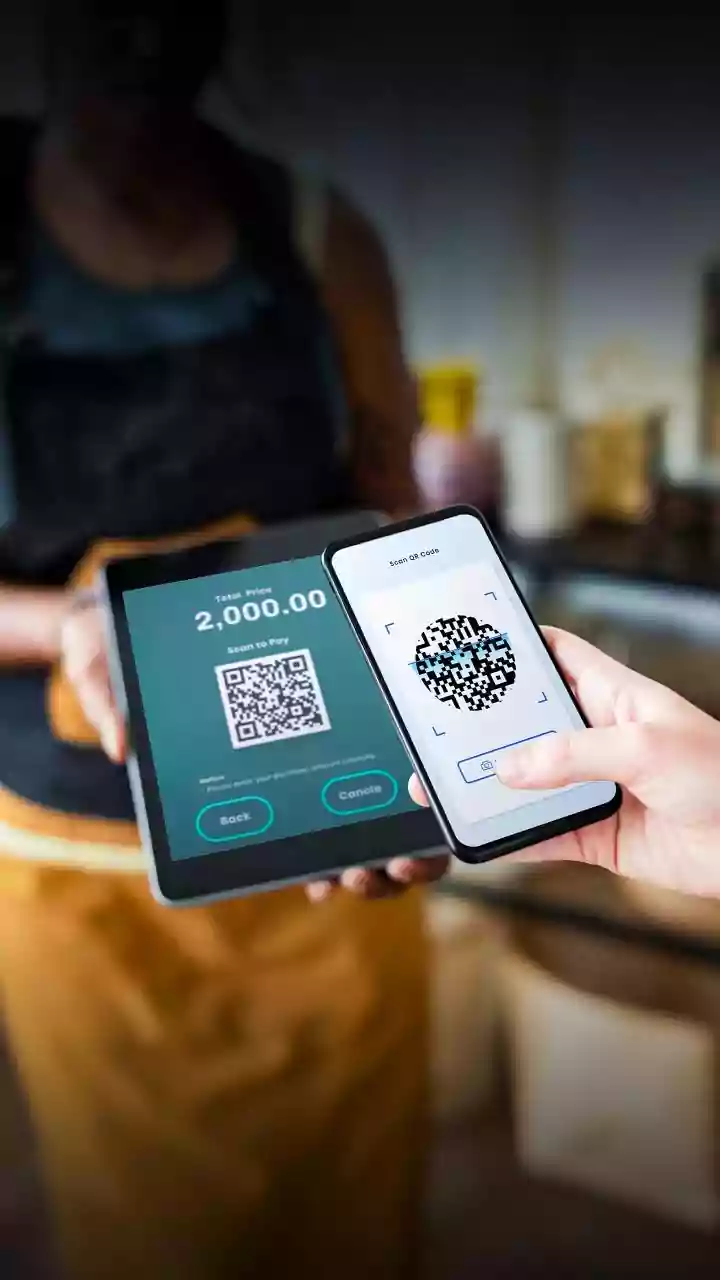
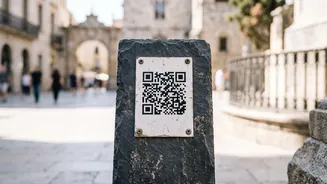
Kaspersky's research highlights several common tactics. The most prevalent is the use of phishing websites that mimic legitimate airlines and booking platforms. Scammers lure you in with emails or social media ads promoting deals that seem too good to be true, leading you to a site that looks authentic but is designed to harvest your credit card details and personal information. Another increasingly common threat involves fraudulent QR codes, especially in destinations popular with Indian tourists. Scammers may place a fake QR code over a merchant's legitimate one, redirecting your payment directly into their own account. Other schemes include fake compensation claims or messages that create a false sense of urgency, pressuring you to 'verify' payment details on a malicious link.
Your Pre-Booking Defence Strategy
Vigilance is your best defence. Before you even think about entering payment details, adopt a critical mindset. Always book directly through official websites or trusted apps. Avoid clicking on links in unsolicited emails or messages. Instead, type the website address directly into your browser. Scrutinise the URL to ensure it starts with 'https' and has the correct spelling, as scammers often use lookalike domains with subtle changes. Be deeply suspicious of any offer that is significantly cheaper than what is available on other reputable platforms. If a five-star hotel is offered at a one-star price, it is almost certainly a scam designed to make you act without thinking.
Secure Steps for Making the Payment
The final payment step is where many travellers get caught. Never make payments or provide card details over WhatsApp or in response to an email. Legitimate companies will process payments through their secure, official platforms. When booking, it is wiser to use a credit card rather than a debit card, as credit cards typically offer stronger fraud protection. For an extra layer of security, consider using a virtual credit card, which creates a temporary number for a single transaction. It is also crucial to avoid making bookings while connected to public Wi_Fi networks, which are often unsecured. Use your mobile data or a trusted VPN service to encrypt your connection and protect your financial data from interception.
Post_Booking and On_Trip Vigilance
Your diligence shouldn't end after you click 'pay'. Enable transaction notifications from your bank to immediately spot any unauthorised charges. Be cautious of emails or messages that appear to be from your hotel or booking site asking you to update your payment information due to an 'error'. If you receive such a request, contact the hotel or booking platform directly using the official contact information from their website to verify its legitimacy. These scams often rely on hacking a hotel's real booking system to get your personal details, making the fraudulent message appear highly convincing. A quick verification call can save you from significant financial loss and holiday heartbreak.