








The Great Indian Diet Shift
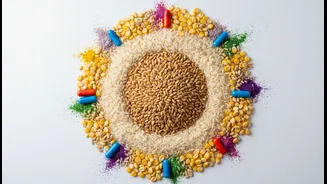
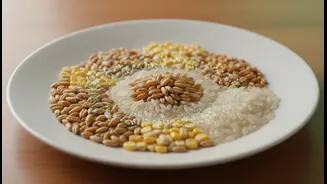
Across India, the traditional thali is undergoing a profound transformation. Lifestyles are changing, urbanisation is accelerating, and incomes are rising, all contributing to a shift in the nation's food basket. There is a discernible move away from
staple food grains towards a diet that includes more processed items, fats, sugars, and animal products. While this diversification can be positive, it also brings significant challenges. The increased availability and consumption of calorie-dense, nutrient-poor foods are steering the country towards a complex public health crisis. This isn't just about individual choices; it's a systemic change reflecting broader economic and social currents that are reshaping what millions of Indians eat every day.
The Limits of Awareness
In response to these dietary shifts, government initiatives like the 'Eat Right India' movement have focused heavily on generating consumer awareness. These campaigns aim to educate the public on the importance of safe, healthy, and sustainable food, encouraging a reduction in salt, sugar, and unhealthy fats. Such efforts are commendable and necessary. They empower consumers with knowledge and have achieved notable successes in training food handlers and certifying food hubs. However, awareness alone is a blunt instrument when faced with the hard economic realities of household budgets. Telling someone to eat more fruits and vegetables is of little use if they cannot afford them. This is the fundamental gap in the current policy approach: it presumes that knowledge is the primary barrier, when for many, the obstacle is financial.
The Affordability Hurdle
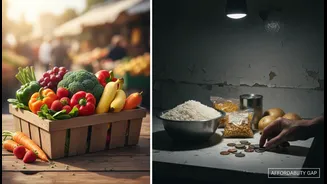
The core of the issue lies in the unaffordability of a truly healthy diet for a vast portion of the population. Studies have repeatedly shown that nutritious foods like fruits, vegetables, pulses, and dairy are significantly more expensive than calorie-dense staples and processed options. According to a 2024 UN report, over half of India's population—55.6%—cannot afford a healthy diet. Another study noted that a recommended nutritious diet could cost between 50-60% of a male labourer's daily wage and a staggering 70-80% for a female labourer. When faced with high food prices and limited income, families are often forced to prioritise caloric intake over nutritional quality, leading to diets dominated by cheaper cereals and fats. This economic pressure makes unhealthy food choices not a matter of ignorance, but of necessity.
A Nation's Double Burden
This affordability crisis is a key driver of India's 'double burden of malnutrition'—the alarming coexistence of undernutrition (stunting, wasting) and overnutrition (obesity, diabetes, heart disease). A person can consume excess calories from cheap, processed foods and still suffer from deficiencies in essential micronutrients, a condition known as hidden hunger. This paradox is seen across the country, where a stunted child and an overweight adult can exist within the same family, both victims of a broken food environment. This dual crisis places an immense strain on the healthcare system and threatens to undermine the nation's demographic dividend by creating a workforce plagued by non-communicable diseases. Current policies, often still skewed towards tackling only undernutrition, are struggling to cope with this new reality.
Forging an Integrated Path Forward
To build a healthier India, policy must evolve from being merely informative to being genuinely enabling. This requires a multi-pronged strategy that directly tackles the affordability of nutritious food. One powerful tool is fiscal policy, such as subsidising fruits, vegetables, and pulses while considering higher taxes on unhealthy, ultra-processed foods high in sugar and salt. Another crucial step is to enhance and diversify the Public Distribution System (PDS). While the PDS has been vital for food security by providing subsidised grains, its expansion to include more nutritious items like millets, pulses, and fortified foods could significantly improve dietary quality. Supporting agricultural diversification to increase the production of nutrient-dense crops can also help stabilise their prices. Ultimately, policy responses must be integrated, combining awareness campaigns with robust economic support that puts healthy food within everyone's reach.