







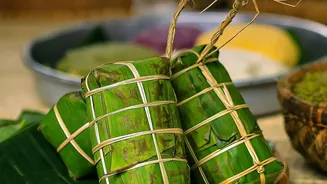
A Return to Mindful Gatherings
In India's bustling cities, festive celebrations often come with a hidden cost: mountains of single-use plastic and thermocol waste. However, a growing number of young, environmentally-conscious hosts are pushing back, not with new technology, but by
embracing age-old traditions. This movement is about more than just reducing waste; it's a conscious choice to connect with culture, prioritise health, and celebrate in a way that respects the environment. This shift reflects a broader trend among urban youth who are blending traditional practices with modern sensibilities, redefining consumption to be more mindful and responsible. By choosing sustainable alternatives, they are proving that hospitality and sustainability can go hand-in-hand, creating gatherings that are memorable for their warmth and their gentle impact on the planet.
The Humble Banana Leaf's Comeback
At the heart of this trend is the banana leaf, a traditional serving platter that is making a major comeback. Beyond its rustic charm, the banana leaf is a powerhouse of sustainability. It is completely biodegradable, breaking down naturally within months and enriching the soil. Unlike plastic or styrofoam plates that linger in landfills for centuries, a banana leaf returns to the earth, leaving no trace. There are also subtle health and sensory benefits. The waxy coating on the leaf is waterproof and imparts a faint, earthy aroma when hot food is placed on it, enhancing the flavour of the meal. The leaves also contain natural antioxidants, like polyphenols (similar to those in green tea), some of which can be absorbed by the food. This choice is a perfect fusion of cultural heritage and eco-friendly living.
How to Prepare Banana Leaves
Using banana leaves is simple, but a little preparation ensures they are perfect for serving. If you have access to fresh leaves, simply cut them into the desired size for plates. Whether fresh or frozen (which are widely available in markets), the leaves need to be cleaned. Wipe them down with a damp cloth or rinse them under running water and pat them dry. To make the leaves more pliable and prevent them from tearing, they can be softened by quickly running them over a low flame or warming them in an oven for a few minutes. This process also deepens their green colour and enhances their natural aroma. Be careful, as they are delicate and can tear easily, especially when wet. This small effort results in a beautiful, natural, and clean eating surface for your guests.
Sourcing a Conscious Menu
A sustainable feast goes beyond the plate. The other key element is the food itself. Young hosts are increasingly prioritising locally sourced, seasonal, and organic produce. This approach supports small-scale farmers, reduces the carbon footprint associated with transporting food over long distances, and ensures that the ingredients are fresh and free from harmful pesticides. Across India, organic farmers' markets and community-supported agriculture (CSA) initiatives are making it easier to connect directly with growers. Planning a menu around what's in season not only guarantees better flavour but also aligns with the principles of mindful consumption. By choosing millets, local vegetables, and regional specialities, these hosts are also helping to preserve agricultural biodiversity and celebrate India's rich culinary heritage.
More Than Just a Meal
Hosting a sustainable feast is ultimately about creating a deeper and more meaningful experience. It’s a powerful statement against the 'take-make-dispose' culture. Using banana leaves, sourcing local food, and opting for natural decorations like marigold strings and earthen diyas spark conversations among guests about tradition and sustainability. It encourages a slower, more mindful way of eating and connecting with one another. These gatherings are not just about what is served, but the intention behind it. They represent a celebration of community, a respect for nature, and a quiet confidence in the wisdom of traditions. It’s a form of hospitality that nourishes both the guest and the planet, proving that the most memorable celebrations are often the most simple and conscious ones.