

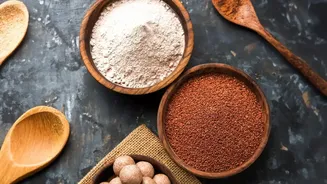

As winter arrives, our bodies crave warmth and nourishment. Traditional Indian wisdom has long pointed to two humble champions for the season: methi and millets. Here’s why these ingredients are the perfect duo for a healthy winter diet.
The Wisdom Of Winter Eating
When the temperature
drops, our bodies shift gears. Metabolism can slow down, and our immune systems often need extra support to fend off seasonal ailments. This is why turning to warming, nutrient-dense foods is crucial. According to Ayurveda, certain foods have a 'heating' effect (Ushna Virya) that helps maintain body temperature and supports a strong digestive fire (Agni). Methi (fenugreek) and specific millets like bajra (pearl millet) are celebrated for these exact properties, making them ideal for the colder months. They provide sustained energy and essential nutrients that our bodies require to thrive when it's cold outside.
Methi: The Bitter Green Powerhouse
Fenugreek, available as fresh leaves (methi) and seeds, is a winter superfood packed with benefits. The slightly bitter leaves are a fantastic source of vitamins A and C, iron, and calcium. These nutrients are vital for boosting immunity and keeping infections at bay. Methi is also rich in soluble fiber, which aids digestion, prevents issues like bloating, and helps regulate blood sugar levels, making it beneficial for individuals with diabetes. Its anti-inflammatory properties can help soothe joint discomfort that often worsens in the cold, while its traditional use as a warming herb makes it perfect for providing comfort during chilly weather.
Millets: The Ancient Grains For Modern Health
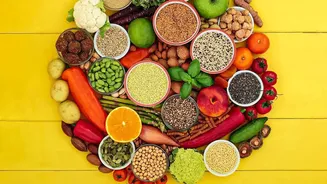
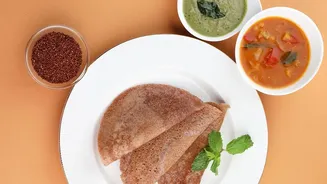
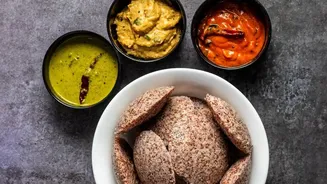
Millets are small-seeded grains that are nutritional powerhouses. Winter is an excellent time to enjoy varieties like bajra (pearl millet), jowar (sorghum), and ragi (finger millet). These grains are naturally warming and are loaded with complex carbohydrates that provide slow-release energy, preventing the lethargy that can set in during winter. Rich in fiber, millets keep you feeling full for longer, which can help manage weight and reduce cravings for unhealthy snacks. They are also packed with essential minerals like magnesium, iron, and zinc, which are crucial for immune function, energy production, and overall vitality. Being gluten-free, they are also gentle on the digestive system.
A Perfect Pairing For Warmth And Wellness
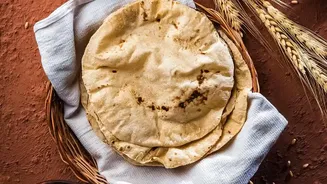
The combination of methi and millets is a nutritional match made in heaven. The fiber from both helps maintain digestive health, which is the cornerstone of a strong immune system. The iron in methi and millets works together to combat fatigue, a common complaint during winter. For example, a traditional bajra roti paired with a methi_based curry is not just a delicious meal; it's a balanced plate that delivers warmth, sustained energy, and a wide spectrum of vitamins and minerals. The complementary flavors and textures make them easy to incorporate into a variety of dishes, from flatbreads and porridges to onepot meals.
Simple Ways To Get Started
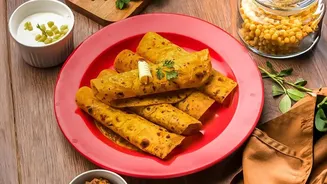
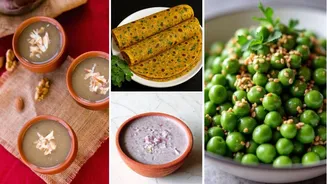
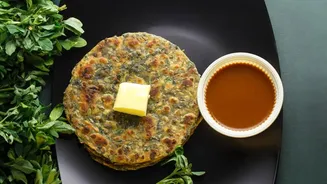
Bringing these two ingredients into your winter kitchen is simple. You can start by making rotis using millet flour like bajra or jowar, and serving them with your favorite dal or sabzi. Finely chopped fresh methi leaves can be added to dal, soups, or kneaded into the dough for theplas and parathas. For a hearty onepot meal, try making a millet khichdi or pulao and tossing in a generous amount of methi leaves. Even a simple millet porridge cooked with ginger and methi can make for a wonderfully warming and energizing breakfast on a cold morning. The key is to start simple and explore the versatility these ingredients offer.