
The Allure of a Monsoon Escape
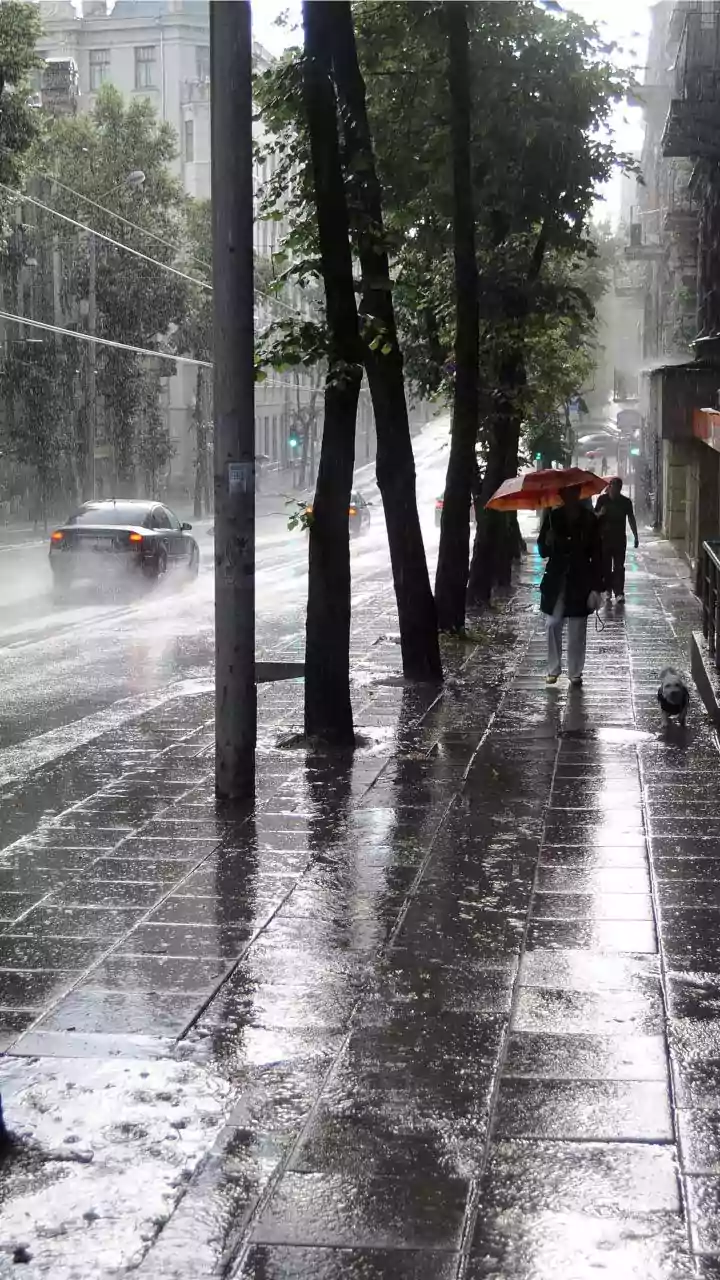
Forget the peak season rush. A monsoon journey into the Himalayas is for a different kind of traveller—one who finds beauty in mist-covered forests, the sound of a rushing river, and the scent of wet earth. July through September, while often marked by
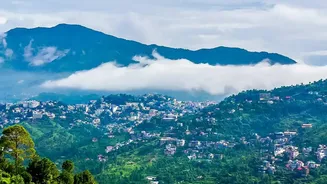
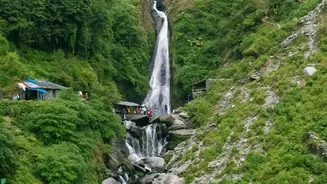
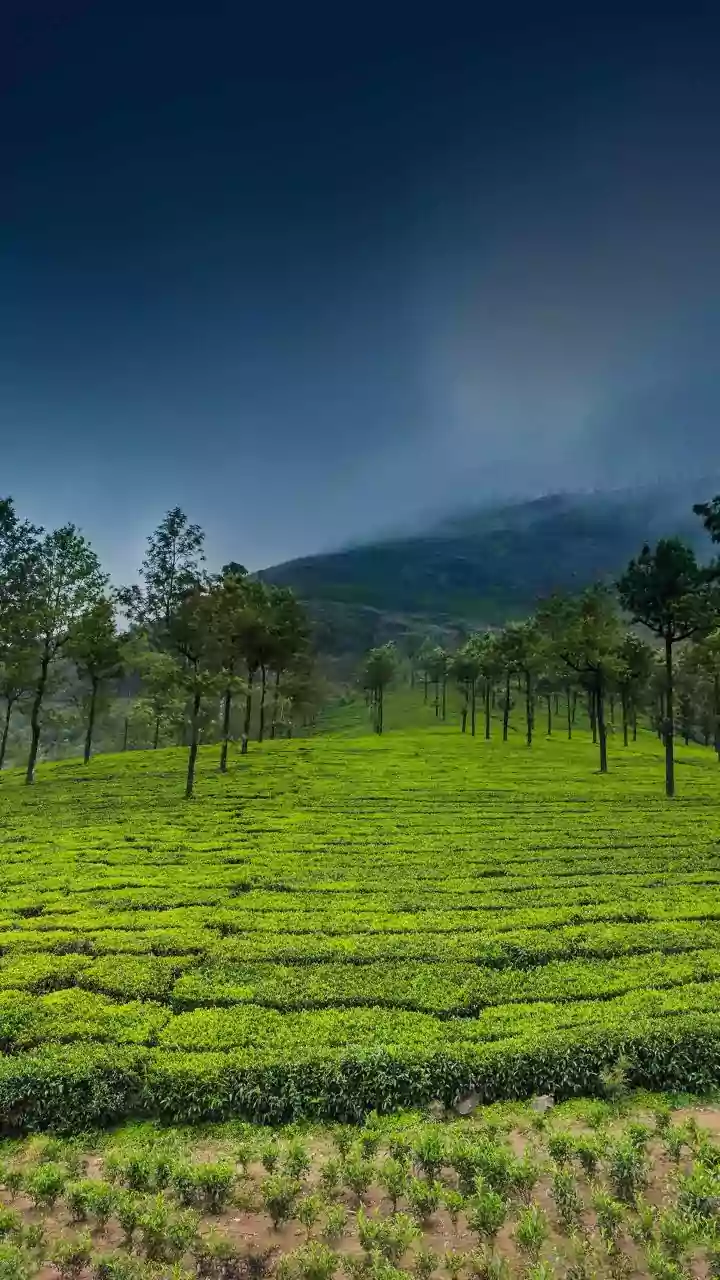
rain, sees the valleys at their most vibrant green. Waterfalls, otherwise modest, become spectacular cascades, and the landscape is washed clean, offering a fresh, crowd-free perspective. It's a time for slowing down, for enjoying a book by a window as clouds drift past, and for experiencing the mountains in their most raw and atmospheric state. Unlike the chaos of mainstream hill stations, offbeat destinations like Tirthan and Shoja offer peace and a genuine connection with nature.
Tirthan Valley: The River's Song
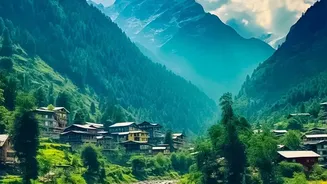
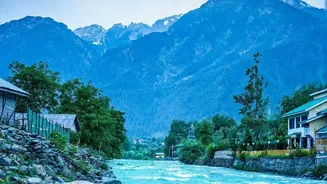
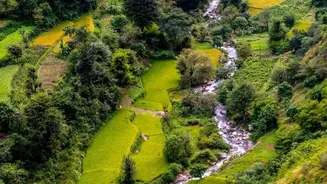
Tirthan Valley, named after the pristine Tirthan River, is a designated eco-zone and the gateway to the Great Himalayan National Park, a UNESCO World Heritage Site. During the monsoon, the river swells, its sound a constant, soothing presence. While the core national park treks are often closed for safety, the buffer zone offers plenty to explore. The valley is dotted with charming wooden homestays and guesthouses, many offering incredible views. Life here moves at a slower pace. Days can be spent on short walks to nearby villages like Gushaini, angling for trout (when conditions permit), or simply relaxing by the riverside, watching the water flow.
Activities in Rain-Kissed Tirthan
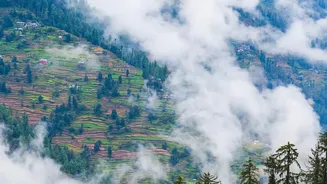
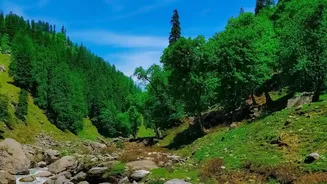
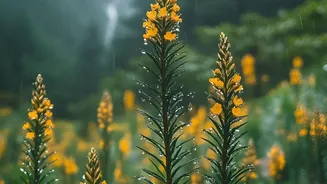
Monsoon travel in Tirthan is about embracing the weather, not fighting it. A popular and safe activity is the short trek to Chhoie Waterfall, which is particularly impressive during this season. Exploring the traditional villages of Gushaini, Sarchi, and Pekhri on foot provides a glimpse into the resilient local life. The air is crisp, the forests are alive with the sounds of insects and birds, and the path is often lined with wildflowers. Long, arduous treks are not advisable due to slippery paths and the risk of landslides, but gentle walks through the terraced fields and deodar forests are both safe and immensely rewarding.
Shoja: A Hamlet Above the Clouds
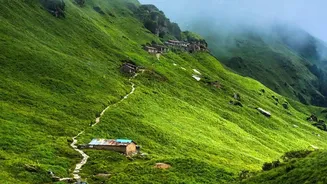
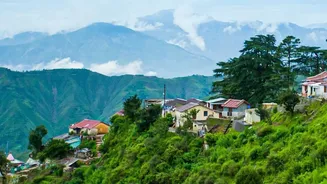
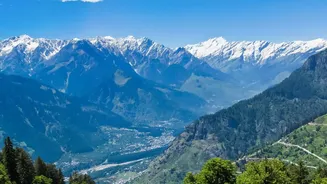
A short, scenic drive up from the Tirthan Valley area, past Jibhi, lies the tranquil hamlet of Shoja. At a higher altitude of over 2,600 metres, Shoja often sits enveloped in mist, giving it a dreamy, ethereal quality. This small village is the perfect retreat for those seeking absolute quiet. It's the kind of place where doing nothing is a celebrated activity. When the clouds part, Shoja offers breathtaking panoramic views of the surrounding peaks and valleys. The deodar and oak forests here are dense and ancient, creating a profoundly peaceful atmosphere perfect for quiet contemplation and digital detox.
Embracing the Slow Life in Shoja
Shoja is the base for reaching the Jalori Pass, situated at about 10,800 feet. However, during the peak monsoon, the pass can be inaccessible due to landslides and poor road conditions. It is crucial to check local conditions before attempting the drive. If the pass is open, a popular and relatively easy 5-kilometer trek leads to Serolsar Lake, a serene high-altitude lake surrounded by thick woods. But even if high-altitude excursions are off the table, Shoja’s charm lies in its stillness. Enjoying home-cooked Himachali meals, reading, and taking short walks through the village between rain showers are the main attractions.
A Practical Guide for the Monsoon Voyager
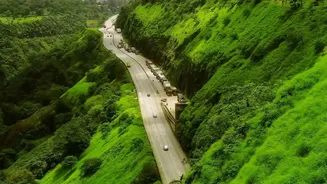
Reaching Tirthan Valley and Shoja typically involves an overnight bus from Delhi to Aut, from where you can hire a taxi. During the monsoon, road conditions can be unpredictable, with risks of landslides on major highways like NH-21. It's wise to add buffer days to your itinerary and check road status before and during your journey. Pack waterproof jackets, quick-drying clothes, and sturdy shoes with good grip. Electricity can be intermittent, so a power bank is essential. Choosing a homestay on higher ground rather than directly on the riverbank is a safer bet during heavy rains. Most importantly, travel with a flexible mindset; the mountains operate on their own schedule, especially in the monsoon.